Nebraska, West Virginia voters pick nominees in key 2026 primaries
Nebraska’s Omaha district and West Virginia’s Republican terrain offered an early read on turnout, candidate quality and whether either party was overreaching.
Voters in Nebraska and West Virginia went to the polls Tuesday in primaries that doubled as an early test of both parties’ strength heading into November. Nebraska chose nominees for U.S. Senate, U.S. House and governor, while West Virginia picked nominees for U.S. Senate and U.S. House, with polls set to close at 6 p.m. local time in Nebraska and 4:30 p.m. in West Virginia.
The Nebraska ballot carried the sharper national edge. Republicans held all three of the state’s congressional seats, along with the U.S. Senate seat and the governor’s office, but the Omaha-based 2nd Congressional District remained the state’s only truly competitive House seat. That district had changed party hands twice over the past two election cycles, making it the clearest place to watch for Democratic energy, Republican turnout and whether either side was over- or under-performing in a state that still leans red overall.
West Virginia offered a different kind of test. All three federal offices on the ballot there were held by Republicans, and the state has long been treated as a Republican stronghold. That meant the real question was not whether the GOP had an advantage, but whether Republicans could translate it into strong primary participation and clean nominations, while any Democratic showing of strength would signal a deeper problem for Republicans than the party usually faces in the state.
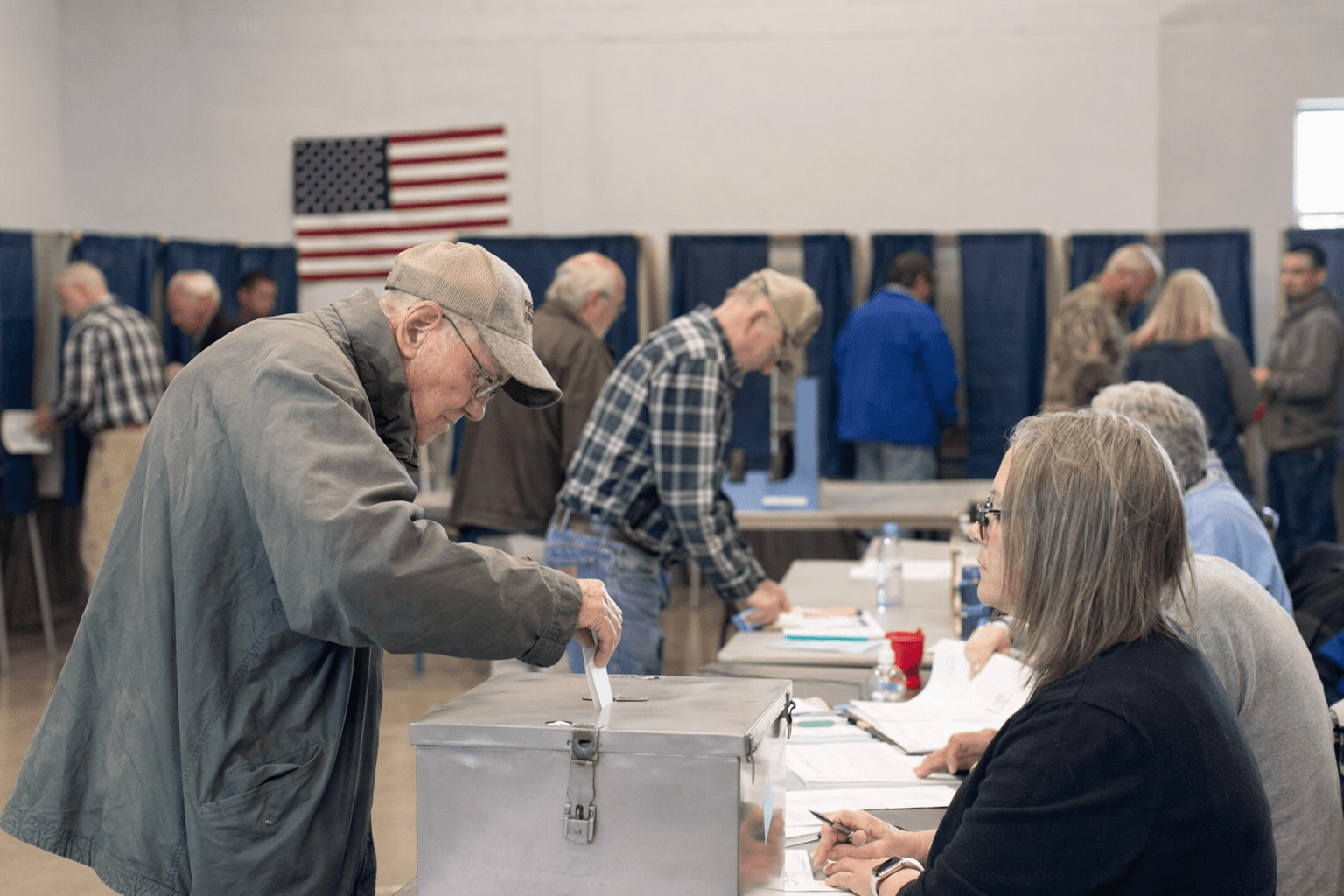
The stakes extended beyond the two states themselves. The broader 2026 midterm cycle will shape the final two years of President Donald Trump’s second term, and the turnover already under way in the U.S. House of Representatives added pressure to every contested race. As of May 11, 57 current House members, 20 Democrats and 37 Republicans, were not expected back next term, underscoring how unsettled the battlefield remained.
Nebraska also carried another political twist: a law approved last year created the nation’s highest bar for independents seeking to qualify for races such as governor and U.S. Senate. That made party nominees even more central to the November map, especially in the Omaha district, where a Democratic win would count as a real surprise and a Republican hold would suggest the GOP was still meeting the state’s toughest test. In West Virginia, the surprise threshold ran in the opposite direction. Any Democratic breakthrough there would be a major warning sign, while a conventional Republican sweep would show the party was still dominating in familiar territory.
This article was produced by Prism’s automated news system from verified source data, official records, and press releases, then run through automated quality and moderation checks before publishing. The system is built and supervised by the people who set the standards it runs under. Read our full AI policy.
Did this article answer your question?

