Hegseth says U.S. ready to escalate Iran blockade into combat operations
Hegseth said U.S. forces can shift from a blockade to "major combat operations" as 13 ships turned back in the Strait of Hormuz.
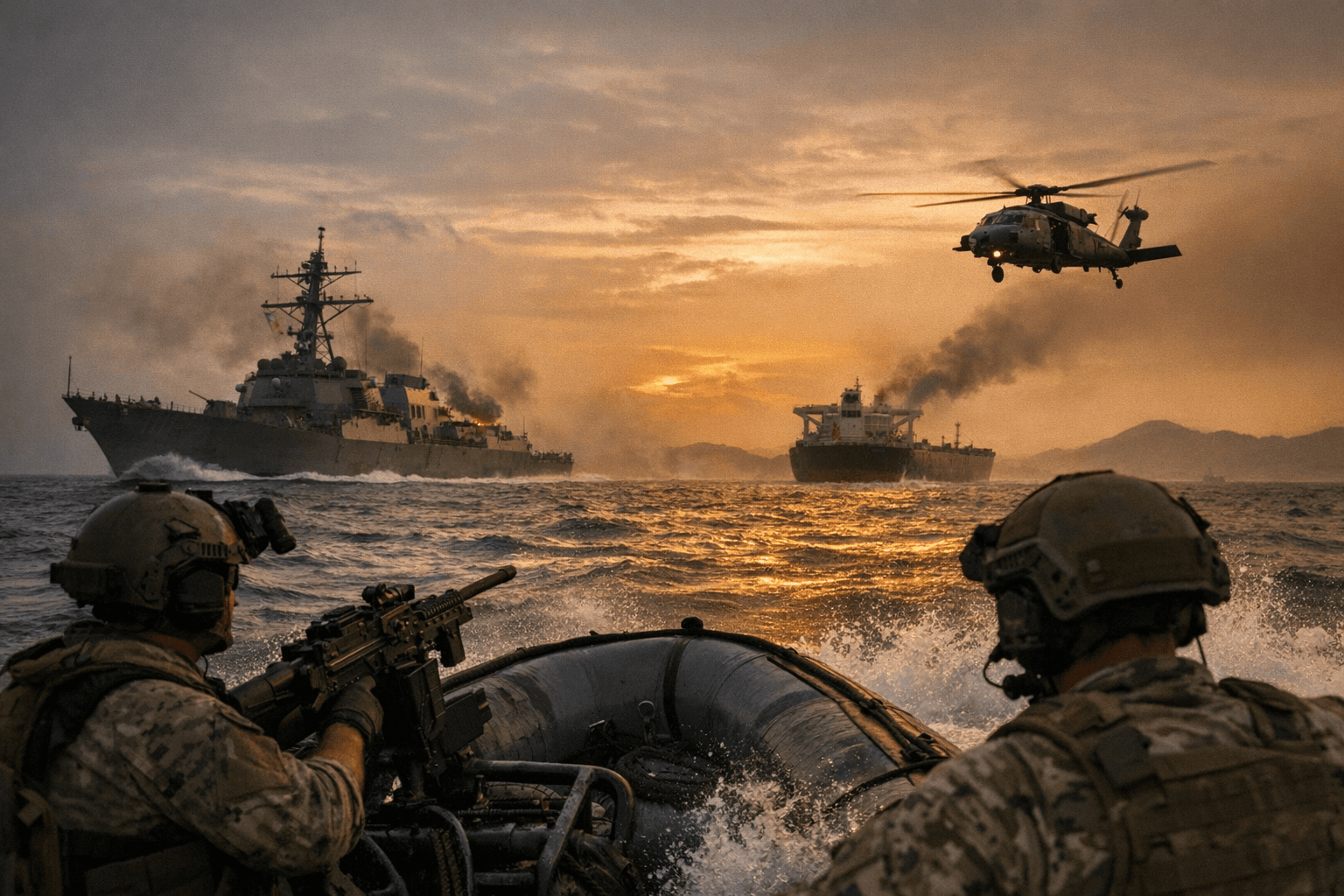
The U.S. military has moved the Iran crisis to a sharper threshold: stop at the blockade or step into combat. Defense Secretary Pete Hegseth said American forces can "make the transition" from maritime enforcement to "major combat operations," while Gen. Dan Caine warned, "If you do not comply with the blockade, we will use force."
That warning matters because the blockade has already become a live test of will in one of the world’s most consequential waterways. Caine said the restriction applies to all ships, regardless of nationality, heading into or out of Iranian ports, and that no vessel had yet needed to be boarded. Thirteen ships had already turned around, a sign that the first phase of enforcement has relied on deterrence rather than direct clashes. The U.S. began enforcing the blockade on Monday, April 13, at 10 a.m. EDT, after talks in Pakistan failed to produce a deal.
The escalation line is clear. At the low end, U.S. forces are stopping traffic and warning ships away from Iranian waters. At the next rung, they would intercept vessels that try to break the cordon. Beyond that lies the shift Hegseth described, from blockade enforcement into broader combat operations, a move that would carry legal, military and political consequences well beyond the Gulf of Oman and the Strait of Hormuz. That chokepoint normally carries about one-fifth of the world’s oil, which is why every move there ripples through global markets.
The economic pressure arrived fast. Oil prices climbed above $100 a barrel after the blockade announcement, underscoring how quickly a maritime standoff can spread into inflation fears and higher fuel costs far from the region. The Strait of Hormuz remains the hinge point for that risk: any disruption threatens not only tanker traffic but also the credibility of the U.S. effort to keep the conflict contained.
Iran’s military called the blockade illegal and described it as piracy, warning that if Iranian ports are threatened, no port in the Gulf or Arabian Sea would be safe. NATO allies declined to join the blockade plan, preferring a later multinational maritime mission after fighting ends, leaving Washington to shoulder the immediate burden. President Donald Trump said talks could resume in Pakistan within days, but the central issue remains Iran’s nuclear program, and the space for diplomacy is narrowing as U.S. forces prepare for the possibility that the blockade could become the opening move in a wider war.
This article was produced by Prism’s automated news system from verified source data, official records, and press releases, then run through automated quality and moderation checks before publishing. The system is built and supervised by the people who set the standards it runs under. Read our full AI policy.
Did this article answer your question?