Hungary’s Orbán Ousted as Tisza Wins Supermajority in Historic Election
Hungary’s highest turnout since communism helped end Viktor Orbán’s 16-year rule, handing Péter Magyar’s Tisza movement a likely supermajority.
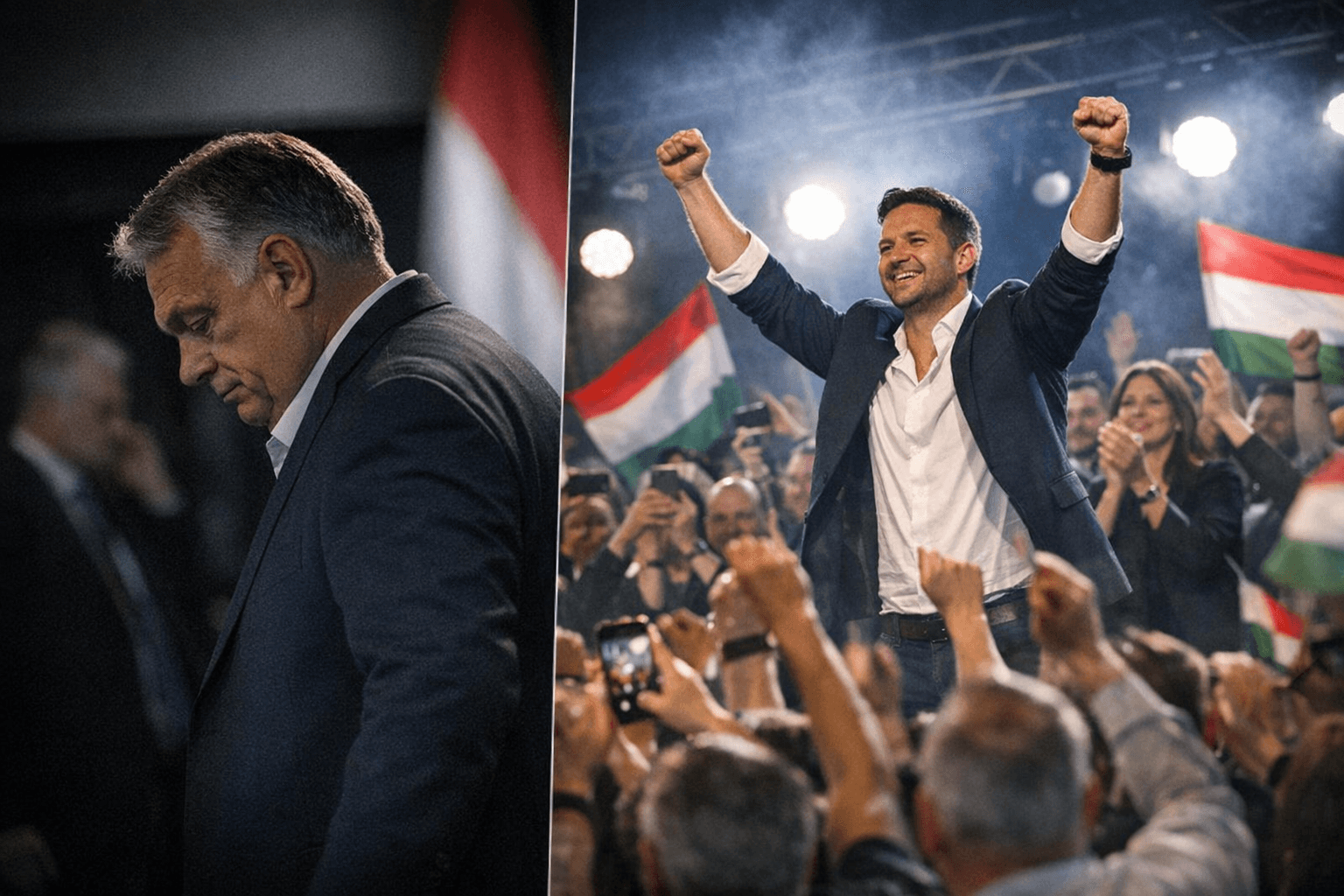
Hungary’s voters delivered a shock that reached far beyond Budapest, sweeping Viktor Orbán from power after 16 years and putting Péter Magyar’s Tisza party on course for a supermajority in the 199-seat parliament. Orbán conceded defeat after the April 12 election, a result that marked one of the sharpest rebukes yet to Europe’s far right.
The scale of Tisza’s victory could give Magyar enough seats to rewrite parts of the system Orbán spent years building. Analysts said the party’s projected haul, enough for constitutional changes, could help unwind Orbán’s grip over the judiciary, media, state institutions and election rules. For Hungary, the vote was not just a change in leadership. It was a potential reversal of a long period of democratic backsliding.
Orbán’s fall came after a campaign in which his government tried to make Ukraine and the European Union the central threats. That warning did not overcome the anger many voters felt over corruption, rising hardship and the fatigue that comes with nearly a decade and a half of concentrated power. Turnout was reported as the highest in Hungary’s democratic history, a sign that the stakes were understood clearly by voters across the country.
The defeat lands as a major setback for Europe’s far right because Orbán had become one of its most influential champions. He also served as a key ally to Donald Trump and Vladimir Putin, making the vote consequential not only in Central Europe but also in Washington, Moscow and among governments watching Hungary’s stance on Ukraine, NATO and sanctions on Russia. His government had offered a blueprint for illiberal, anti-EU politics, and its collapse exposes the political cost of corruption and economic mismanagement.
That is the larger lesson from Hungary. Orbán’s model showed how far a nationalist leader could go by rewriting election rules and centralizing power. But it also showed the limits of that project when voters no longer accept soaring costs, crumbling trust and institutions bent to serve one camp. Péter Magyar now has a mandate large enough to try to restore balance, but whether he can convert a landslide into durable reform will determine whether Hungary becomes a warning for authoritarian movements or a map for their renewal.
This article was produced by Prism’s automated news system from verified source data, official records, and press releases, then run through automated quality and moderation checks before publishing. The system is built and supervised by the people who set the standards it runs under. Read our full AI policy.
Did this article answer your question?


