Hegseth tightens Pentagon control amid Iran war and firing backlash
Pete Hegseth used back-to-back hearings to defend firings, push a $1.5 trillion budget, and assert tighter control over a Pentagon under fire.
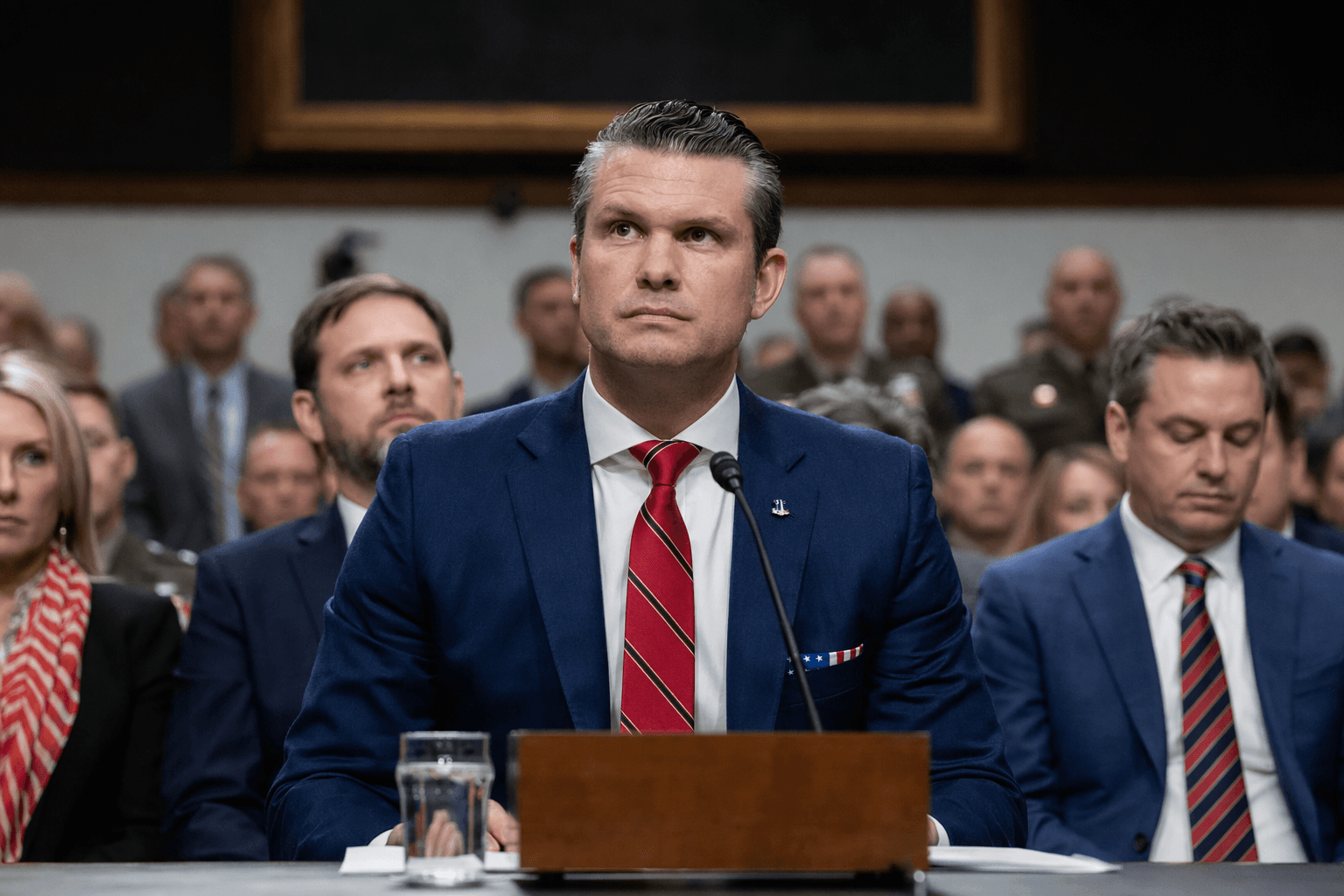
Pete Hegseth is tightening his grip on the Pentagon at the same moment his authority is drawing sharper scrutiny from Capitol Hill, with back-to-back hearings turning into a test of civilian control, chain of command and the stability of military decision-making.
In the House Armed Services Committee on April 29, Hegseth defended the removal of Army Chief of Staff Gen. Randy George and other senior officers while lawmakers pressed him on the war in Iran, the Pentagon’s $1.5 trillion budget request and whether troops could ever be used against Americans at home. The next day, before the Senate Armed Services Committee, he again clashed with Democrats over the same set of issues, including questions about sending troops to polling sites.

The firings have become central to the fight. Senate Republicans are increasingly uneasy with Hegseth’s leadership, and some have privately said he should “move on,” even as the final decision rests with Donald Trump. One anonymous Republican senator said confidence had dropped because of Hegseth’s battles with senior military leaders who have strong Capitol Hill ties. That kind of rupture matters inside the Pentagon, where senior officers rely on trust across commands, committees and service branches to carry out policy without delay or mixed signals.
Hegseth’s posture has hardened at the same time he is asking Congress to underwrite a sweeping reordering of defense spending. The Pentagon’s fiscal 2027 request totals $1.5 trillion and includes $750 billion for Golden Dome missile defense, about $102 billion for aircraft procurement and research and development, nearly $75 billion for drones and counter-drone technologies, and $65 billion to build 18 Navy warships and 16 support ships. The request also seeks funding for 85 F-35s a year, along with next-generation systems such as the B-21 bomber and F-47 fighter.

Democrats are framing the issue as more than budgeting. Sen. Elissa Slotkin said Hegseth came before Congress amid an Iran war with no defined goal or end in sight and after the Pentagon had purged almost two dozen senior military officers. Sen. Jack Reed had already warned in May 2025 that Hegseth’s first 100 days were marked by “sweeping ideological purges,” scandals, and unjustified firings of senior military leaders.
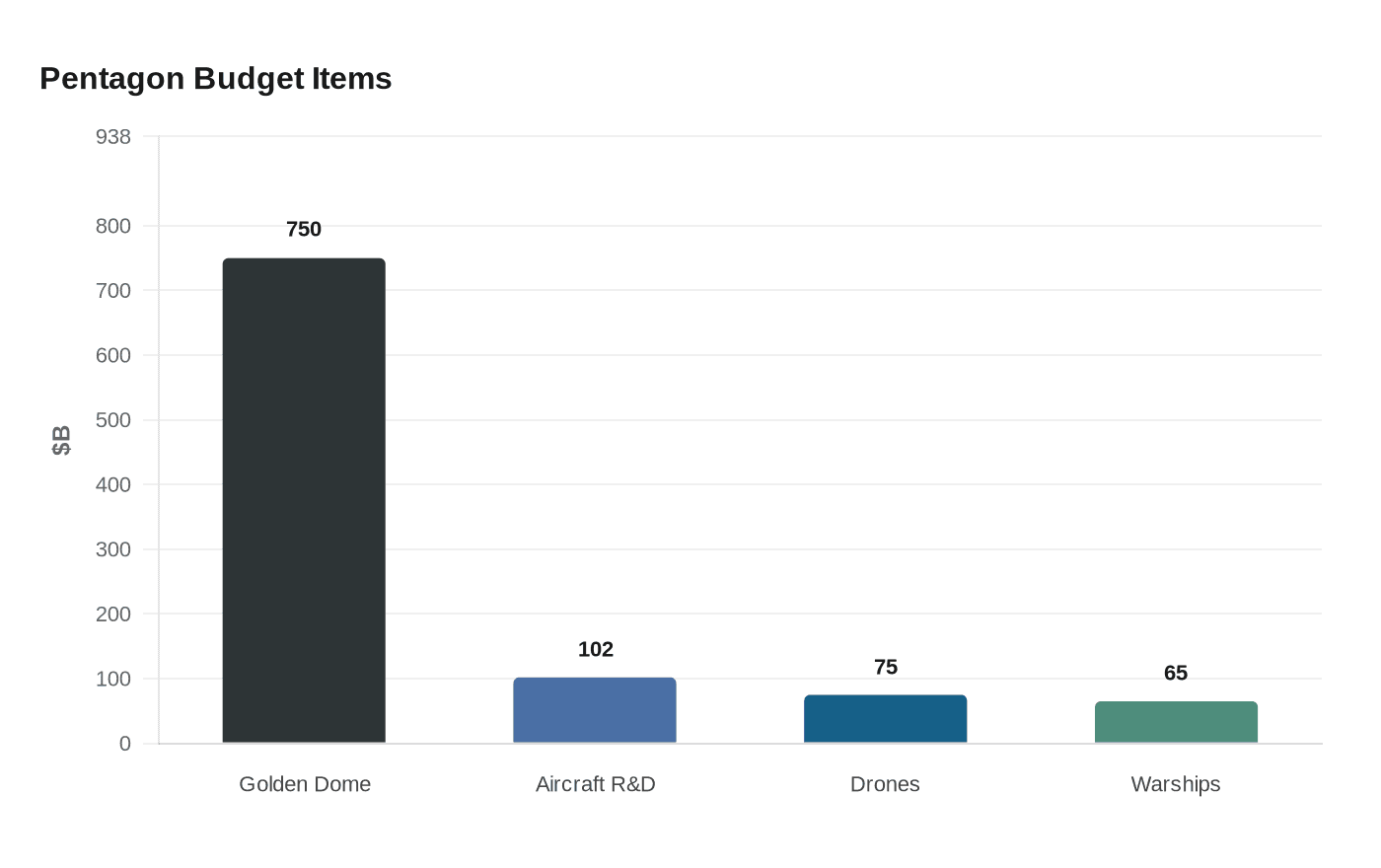
For Hegseth, the immediate effect is unmistakable: authority is being concentrated upward, with fewer senior officers left in place to shape execution and more decisions flowing through his office. For the military, the risk is that policy may now move faster from the top, but with less institutional insulation, less continuity and more political volatility at the center of the chain of command.
This article was produced by Prism’s automated news system from verified source data, official records, and press releases, then run through automated quality and moderation checks before publishing. The system is built and supervised by the people who set the standards it runs under. Read our full AI policy.
Did this article answer your question?

