Helion raises $465 million to speed Microsoft fusion power plant
Helion’s latest $465 million round lifts it to $15.5 billion, but the real test is whether its first plant can send Microsoft power by 2028.

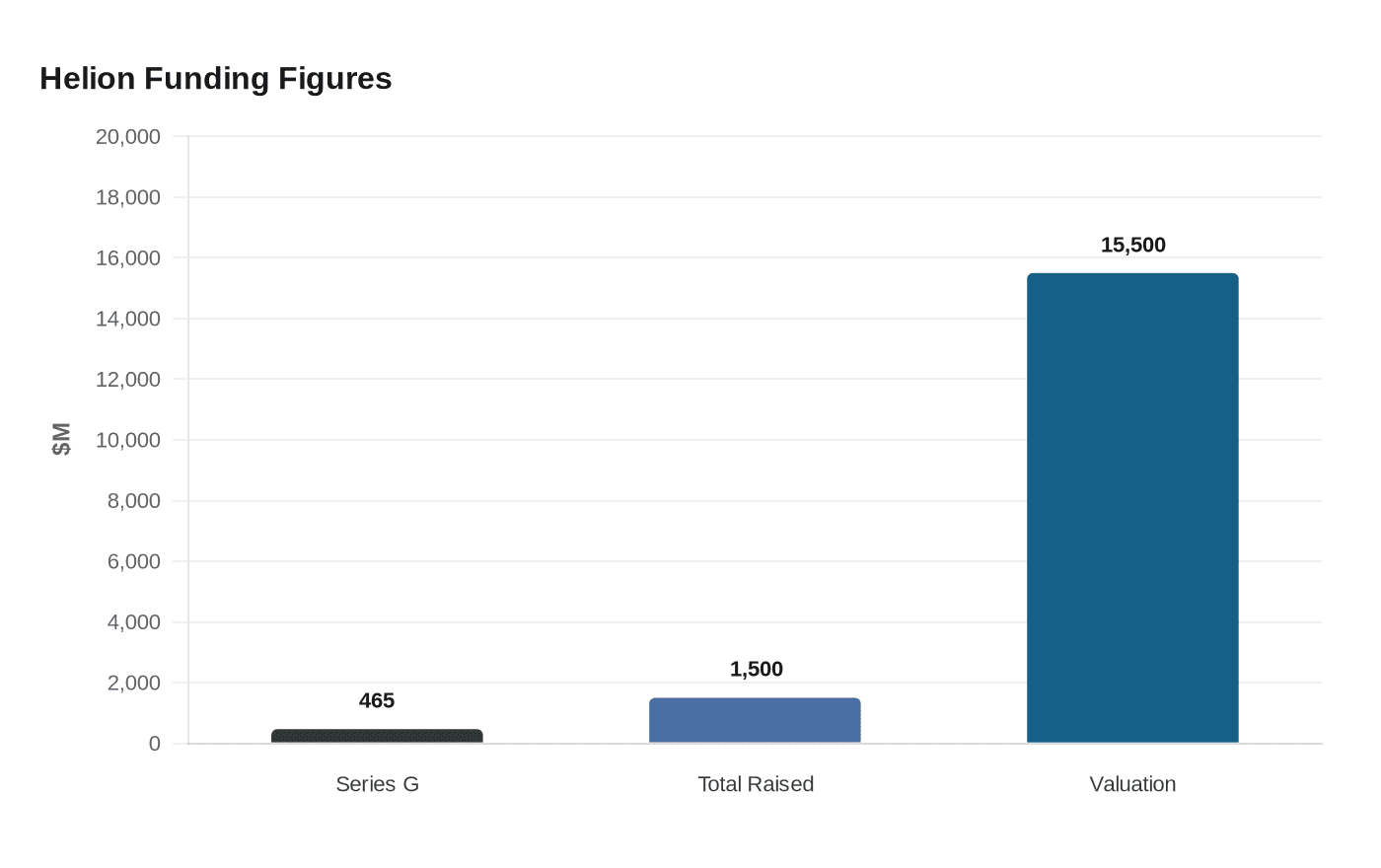
Helion raised $465 million in a Series G round that pushed its valuation to $15.5 billion, but the company’s harder challenge is not fundraising. It is proving that fusion can reach a power grid on Microsoft’s clock, with electricity from Helion’s first plant due as soon as 2028. The new round, led by Thrive Capital, brought Helion’s total capital raised to $1.5 billion and added fresh pressure to one of the industry’s most ambitious commercial deadlines.
That deadline centers on Orion, Helion’s first fusion power plant, now under construction in Malaga, Washington, in Chelan County. Helion broke ground at the site in July 2025 and says the plant is designed to supply at least 50 megawatts after a one-year ramp-up period. The Microsoft agreement, signed in August 2023, is widely described as the world’s first fusion power purchase agreement, with Constellation Energy handling power marketing and transmission. The deal gives Helion something the fusion field has rarely had: a customer waiting for real electricity, not just a laboratory result.
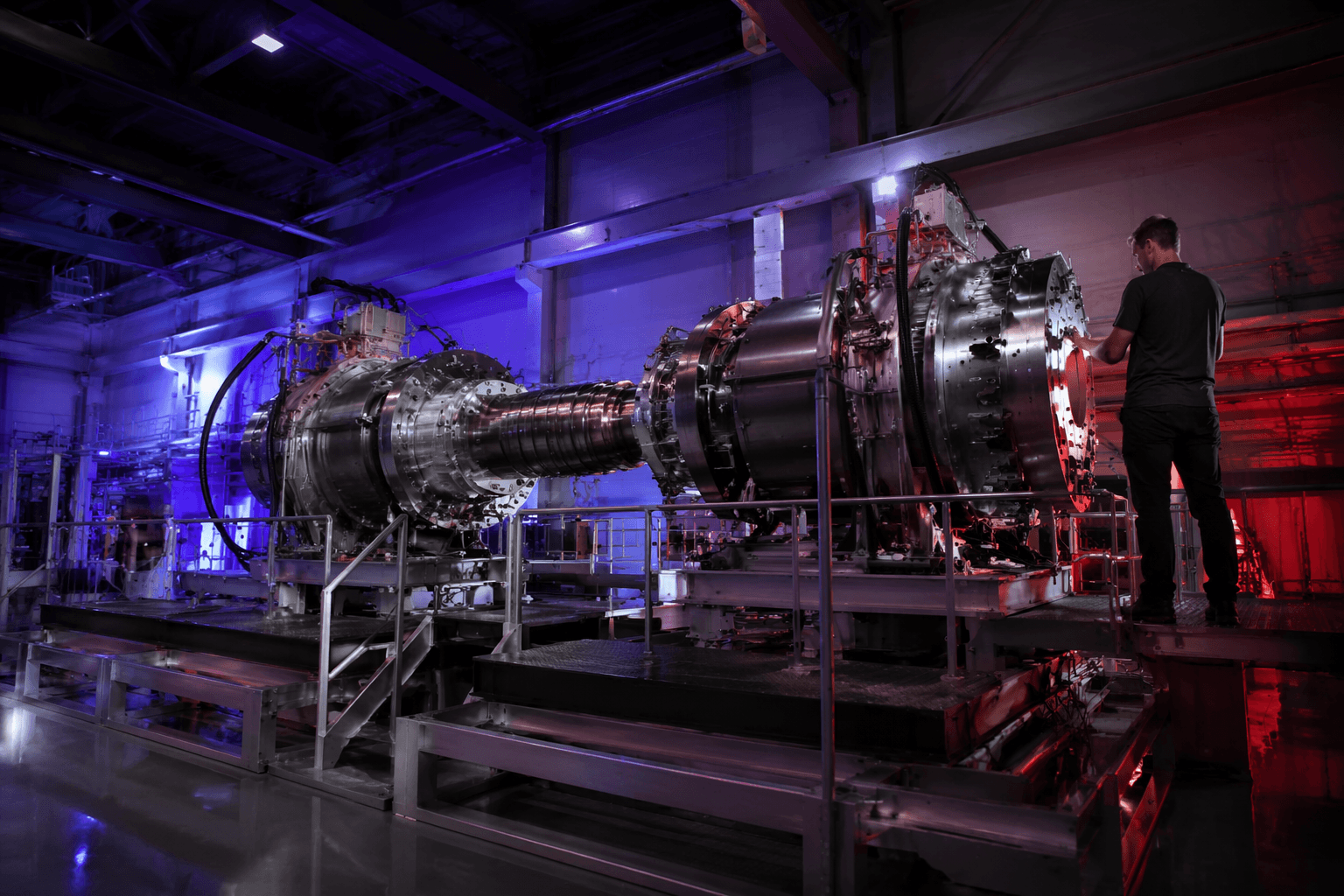
The company said the new money will speed commercial deployment of fusion, expand manufacturing capacity and widen its ability to deliver clean electricity to customers. That promise now has to survive the gap between capital and engineering. Helion still needs to show that Orion can operate reliably, produce power at scale and do it fast enough to meet the 2028 target.
Helion pointed this year to a technical milestone in its Polaris prototype, saying in February that it became the first privately developed fusion energy machine to demonstrate measurable deuterium-tritium fusion and reach plasma temperatures of 150 million degrees Celsius. The company has cast that result as support for commercialization. Even so, critics and experts continue to say major technical hurdles remain, and Helion’s relative secrecy has made independent evaluation difficult.
For Microsoft, the arrangement ties a corporate clean-energy commitment to a technology that has spent decades promising more than it has delivered. For Helion, the next two years are the difference between a historic grid debut and another reminder that fusion remains one of energy’s most expensive bets on the future.
This article was produced by Prism’s automated news system from verified source data, official records, and press releases, then run through automated quality and moderation checks before publishing. The system is built and supervised by the people who set the standards it runs under. Read our full AI policy.
Did this article answer your question?