Hello BONSAI Opens in Kyoto Sanjo, Offers Workshops to International Visitors
Hello BONSAI club opened in Kyoto Sanjo, offering hands-on bonsai workshops aimed at international visitors and boosting local access to craft learning.
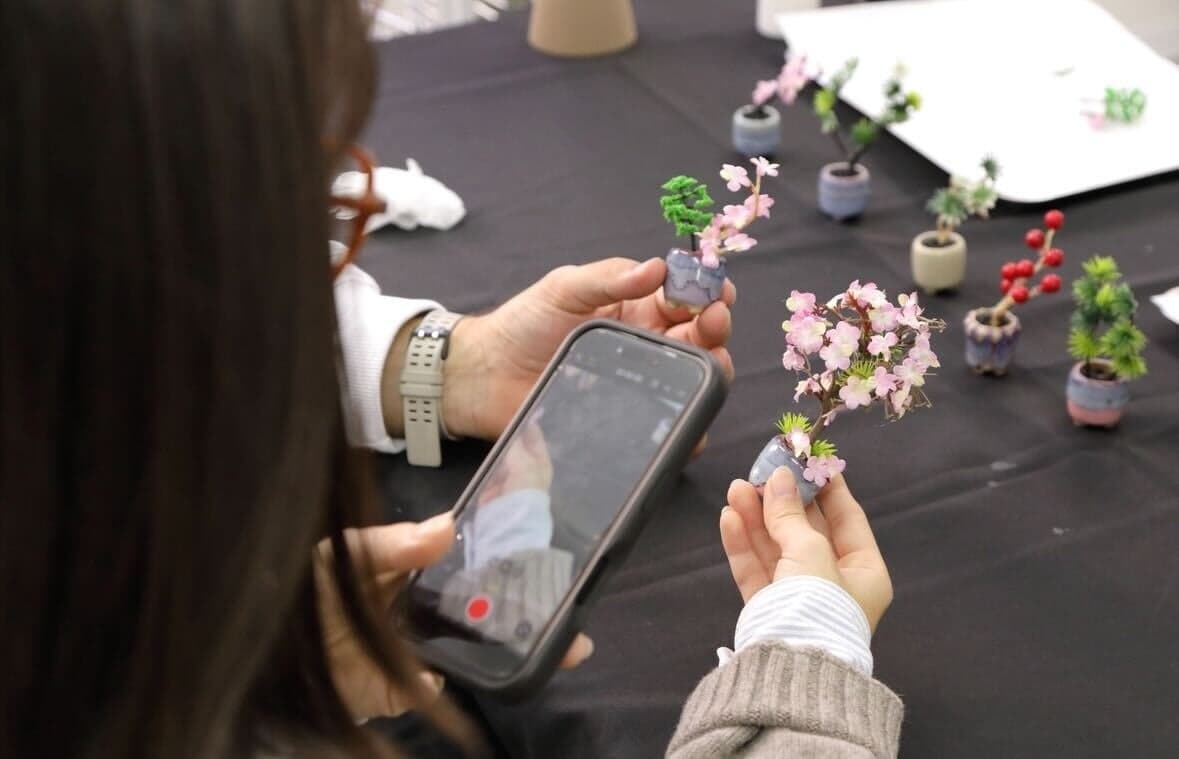
Hello BONSAI club opened in Kyoto Sanjo, bringing hands-on bonsai workshops to international visitors and local residents interested in learning traditional care and styling techniques. The new space positions Kyoto as a more accessible entry point for foreign travelers who want a practical introduction to bonsai beyond museum viewing.
PIXTA Inc. and its subsidiary launched Hello BONSAI on January 29, 2026. PIXTA Inc. is based in Tokyo, Shibuya-ku, and is led by Representative Director and President Daisuke Furumata. PIXTA is listed on the Tokyo Stock Exchange Standard under ticker 3416. The club’s location in the Sanjo area aims to intersect Kyoto’s tourist corridors with community-centered programming.
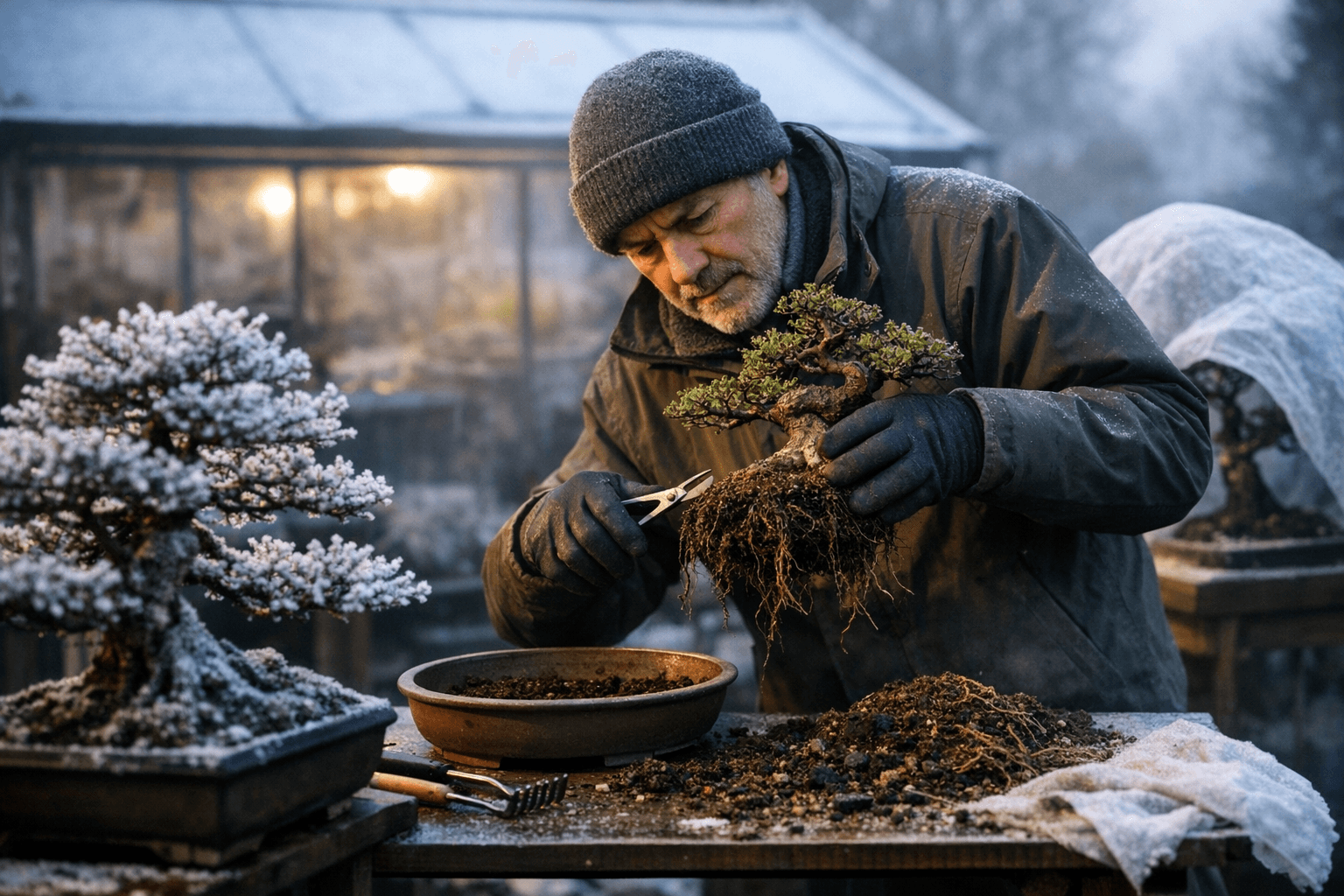
Hello BONSAI offers workshop formats designed for different skill levels, with an emphasis on hands-on practice rather than lectures. The programming intends to cover seasonal maintenance, basic styling, and container work so participants can leave with a cared-for plant and applied skills. International visitors will find the club useful for learning techniques they can continue at home, and for building vocabulary around bonsai practice that helps when purchasing materials or consulting teachers back home.
For Kyoto residents, Hello BONSAI adds a community space focused on cultivation, not just display. The club’s presence in Sanjo complements local nurseries and bonsai salons by providing short-term workshop access to people who may not have room or time for long-term apprenticeship. The space also creates opportunities for cultural exchange, as visitors bring diverse perspectives on potting styles, display, and plant selection.
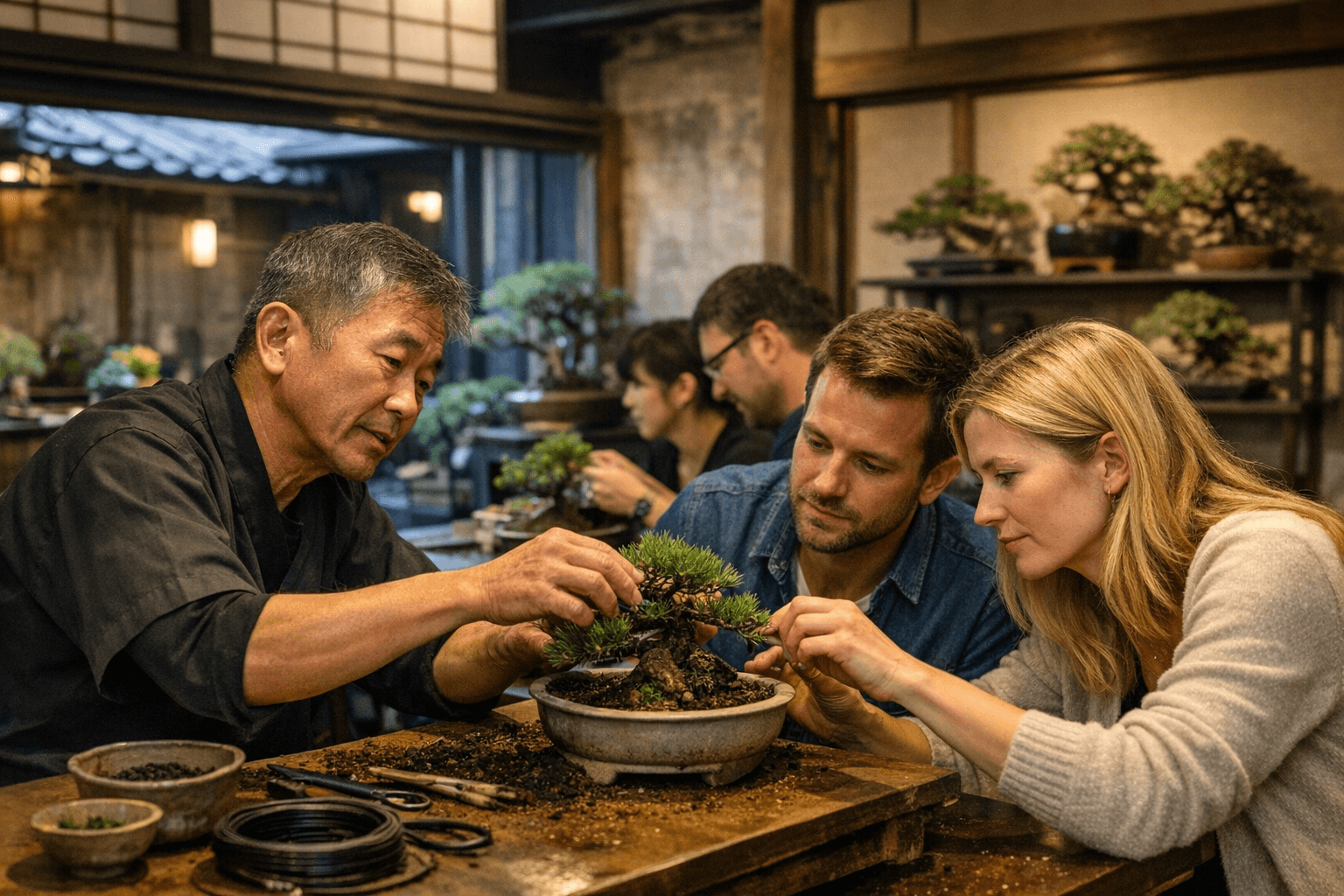
Hello BONSAI’s opening follows a broader global interest in plant crafts and micro-greening. Kyoto’s concentration of traditional artisanship makes it a logical setting for experiential bonsai education, and the club’s workshops can help demystify concepts like nebari, wiring, and jin for newcomers while reinforcing fundamentals for intermediate practitioners.
Practical takeaways for readers: visitors can add an interactive bonsai activity to a Kyoto itinerary; residents gain another option for short-format instruction and community practice; and collectors can use workshops as an opportunity to troubleshoot a specific tree with hands-on guidance. As Hello BONSAI settles into Sanjo, watch for program updates, seasonal classes, and potential collaborations with local growers that could deepen the city’s living bonsai scene.
Know something we missed? Have a correction or additional information?
Submit a Tip