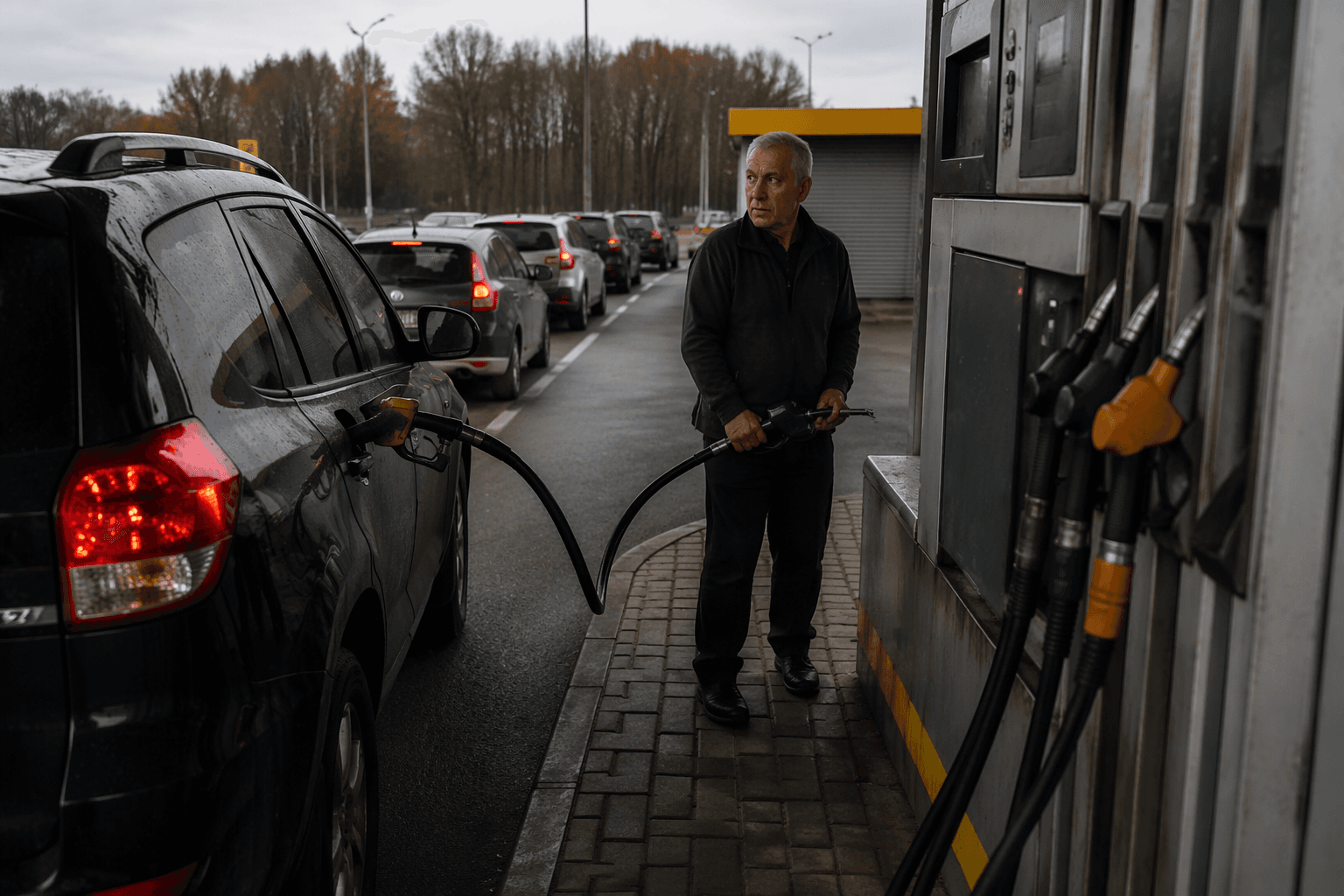
Helsinki bets big on pedestrian bridges, transit and bike routes
Helsinki opened Finland’s longest bridge to pedestrians and cyclists, drawing 50,000 visitors while a 326 million-euro price tag fueled debate.

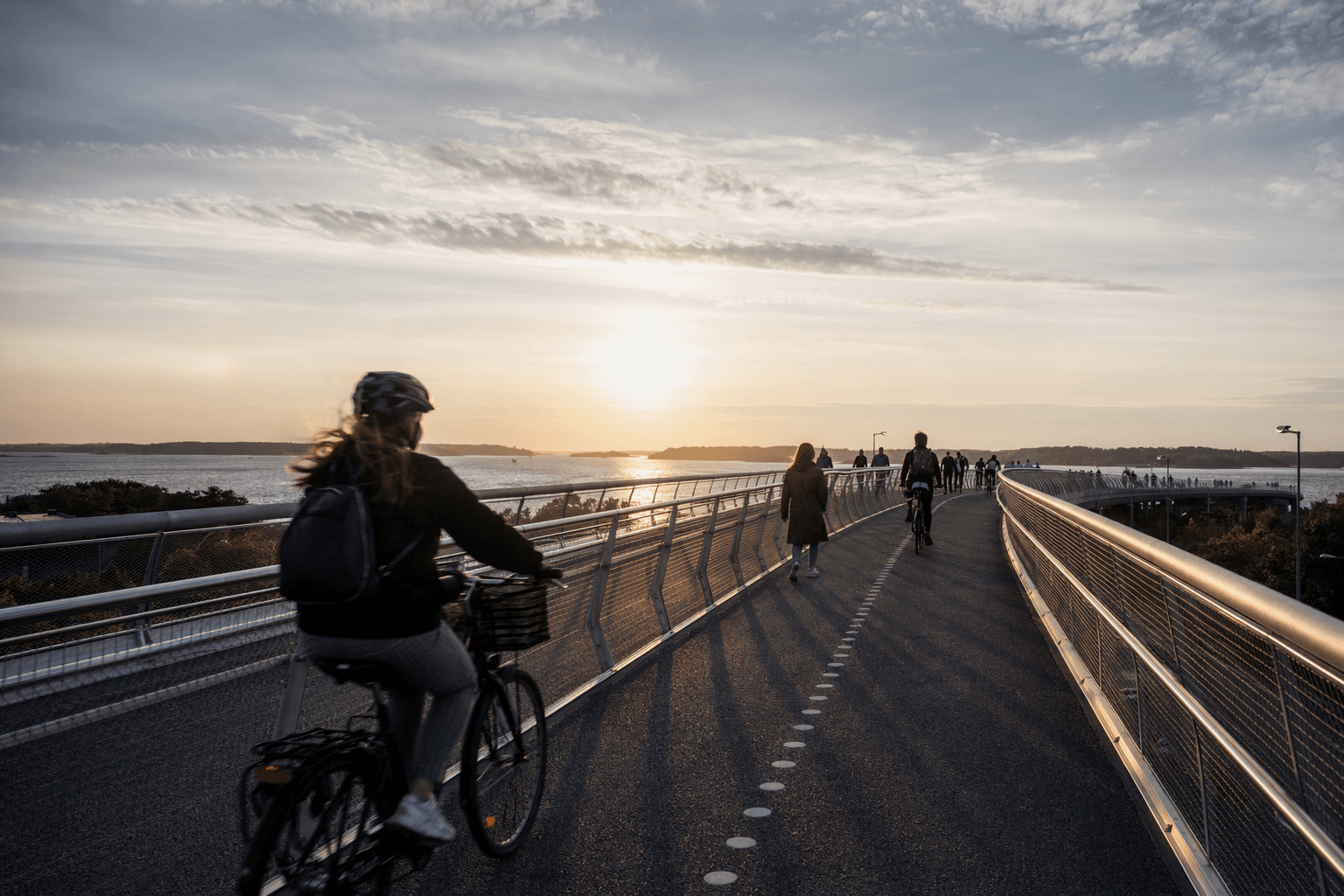
Helsinki’s newest landmark has become a referendum on how far a city should go to favor walking, cycling and transit over cars. Kruunuvuorensilta, a 1,191-metre bridge that links the city center with Laajasalo and nearby islands, opened to pedestrians on Saturday, 18 April 2026 and to cyclists later that day, drawing more than 50,000 visitors over opening weekend.
The bridge is the most visible piece of the Crown Bridges project, whose revised cost estimate stands at 326 million euros. Helsinki says the structure is Finland’s longest bridge and part of a larger transport package that will extend tram service toward Laajasalo in early 2027. The city has framed the investment as the first major new route between central Helsinki and the eastern districts around Kruunuvuorenranta and Korkeasaari, while supporters say the project adds more than a scenic crossing by creating a direct corridor for trams, bicycles and pedestrians.
That promise sits beside a tougher arithmetic. Helsinki already says it has about 1,300 kilometres of cycle paths and a 100-kilometre bicycle superhighway network, yet cycling’s share of transport has stayed roughly flat at 9% to 11% since 2010. Oskari Kaupinmäki, who leads the city’s bicycle traffic team, said opposition to the bridge has focused mainly on its “big price tag” and argued that the city is still building out an incomplete network rather than backing away from its strategy.
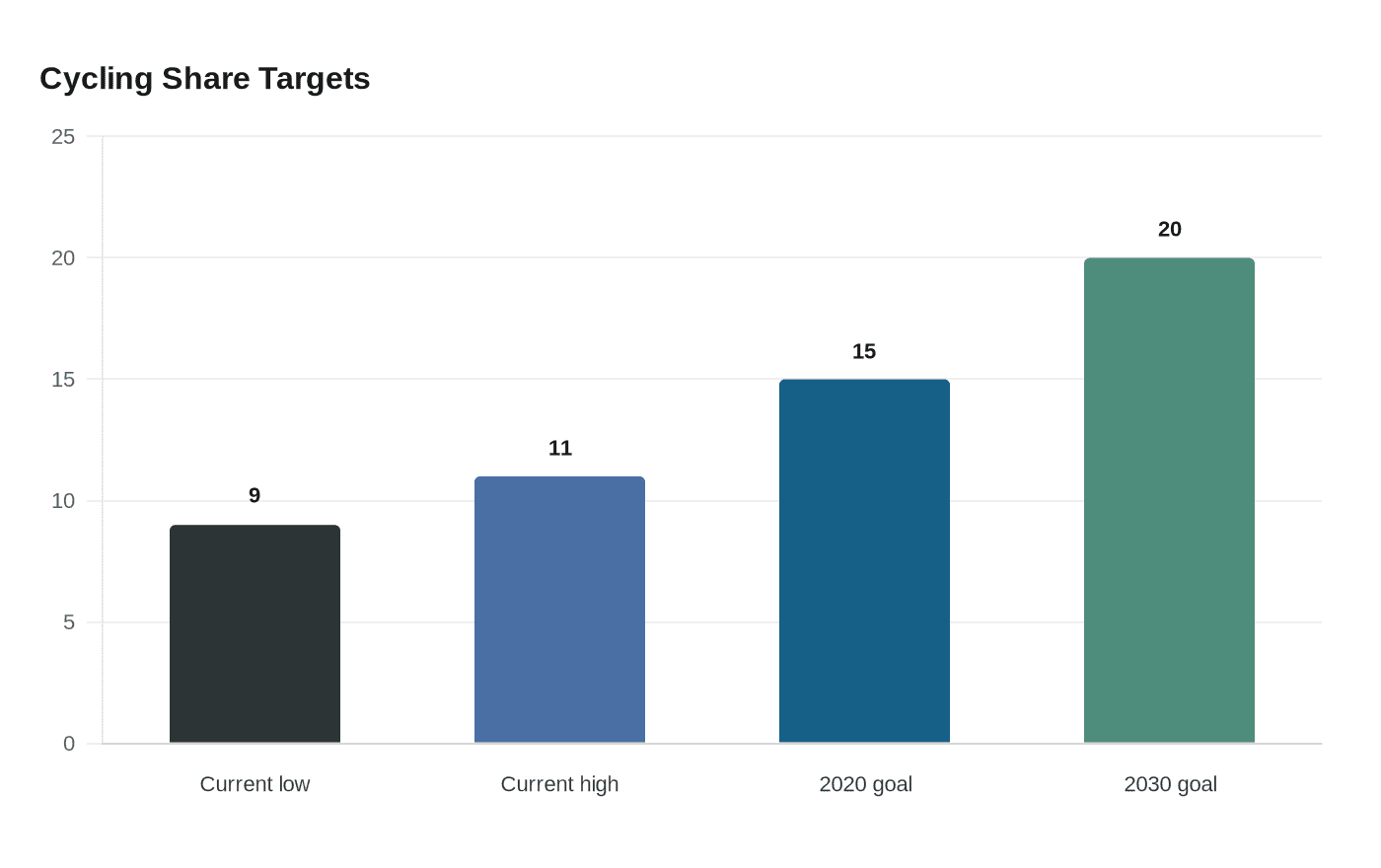
The city’s own targets show how much is riding on that network. Helsinki’s cycling policy aims to lift the share of trips made by bicycle to 20% by 2030, and its climate work says transport-emissions cuts will require doubling bicycle traffic by then. A 2014 bicycle action plan set an earlier goal of raising cycling’s modal share from 11% to 15% by 2020 and gradually increasing annual cycling investment to 20 million euros, a sign that the capital has been pushing the same broad agenda for years.
The political cost is showing up elsewhere in the city center. On 28 May 2025, the Helsinki City Council voted 77–5 to remove private car traffic from Kaivokatu, the street in front of the Central Railway Station, replacing through-traffic with trees, outdoor cafés and two new tram tracks in a phased redesign that is expected to run into the early 2030s. City officials say the aim is to expand pedestrian space, strengthen access to public transport and help revitalize the core with local businesses.
Critics question whether the spending is outpacing the payoff. City councillor Marcus Rantala said he had criticized the bridge’s price tag and the realism of a budget that kept growing over the years, though he also called the finished structure “impressive.” For supporters, the gains are more immediate. Cyclist and musician Johanna Jarvinen said the new connections could shorten her summer commute by about 10 minutes, a small but concrete return that helps explain why Helsinki keeps betting that quality-of-life projects can still win public support when the bill gets large.
This article was produced by Prism’s automated news system from verified source data, official records, and press releases, then run through automated quality and moderation checks before publishing. The system is built and supervised by the people who set the standards it runs under. Read our full AI policy.
Did this article answer your question?