Hidalgo County and Lordsburg resident guide to services and sites
Learn where to find local services, heritage sites, outdoor recreation, and chamber contacts across Hidalgo County and Lordsburg.
1. Downtown Lordsburg amenities
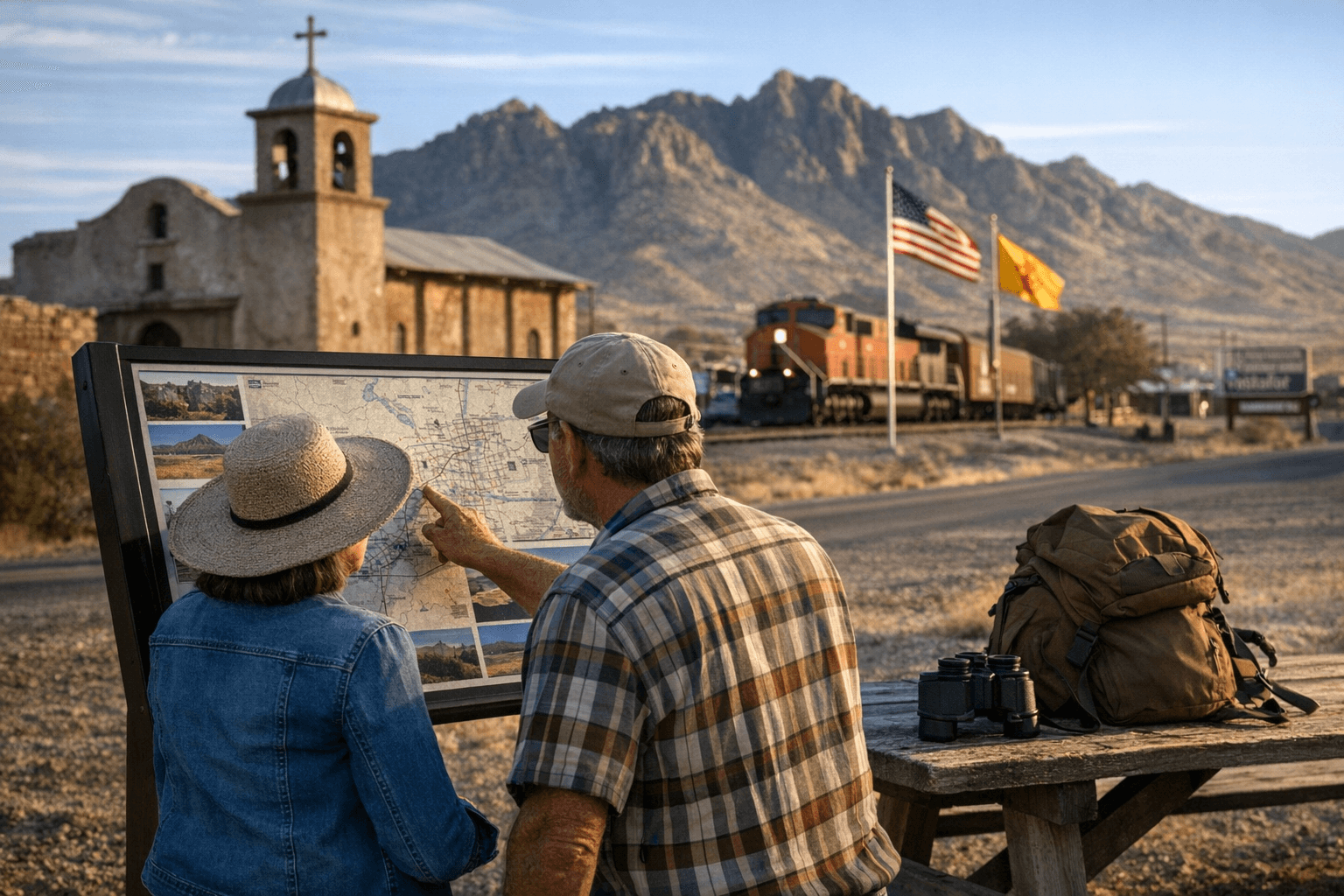
Downtown Lordsburg is the county’s civic and commercial hub, anchored along Main Street and the I-10 corridor. Expect essential services, city offices, small retailers, cafes, and a handful of locally owned shops, that supply day-to-day needs and keep payrolls circulating in the community. For residents this concentration reduces travel time for routine errands and supports neighborhood-level employment; for policy makers, strengthening downtown infrastructure can yield outsized returns on local business vitality. When planning visits, treat Main Street as your first stop for tourist information, gas, groceries, and those particular services that are sparse in outlying ranching and forest communities.
2. Hidalgo County Memorial Wall
The Hidalgo County Memorial Wall is a local commemorative site honoring service and sacrifice and serves as a focal point for community remembrance. Its presence contributes to civic identity and seasonal programming, memorial services and small ceremonies, which in turn draw family visitors and veterans to Lordsburg on key dates. Preserving and programming around the wall supports cultural tourism while strengthening intergenerational ties; municipal budgets and volunteer groups should consider modest investments in signage and maintenance to sustain visitor interest. For residents, the wall is a place to mark local history and to introduce newcomers to Hidalgo County’s civic fabric.
3. Shakespeare ghost town tours and other heritage attractions
Shakespeare ghost town tours and nearby historical sites are among Hidalgo County’s strongest heritage draws, offering interpretive narratives of mining-era life and frontier settlement. Heritage tourism appeals to niche visitors, history buffs, photographers, and school groups, and typically produces higher per-visitor spending in lodging and specialty services than pass-through traffic. Local stakeholders can leverage these assets through coordinated tour schedules, seasonal programming, and cross-promotion with downtown businesses to extend visitor stays. • Tip: Book tours in advance when possible and pair with a Main Street meal to keep visitor dollars local.
4. Recreation access: Gila National Forest and trailheads
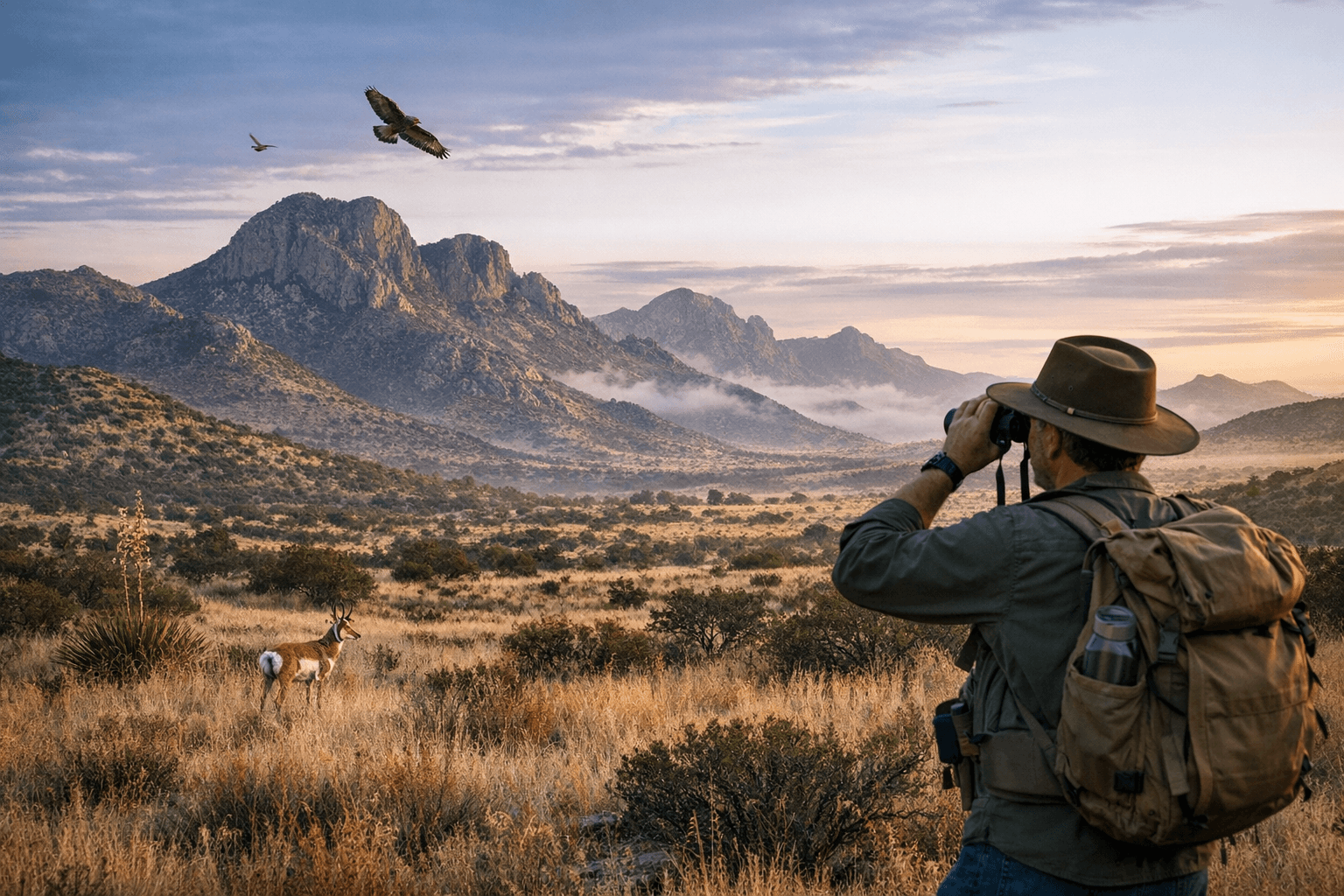
Gila National Forest access from Hidalgo County provides vital outdoor recreation, backcountry hiking, dispersed camping, and scenic drives, that anchors the region’s outdoor economy. Proximity to the forest makes Lordsburg a gateway community, with spillover demand for fuel, food, and accommodations during peak seasons. From an economic-policy perspective, maintaining road access, trail signage, and pullouts increases visitation safety and lengthens stays, which benefits local merchants. Residents benefit from nearby green space for quality-of-life reasons, while sustainable management partnerships between county agencies and federal forest managers reduce long-term maintenance costs.
5. Rock-hounding opportunities
Rock-hounding is a locally popular pastime that attracts collectors to Hidalgo’s public lands and streambeds; it’s part hobby, part exploratory tourism with modest gear requirements. Economically, rock-hounding brings steady, low-volume visitation that supports outdoor outfitters, guides, and local markets for found specimens. Responsible collection depends on land ownership and permit rules, obtain necessary permissions, follow federal and state regulations, and practice leave-no-trace principles to preserve sites. • Tip: Check land-status layers on the interactive county map before setting out and pack basic safety gear for remote areas.
6. Hunting and fishing
Hunting and fishing are seasonally important economic drivers, drawing resident and nonresident license sales, guiding fees, and retail purchases of gear and supplies. These activities concentrate spending in local businesses during peak seasons (e.g., big game hunting windows and prime fishing months), so lodging occupancy and restaurant receipts often rise accordingly. Effective management requires coordination on licensing, access routes, and habitat conservation policies to balance recreation with ecological sustainability. Residents who participate should keep permits current and be aware of posted access rules to ensure continued public use.
7. Lodging and dining options
Lodging and dining in Lordsburg and nearby communities are compact but diverse, from family-run motels to diners and small restaurants that reflect local taste and supply chains. These service sectors are crucial for capturing tourist dollars; even modest improvements in online presence, booking ease, and consistent hours can increase occupancy and patronage. For local economic development, targeted support, marketing assistance, business training, and infrastructure upgrades, can improve margins for small operators and raise the county’s visibility as a stopover or destination. Residents benefit from a stronger local food and hospitality scene through job opportunities and more varied dining choices.
8. Chamber contacts, events, membership resources, and interactive map
The Lordsburg chamber is the practical hub for visitor information, business support, and community coordination. Contact details: 206 Main Street; PO Box 699; phone (575) 542-9864; visitlordsburg@gmail.com. The chamber maintains event listings, membership resources for local businesses, and an interactive county map that helps with trip planning, site locations, and service lookups. Joining the chamber or checking its calendar is the most direct way to plug into local events, learn about membership benefits, and access digital tools that reduce friction for residents and visitors.
9. Community and policy implications
Local assets, heritage sites, the Gila gateway, and recreational offerings, create a diversified small-economy mix that can buffer Hidalgo County against single-sector shocks, but this requires proactive planning. Investments in wayfinding, digital listings, and basic infrastructure (broadband, road maintenance, restroom facilities) raise the yield from each visitor dollar and improve resident quality of life. Policy choices that support small business stability (e.g., grant assistance, coordinated marketing) and that preserve public-land access will determine long-term trends: successful counties in similar regions combine modest public spending with strong volunteer-led programming.
Closing paragraph Use the chamber’s interactive map and contact line as your starting point, call (575) 542-9864 or email visitlordsburg@gmail.com to confirm event schedules, tour availability, and business hours. Support local lodging and dining when you visit heritage sites or head into the Gila; small choices like booking locally and following access rules for rock-hounding and hunting help sustain the county’s attractions and keep Hidalgo County open for the next generation.
Sources:
Know something we missed? Have a correction or additional information?
Submit a Tip