High divers showcase cleaner Seine in first Paris competition
High divers plunged from a 20-meter platform by the Eiffel Tower as Paris used the Seine to prove its cleanup is more than a photo op.
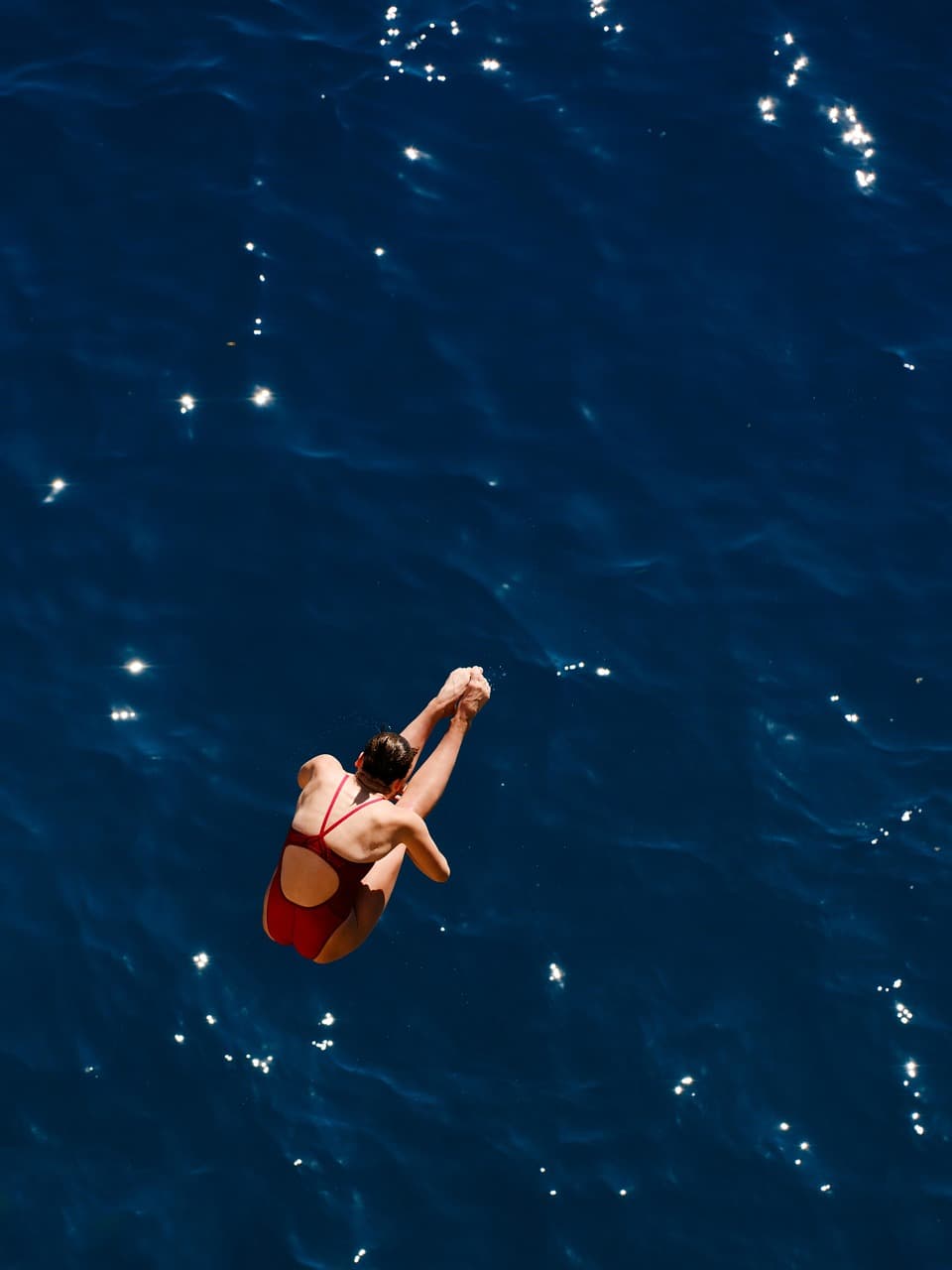
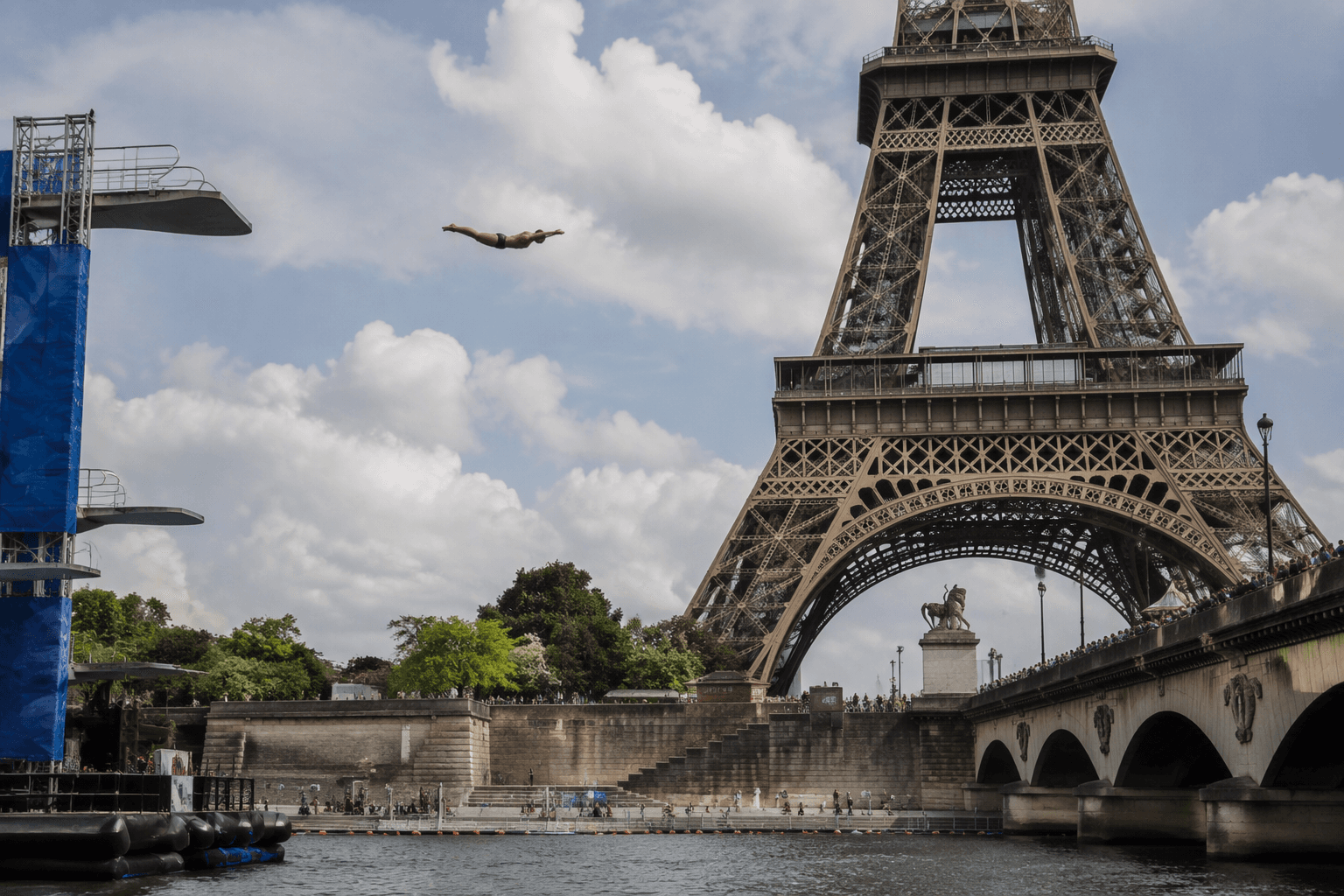
High divers entered the Seine on August 8 from a 20-meter platform near the Eiffel Tower, giving Paris its first high-diving competition on the river and turning a long-running cleanup effort into a public test. The setting, also identified around Pont de Bir-Hakeim and Port Debilly, put one of the city’s most symbolic waterways on display for an event built on confidence in the water as much as athletic skill.
The competition landed in a river that Paris has spent years trying to reclaim for daily use. The Seine had been closed to swimmers since 1923 except for limited exceptions, and the city committed about €1.4 billion to cleanup and regeneration work tied to the 2024 Olympics. Paris reopened public swimming on July 5, 2025, for the first time in more than 100 years, with three supervised sites at Bras Marie, Bercy and Grenelle. Other coverage identified those areas as near Notre-Dame, the Eiffel Tower and eastern Paris.
Officials have used those openings to argue that the river is no longer just a scenic backdrop. Water at the new bathing sites was judged safe much of the time under European standards, giving residents and visitors a controlled way back into the river after decades of pollution fears. That claim carries added weight because some Olympic events in the Seine were delayed in 2024 over pollution and bacterial concerns, a reminder that visible improvements do not erase the need for constant monitoring.
The high-diving showcase made that tension plain. A competition that asks elite athletes to hurl themselves into the water only works if the city can sustain clean conditions, public safeguards and reliable access over time. Paris is trying to show that the Seine can support more than one-off displays, with bathing sites, supervised entry and environmental oversight replacing the old assumption that the river was off-limits.
That is why the event matters beyond sport. If Paris can keep the Seine open for swimming and diving without backsliding on water quality, it would offer a rare urban example for other cities trying to reclaim polluted rivers as usable public space. The challenge now is durability: the cleanup has already changed the river’s image, but the long test is whether it stays safe enough for ordinary use long after the platform is gone.
This article was produced by Prism’s automated news system from verified source data, official records, and press releases, then run through automated quality and moderation checks before publishing. The system is built and supervised by the people who set the standards it runs under. Read our full AI policy.
Did this article answer your question?