Zelenskyy visits Serbia as Russia intensifies attacks on Kyiv region
Russian strikes killed four in the Kyiv region as Zelenskyy made his first official visit to Serbia, pressing a Moscow-friendly capital to stay engaged.
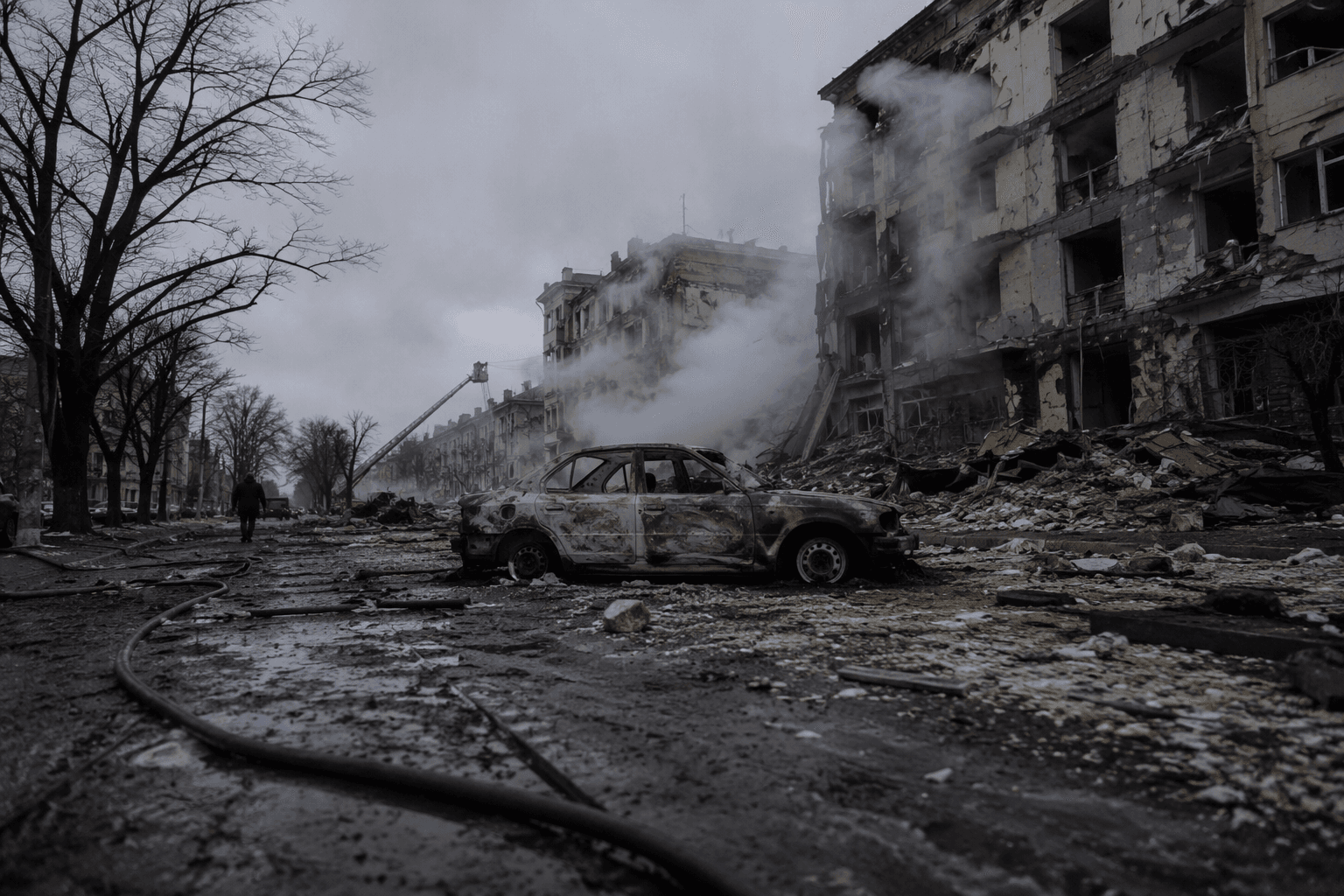
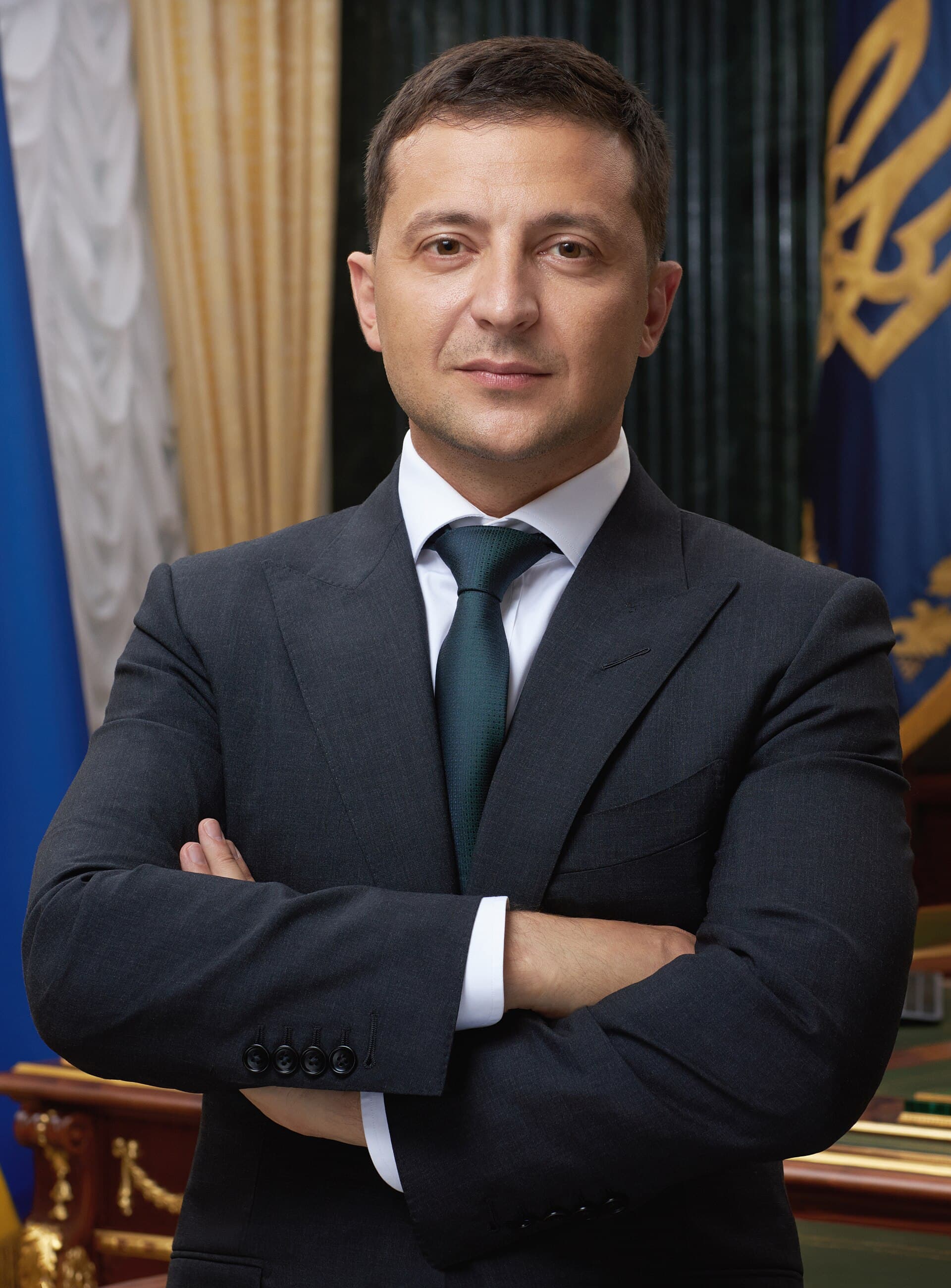
Russian attacks on the Kyiv region killed four people, including a child, as Volodymyr Zelenskyy made his first official visit to Serbia, a grim backdrop for a trip aimed at keeping one of the Balkans’ most Moscow-friendly capitals from drifting further toward neutrality on Russia’s war. The timing laid bare the pressure on Kyiv: Zelenskyy was abroad seeking political support while civilians at home were again being killed by Russian fire.
In Belgrade, Zelenskyy met Serbian President Aleksandar Vučić and held talks that centered on economic ties and security issues. He also met Serbian Prime Minister Đuro Macut to discuss winter preparations and reconstruction, two concerns that capture the scale of Ukraine’s wartime burden as the country enters another cold season under attack. Officials had also planned formal talks after a Friday dinner, underscoring the effort to keep the channel open even as Serbia preserves a delicate balance between Europe, the United States and Russia.
The visit carried outsized diplomatic weight because Serbia has refused to join sanctions against Russia after Moscow’s invasion of Ukraine, even while pledging aid to Ukraine and avoiding stronger pressure on the Kremlin. That balancing act has made Belgrade a difficult but important target for Ukrainian diplomacy. For Zelenskyy, engagement with Serbia is part of a broader attempt to hold together a wide coalition across Europe, where fatigue over the war and competing interests can slowly erode support even without an outright shift to Moscow’s side.
The violence in the Kyiv region only sharpened that message. Days earlier, another Russian missile strike in the same area killed 14 people and injured 27, and a separate attack killed 17 in Kyiv and surrounding areas, showing how quickly civilian losses continue to mount. Against that backdrop, Zelenskyy’s trip to Serbia was not just a gesture of outreach. It was an effort to keep pressure on governments with historic ties to Russia and to prevent the Balkan region from becoming another seam in Ukraine’s international backing.
For Kyiv, the stakes in Belgrade are practical as well as symbolic. Every meeting that keeps Serbia talking about aid, security and reconstruction is also a test of whether Ukraine can still win room to maneuver in a region where Russia’s influence remains embedded in politics, energy and memory.
This article was produced by Prism’s automated news system from verified source data, official records, and press releases, then run through automated quality and moderation checks before publishing. The system is built and supervised by the people who set the standards it runs under. Read our full AI policy.
Did this article answer your question?