Higher diesel prices squeeze U.S. grain belt farmers, Reuters reports
War-driven diesel spikes are pushing Midwest farm fuel bills to record highs, with Illinois row-crop costs jumping toward $30 an acre and margins already thin.

Higher diesel prices are moving from the geopolitics of the Strait of Hormuz straight into the economics of the Corn Belt, where tractors, sprayers, planters, fertilizer rigs and harvest equipment all run on fuel that has no easy substitute. That is turning a Middle East supply shock into a pocketbook problem for U.S. grain farmers just as spring fieldwork was underway and grain margins were already under strain.
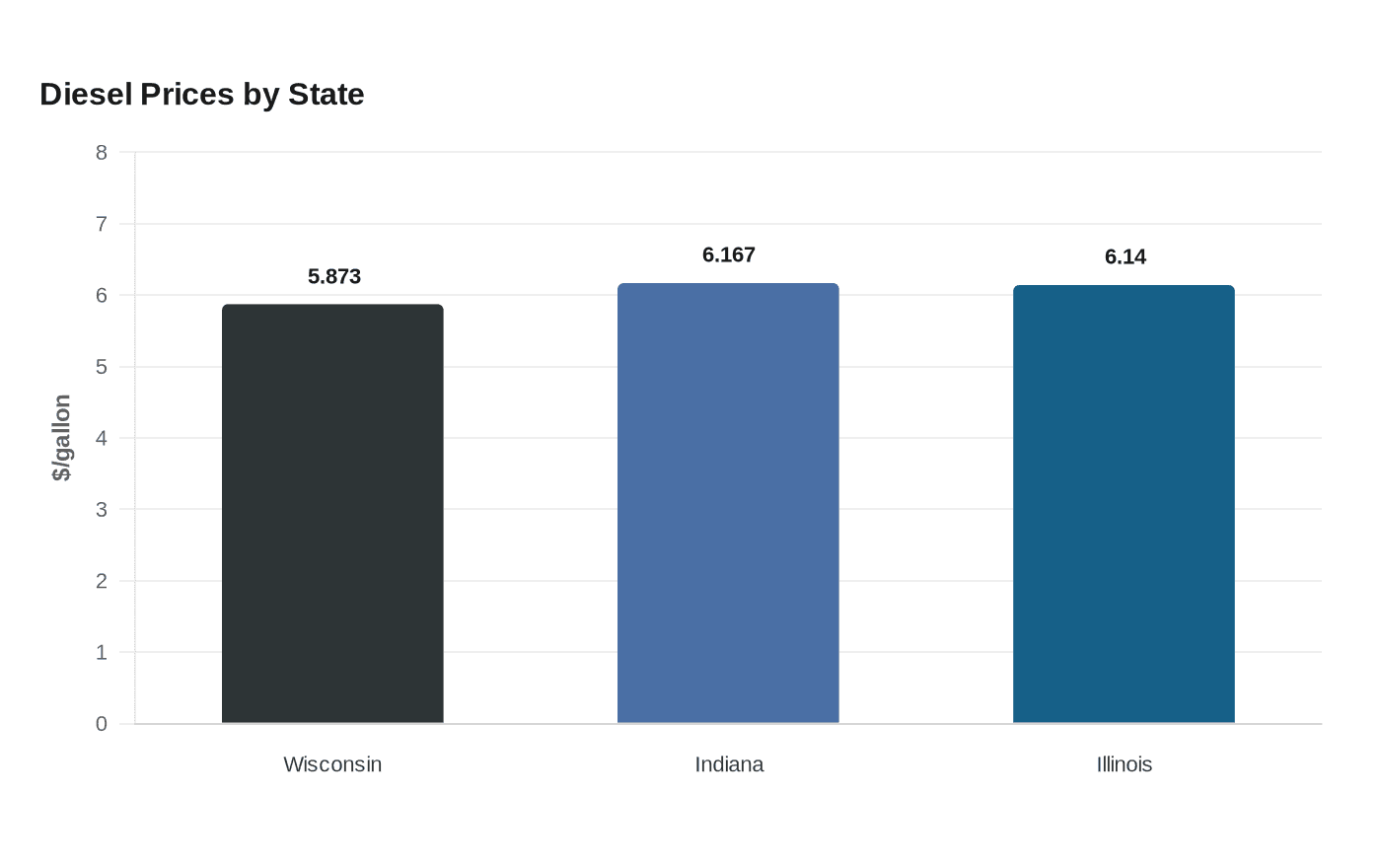
Diesel prices hit record levels across several Midwestern states in May, including $5.873 a gallon in Wisconsin, $6.167 in Indiana and $6.14 in Illinois, according to AAA data cited in the report. Ohio and Michigan also posted records. The national average diesel price has climbed more than 40% since the conflict began, while global crude prices have risen about 30% since late February, signaling that the squeeze has been broad and sustained rather than a one-day spike.
The strain is landing hardest on farmers who were already dealing with a fourth straight year of shrinking margins, drought pressure and high input costs, along with the fallout from U.S. trade policies that have weighed on crop prices. Kansas farmer Glenn Brunkow said fuel costs were a huge expense and that growers had not budgeted for such a sudden jump. In northwest Indiana, Tom Murphy delayed soil preparation on rented fields because he did not want to burn precious fuel unnecessarily, a sign that expensive diesel was already altering daily farm decisions.

The cost math is shifting fast in Illinois, a key benchmark because it is one of the nation’s major row-crop and soybean states. Ben Klieve of Benchmark said fuel-related expenses had typically accounted for about 3% to 4% of an average Illinois row-crop farmer’s input costs before the war, or roughly $16 to $23 per acre. If diesel stayed at current levels, he said, that share could rise to 5% to 6%, which Reuters translated into about $30 per acre. That jump matters because fuel also drives the transport of fertilizer and other inputs, meaning diesel inflation can ripple through the entire production chain.
The U.S. Energy Information Administration’s Gasoline and Diesel Fuel Update, released June 9, showed the diesel series still being updated weekly, underscoring how quickly the market was changing. The National Corn Growers Association said diesel was nearly double its year-ago level as farmers were burning through fuel for planting, fertilizer application and weed control. With Midwest planting season already under way, the risk is that a geopolitical shock becomes not just an agriculture story, but another source of pressure on food and commodity prices if fuel remains elevated.
This article was produced by Prism’s automated news system from verified source data, official records, and press releases, then run through automated quality and moderation checks before publishing. The system is built and supervised by the people who set the standards it runs under. Read our full AI policy.
Know something we missed? Have a correction or additional information?
Submit a Tip