Home Office confirms first Mohamed Al Fayed abuse case as modern slavery
The Home Office has ruled one Mohamed Al Fayed survivor a modern slavery victim, adding trafficking recognition to abuse claims tied to Harrods.
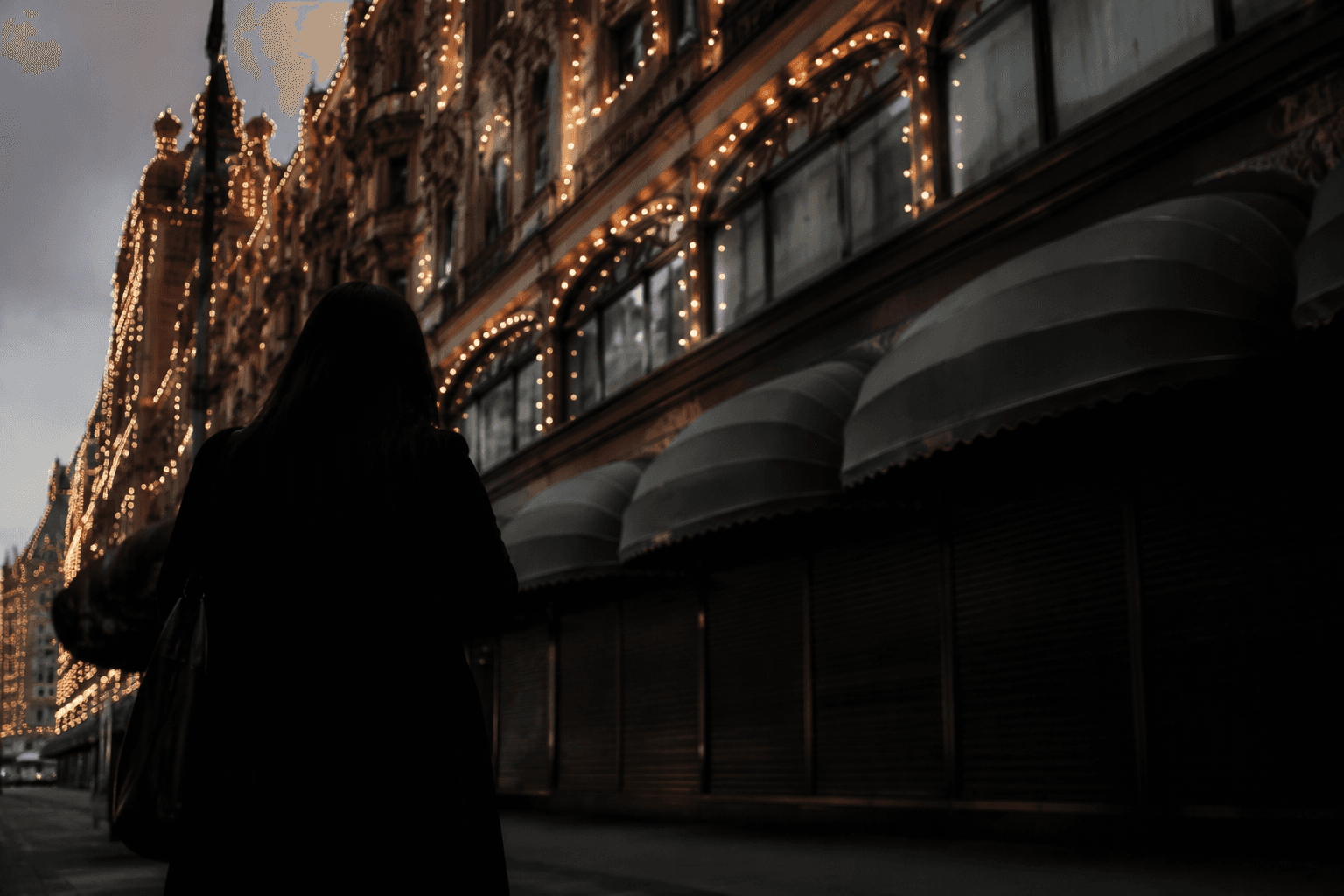
The Home Office has formally acknowledged for the first time that at least one woman abused by Mohamed Al Fayed was a victim of modern slavery. The woman was identified as Rachael Louw, who waived her right to anonymity, and the rulings also include women trafficked internationally and within the UK, with one case found to have taken place entirely inside Harrods.
That acknowledgement matters because it shifts parts of the Al Fayed scandal into the UK’s modern slavery framework, where the National Referral Mechanism is used to identify and support victims of trafficking, forced labour and servitude. Until now, many of the claims had been treated primarily as sexual abuse allegations rather than as trafficking cases, despite accounts that some women were moved between locations and others were allegedly exploited entirely within the department store.
Survivors and campaigners have pressed for the cases to be investigated as human trafficking, not only sexual abuse. No One Above, the survivor group, says some women were recruited at Harrods and then trafficked to Fayed-controlled businesses elsewhere, while others say the abuse happened wholly inside Harrods. The case has also renewed calls for a statutory public inquiry, with survivors saying their complaints have too often met scepticism from government and a slow response from institutions with a duty to protect them.
Mohamed Al Fayed died without facing any charges. The Metropolitan Police has said 146 people have now come forward in its investigation into the former Harrods owner, and officers are looking at more than five people who may have facilitated his alleged abuse. That wider inquiry now sits alongside the Home Office’s modern slavery determination, a combination that raises sharper questions about how coercion around a powerful employer was missed for so long.
Harrods said it was "utterly appalled" by the allegations of abuse perpetrated by Mohamed Fayed and set aside more than £60m for compensation. The company said more than 100 employees were expected to claim up to £385,000 each through a redress scheme that was open until March 2026. In May 2026, 259 survivors had entered the scheme, more than 75 had received full compensation and nearly 200 claims were still being processed.
The fallout has spread beyond Harrods itself. The Survivors Trust and the APPG convened what it described as the first-ever meeting between a prime minister and survivors of sexual violence linked to Harrods, while Anti-Slavery International has said everyone should be able to access timely support, protection and justice when they have experienced exploitation.
This article was produced by Prism’s automated news system from verified source data, official records, and press releases, then run through automated quality and moderation checks before publishing. The system is built and supervised by the people who set the standards it runs under. Read our full AI policy.
Did this article answer your question?