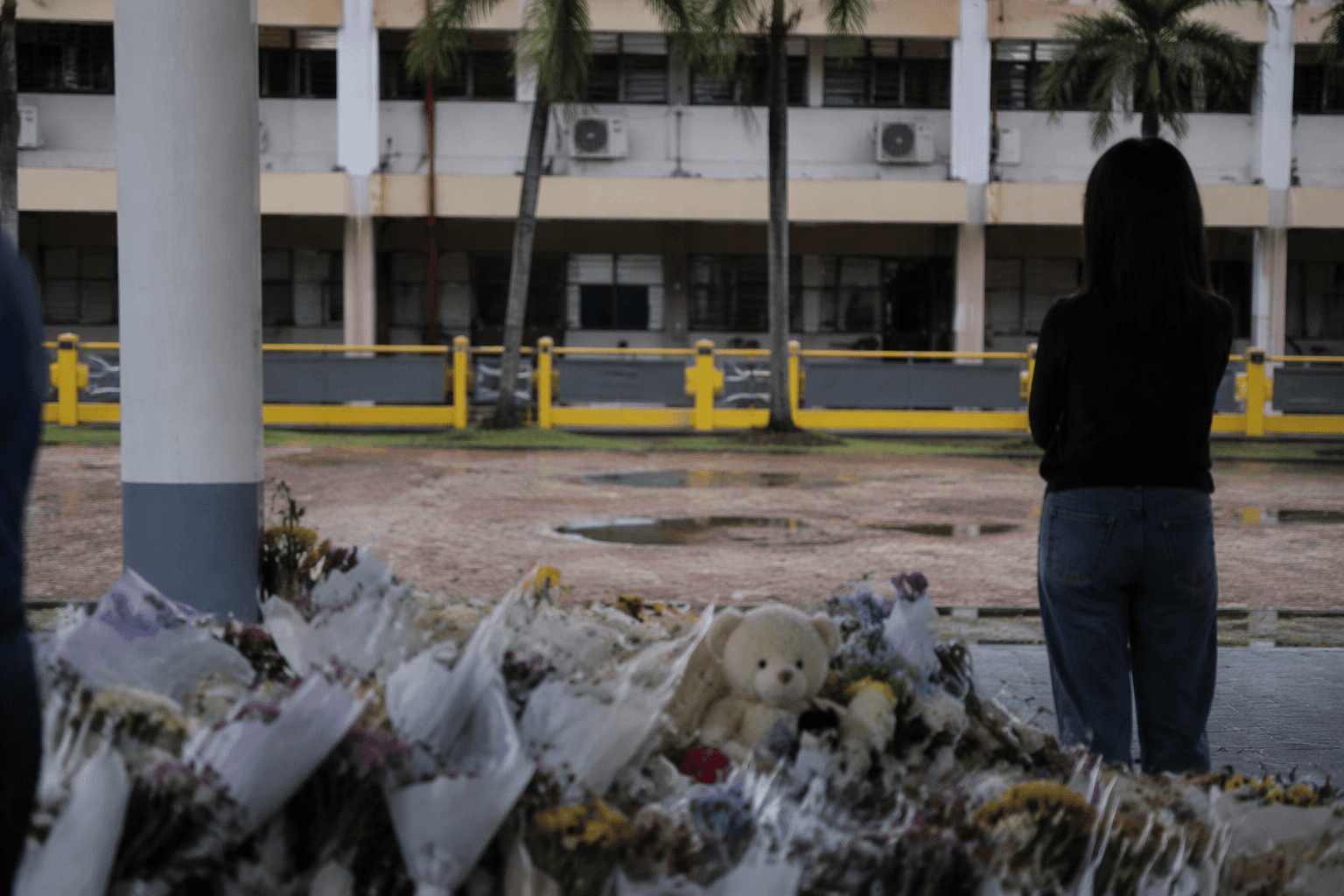
Suicide bombing kills 14 at anti-militant rally in Pakistan's Swat Valley
A bomber hit an anti-militant rally in Swat Valley, killing 14 and wounding more than two dozen in a direct strike on public resistance to extremism.
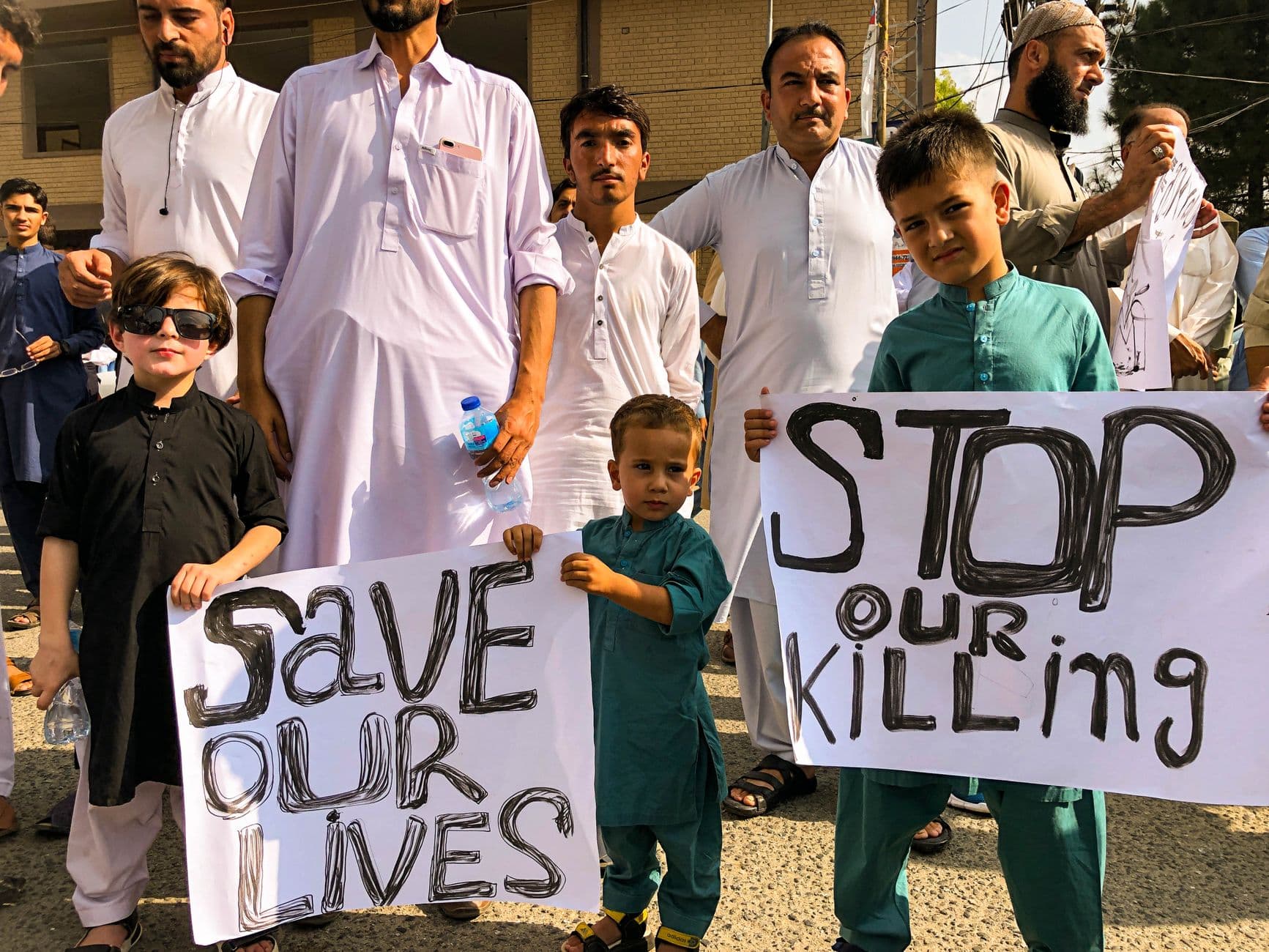
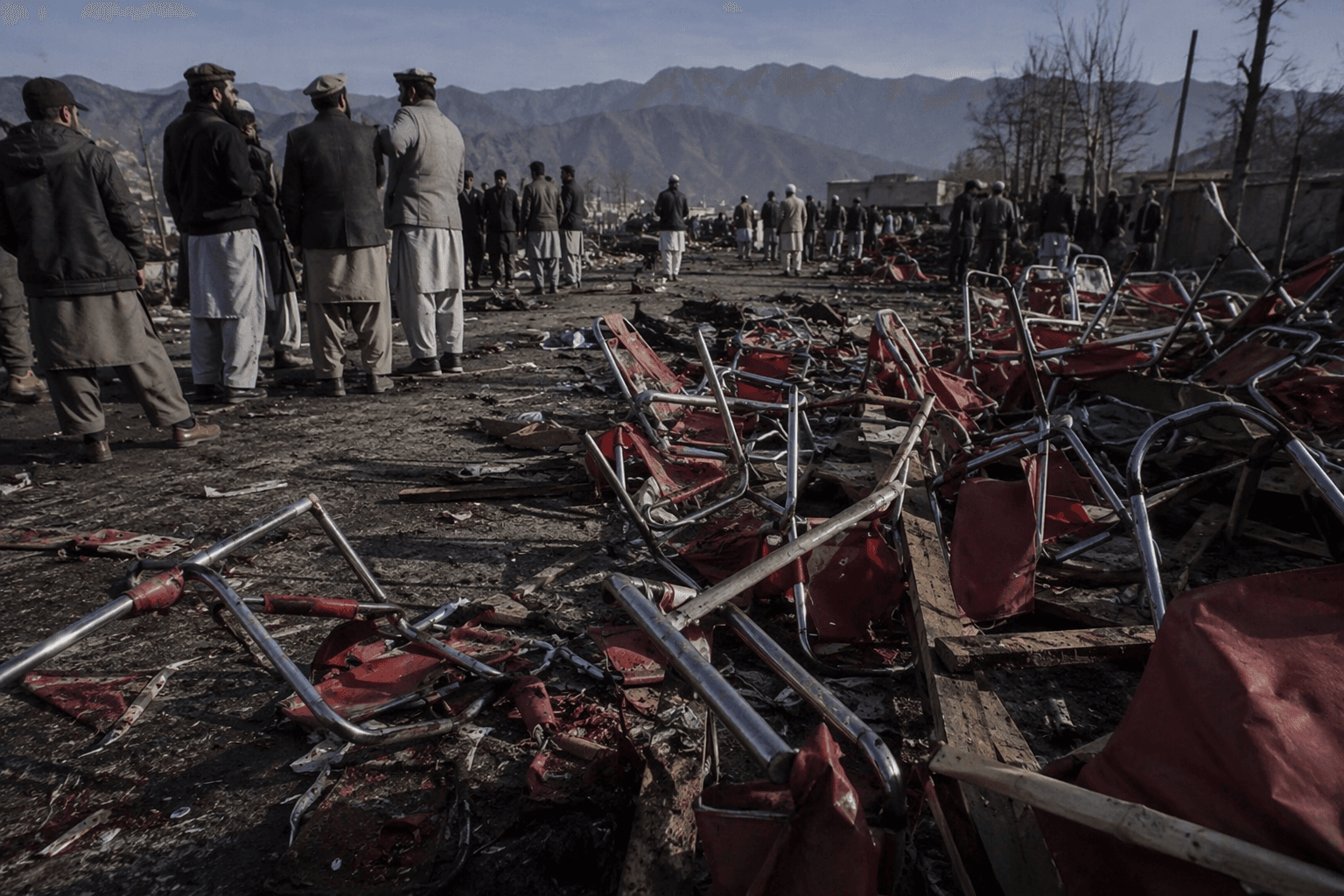
A suicide bomber struck an anti-militant rally in Pakistan’s Swat Valley, killing at least 14 people and wounding more than two dozen others. The blast hit protesters gathered outside a police station in Swat district, turning a public show of defiance against militant groups into a mass-casualty attack.
Police and local officials said the dead included mostly civilians and police officers. The rally had been organized to oppose militant influence and back local efforts to resist extremism, making the bombing a direct assault on civilians assembled to reject violence rather than a random act against passersby.
The attack sharpened concerns about security in Khyber Pakhtunkhwa, where Pakistan has spent years trying to push back Taliban factions and allied networks. Swat Valley remains especially sensitive: the district once fell under Pakistani Taliban control before major military offensives drove the group out, but cells and sympathizers have continued to pose a threat.
The blast also landed in a place already marked by earlier assaults on state authority. In 2008, at least eight policemen were killed when militants bombed police quarters in Swat Valley, underscoring how often security personnel have been targeted there. More recently, a suicide bombing at a political rally in Bajaur district in 2023 killed at least 44 people and wounded nearly 200, a reminder that large public gatherings in northwestern Pakistan have remained vulnerable to coordinated violence.
The Swat bombing is likely to intensify pressure on provincial and federal authorities to strengthen protection for political and anti-militant meetings, especially in rural and semi-rural areas where attackers can exploit gaps in intelligence and response times. It also threatens to chill civic organizing in districts where residents have repeatedly tried to mobilize against extremism, even as militant groups continue to show they can still reach into public spaces that were meant to signal resistance.
This article was produced by Prism’s automated news system from verified source data, official records, and press releases, then run through automated quality and moderation checks before publishing. The system is built and supervised by the people who set the standards it runs under. Read our full AI policy.
Did this article answer your question?