Home Office to Move Asylum Seekers into Crowborough Military Site
The Home Office will begin transferring the first group of asylum seekers to a former military site at Crowborough, East Sussex early in the new year, part of a wider plan to curb the large scale use of hotels for asylum accommodation. The move highlights cost pressures, legal obligations and local resistance, and will test whether the government can scale alternative sites while maintaining standards and involving local authorities.
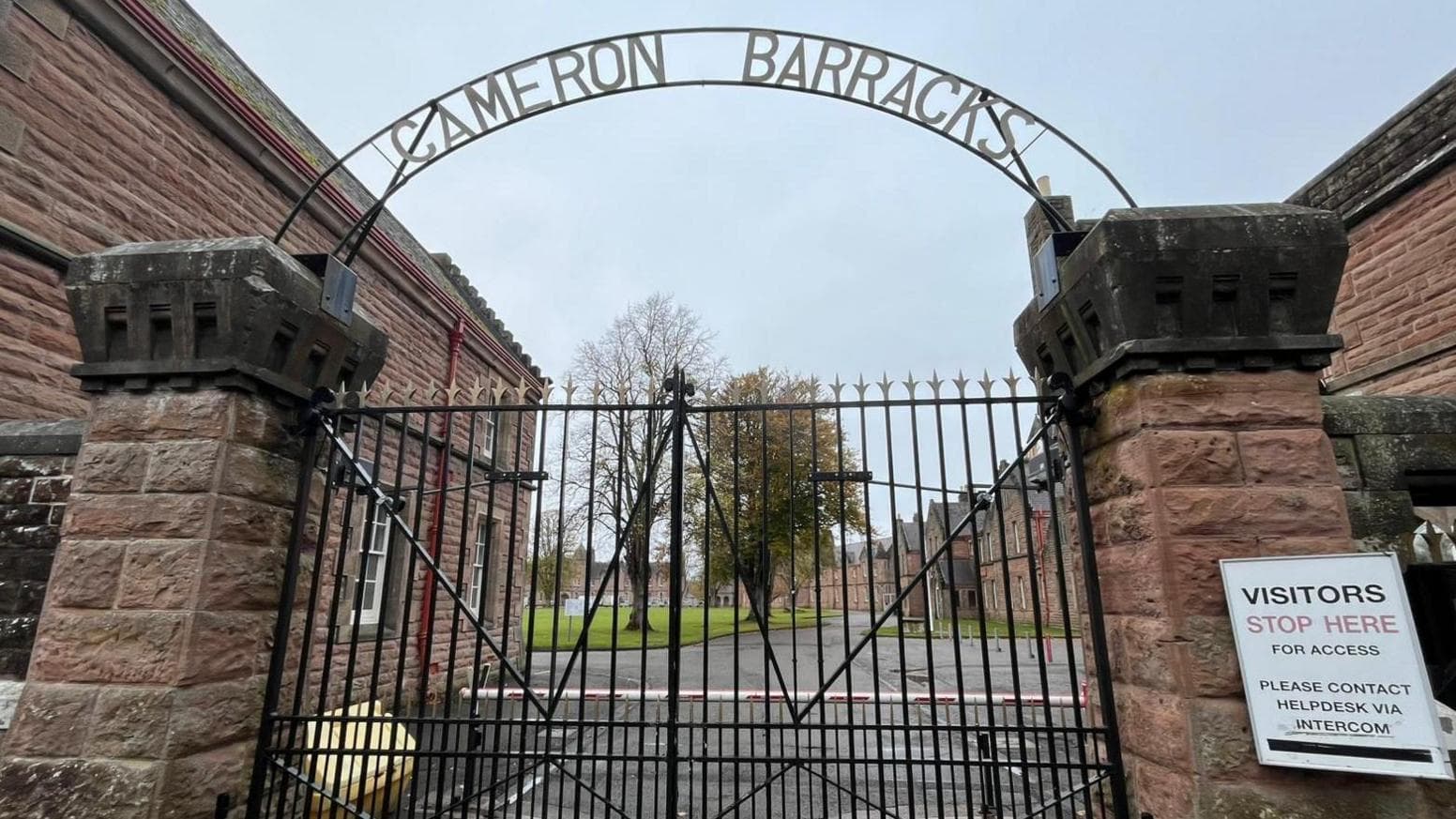
The Home Office is set to place the first group of asylum seekers into a military site at Crowborough, East Sussex early in the new year, marking the first visible step in a policy intended to reduce the government reliance on hotels. Officials say the transfer forms part of a strategy first announced in 2022 to move asylum accommodation towards large sites such as former military facilities and waterborne vessels including barges and cruise ships.
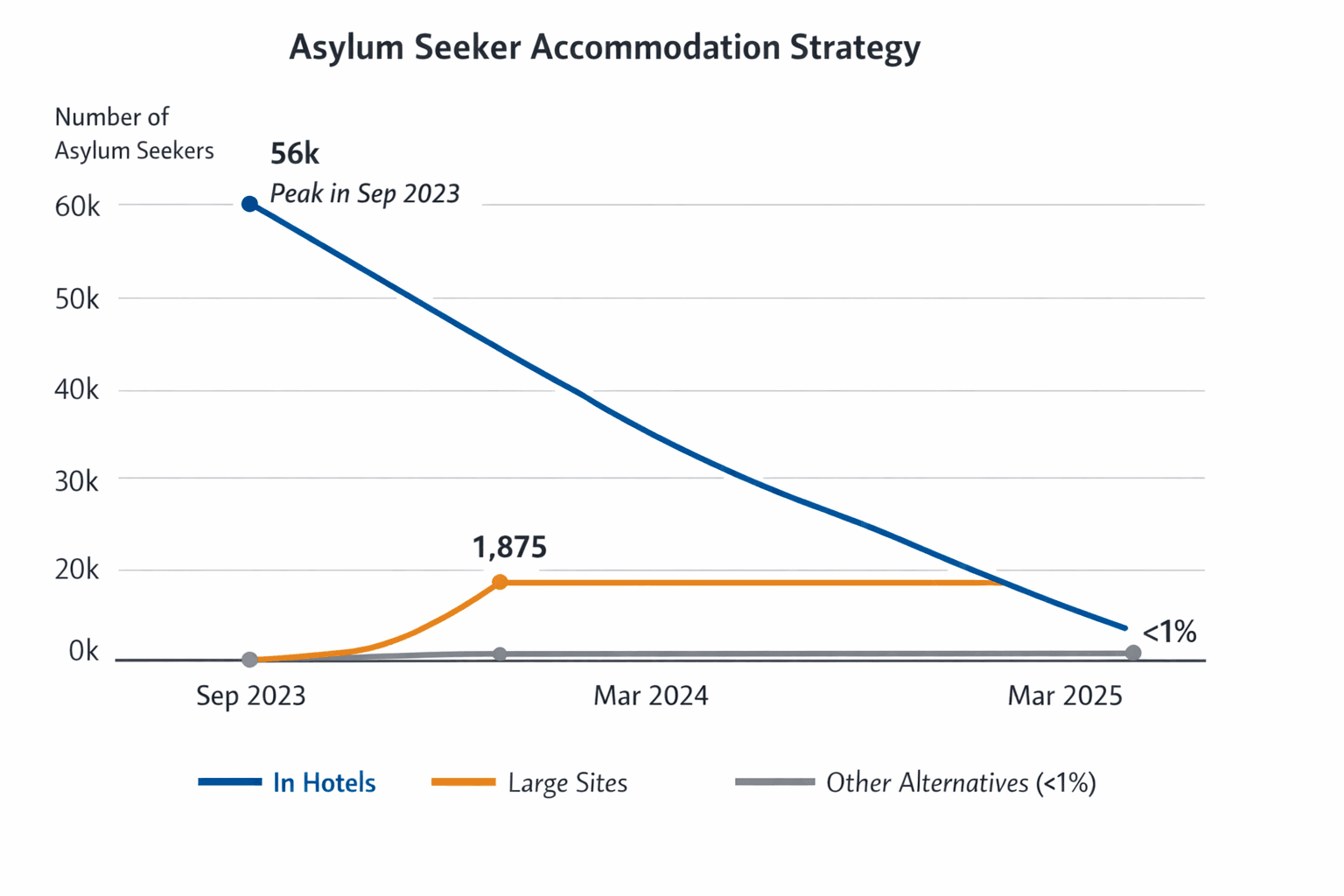
The strategy originally envisaged housing 1,875 people on such large sites, but take up has been negligible to date. Home Office data show alternatives including former barracks and waterborne vessels accounted for less than 1 percent of asylum accommodation as of March 2025, with only a small number of people then living on large sites.
Hotels were introduced at scale only relatively recently and have been expensive to operate. Use of hotels peaked in September 2023 when more than 56,000 asylum seekers were accommodated in over 400 hotels. By March 2025 those figures had fallen to 32,345 people in 218 hotels, reflecting both cheaper placements and an effort to concentrate residents. For the financial year 2024 25 hotels cost on average six times more than other forms of asylum accommodation. Analyses show a modest fall in the per person equivalent cost of hotels from £176 per person per night to £170, while the Home Office reports reducing nightly rates by increasing occupancy and cutting the average paid nightly rate from £162 to £119 between April 2024 and March 2025.

The procurement model has long been a point of contention. Since 2012 the Home Office has contracted private companies to source and manage asylum accommodation, largely excluding local authorities from procurement roles, and research has suggested standards have declined under that model. A contractual clause allows an early break in accommodation contracts in 2026, a change that some commentators argue could open the door to reform. Any substantive transfer of responsibility back to councils would however depend on the level of financial support the Home Office is willing to provide given heavy pressures on local government budgets.
The government remains bound by a statutory duty under the Immigration and Asylum Act 1999 to provide accommodation for asylum seekers who would otherwise be destitute. That obligation sits alongside broader international commitments under refugee and human rights instruments and will shape judicial and political scrutiny of how new sites are run.
Local opposition has been pronounced. Councils and residents near proposed sites have protested plans, and there have been clashes with police deploying riot shields in some instances. Advocates point to the UKs Syrian and Afghan resettlement schemes as models where organised partnerships with local authorities helped integrate arrivals, and they say similar collaboration and funding will be essential if Crowborough is to be sustained without eroding standards.
Key questions now include whether the Crowborough move signals a genuine scaling up of large site provision, how the Home Office will ensure standards and oversight, whether councils will be re engaged and properly funded, and whether the 2026 contract clause ushers in procurement reform. The precise arrival date has not been published, but the transfer in the early new year will be watched closely for its human, fiscal and political consequences.
This article was produced by Prism’s automated news system from verified source data, official records, and press releases, then run through automated quality and moderation checks before publishing. The system is built and supervised by the people who set the standards it runs under. Read our full AI policy.
Did this article answer your question?