Hormuz blockade threatens global energy supplies after Iran talks fail
A blockade of Hormuz sent crude above $104 as Iran threatened Gulf ports, raising the risk of a wider energy shock that could hit oil, gas and global growth.
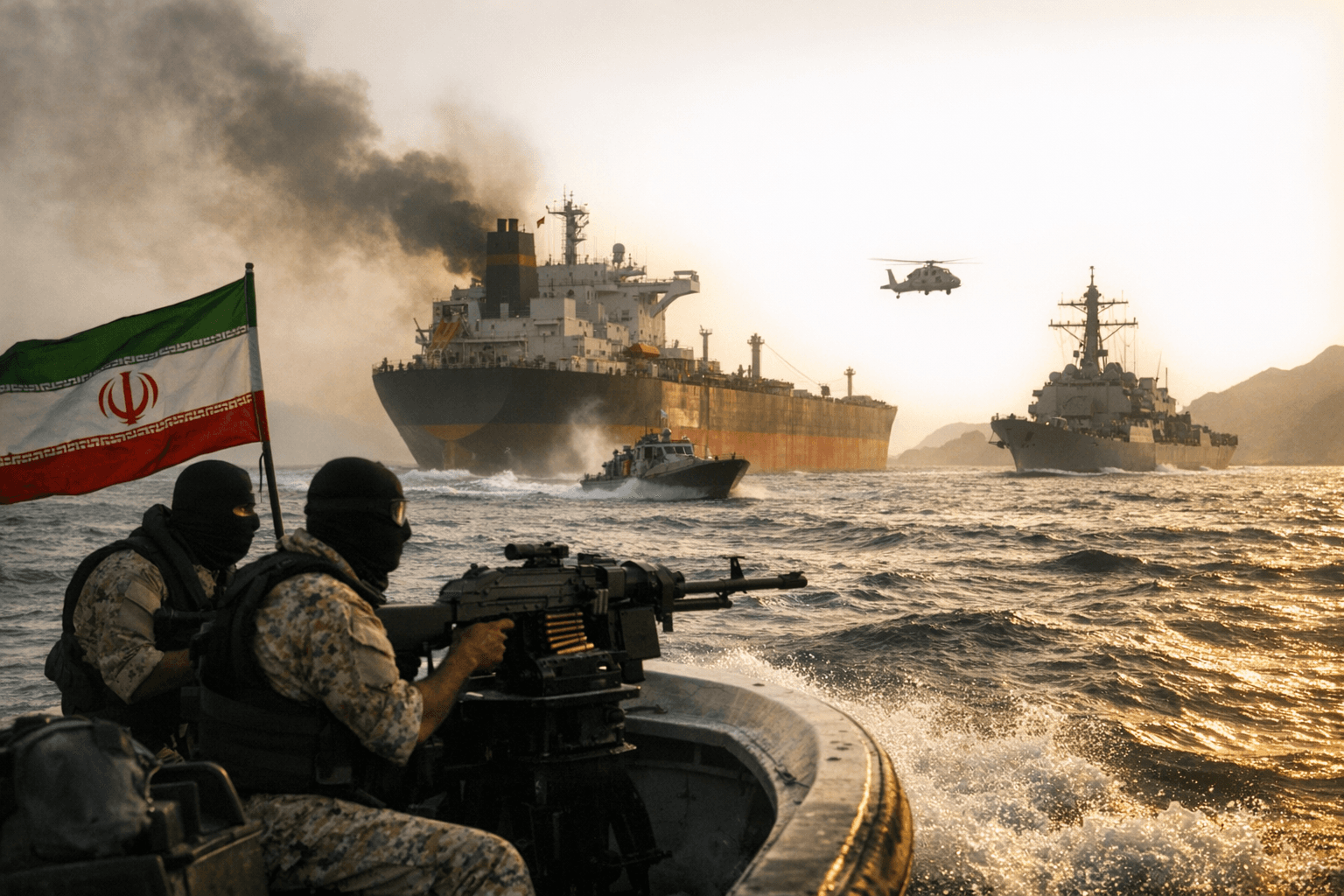
The Strait of Hormuz is becoming the world’s most dangerous energy chokepoint again. After peace talks with Iran in Islamabad failed, Donald Trump announced a naval blockade and the U.S. military began blocking maritime traffic to and from Iranian ports on Monday, raising the risk that retaliation could spread beyond Iran into the shipping lanes and energy infrastructure that keep global markets supplied.
The danger is not abstract. The International Energy Agency says an average of 20 million barrels a day of crude oil and oil products moved through Hormuz in 2025, and the strait is only 29 nautical miles wide at its narrowest point, with two-mile-wide channels in each direction. The U.S. Energy Information Administration has said flows of crude oil and condensate through the strait fell by 1.6 million barrels a day between 2022 and 2024, which means the system is already less flexible than it was before the latest confrontation.
Markets initially treated the escalation as a shock to absorb, not a crisis to reprice for long. U.S. crude climbed above $104 a barrel and Brent topped $102 after the blockade announcement. That move matters because even a short interruption would not just tighten crude supplies; it would reverberate through gasoline, diesel, shipping, and electricity costs, while higher transport and fuel bills would add pressure to already sticky inflation.
Iran responded with a direct threat of its own. Reuters reported that Tehran warned it would strike ports across the Persian Gulf if its own shipping hubs were threatened, which raises the prospect of a broader confrontation involving the United Arab Emirates, Qatar and other Gulf neighbors whose ports and terminals sit on the front line of the dispute. If the crisis widens, the damage would not stop at oil tanks and loading berths. Insurance premiums for ships crossing the region would rise, more vessels would avoid the route, and delays would ripple through Asia’s import systems.
That exposure is especially acute because Hormuz also carries about 110 billion cubic meters of liquefied natural gas a year, nearly a fifth of global LNG supply. Any interruption would hit gas markets as well as oil, pressuring power generation, fertilizer production and industrial supply chains from the Gulf to East Asia. The EIA said in an April 7 outlook that if Hormuz remains closed, production shut-ins could fall to 6.7 million barrels a day in May, a sign that the economic damage could linger even if the blockade is later eased.
Three supertankers already exited the Gulf through Hormuz on April 11, before the blockade took effect, a sign that shippers were moving as though the route had become a risk zone. For China, India, Japan and other major importers, the strategic cost is clear: keep the strait open, or pay for a shock that could spread far beyond Iran.
This article was produced by Prism’s automated news system from verified source data, official records, and press releases, then run through automated quality and moderation checks before publishing. The system is built and supervised by the people who set the standards it runs under. Read our full AI policy.
Did this article answer your question?