Hospice-bound Derby Bob attends 80th straight Kentucky Derby with escort
An 89-year-old hospice patient made it to Churchill Downs in time for his 80th straight Derby, riding under police escort for one last cherished tradition.

Hospice and the Kentucky Derby met on the same road Saturday when Bob Weihe, an 89-year-old Louisville native, reached Churchill Downs for his 80th straight run for the roses. Kentucky State Police escorted Weihe and his wife, Barbara, from home to the track after a video shared by CBS correspondent David Begnaud brought attention to his wish to see the race one more time.
The visit gave Weihe a final chapter in a streak that began in 1947, when he attended his first Derby at age 9 with his mother. Accounts of that day say she told him to crawl through a crowded rail area to catch a glimpse of the horses, a memory that helped set the course for a lifetime of devotion to Louisville’s signature race. Over the decades, family members and Derby regulars preserved the arc of that loyalty with photos, newspaper clippings and memorabilia that documented nearly eight uninterrupted decades at Churchill Downs.
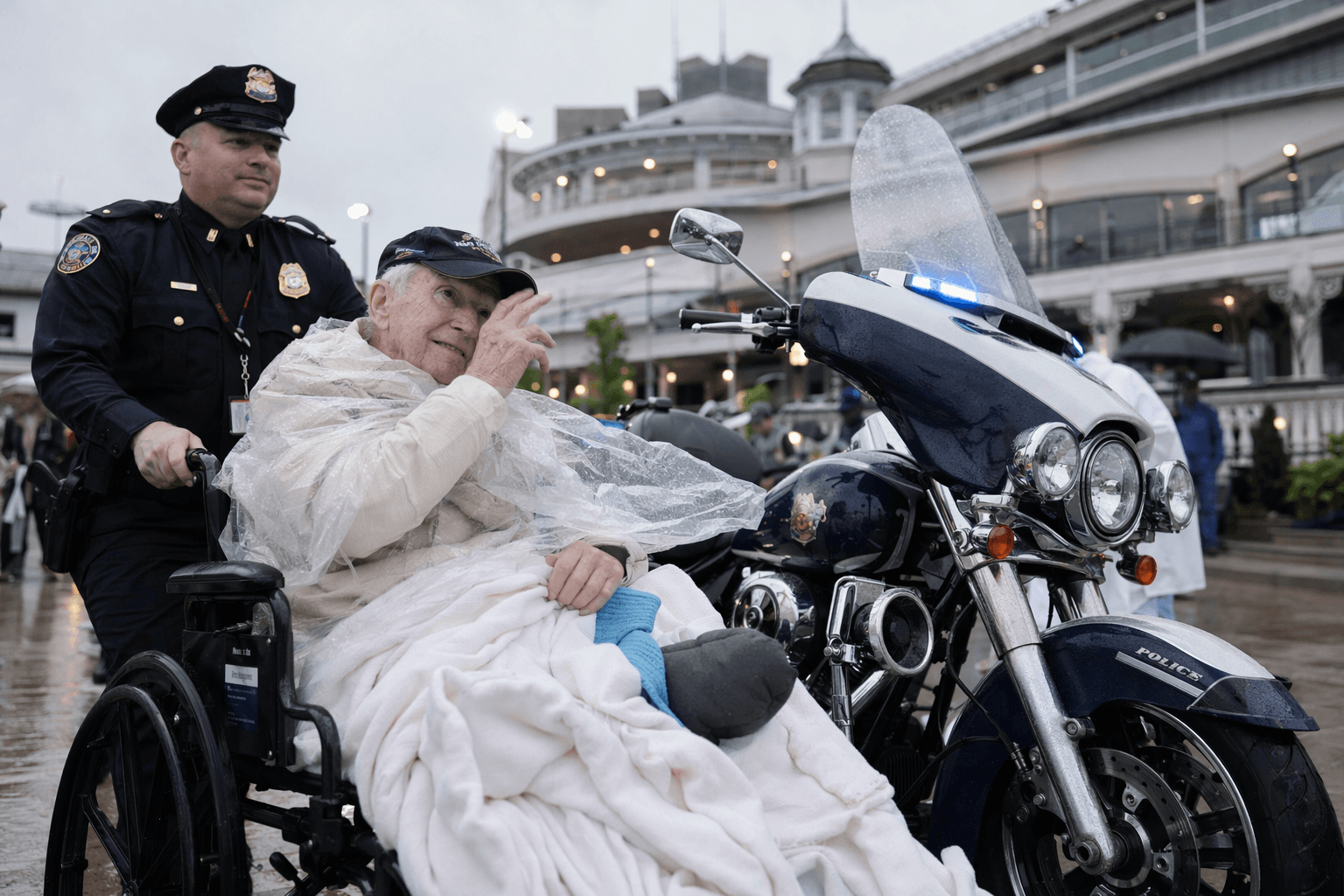
By the time Weihe arrived for the 152nd Kentucky Derby, his nickname was already part of the story. ESPN described him as “Derby Bob,” a man known for showing up through bitter cold, heavy rain and punishing heat. His attendance became more than a personal habit. It became a family marker, one that tied together generations of Louisville racing history and helped turn a public sporting event into a private ritual of memory and identity.
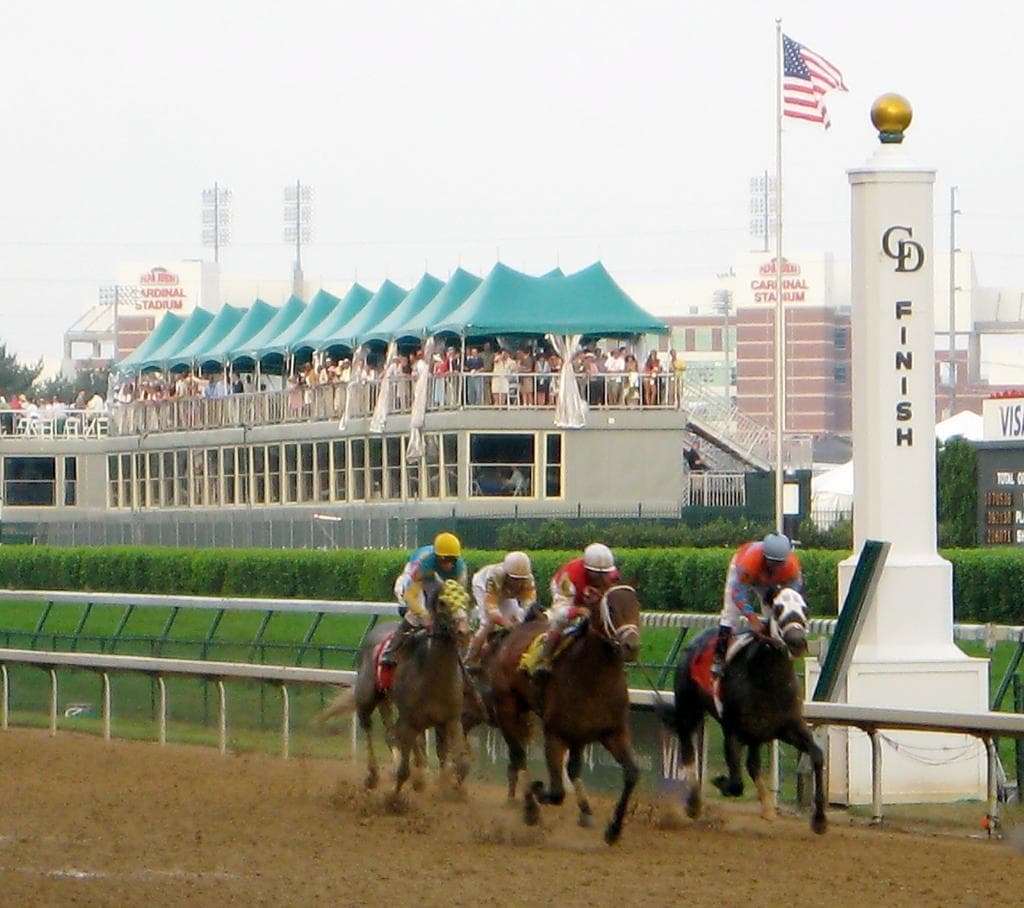
Churchill Downs arranged tickets after Weihe’s wish gained attention, giving him a place in the grandstand for one more Derby. The race itself carried its own place in American sports tradition as the 152nd running of the Kentucky Derby, the first leg of the Triple Crown. On the track, Golden Tempo won the race, but for many in the stands, Weihe’s arrival was the day’s defining moment.
The scene underscored how beloved public events can take on deep meaning at the end of life. For Weihe, the Derby was not simply a spectacle to watch once a year. It was a lifetime marker, a ritual rooted in family, weathered through changing seasons and carried into hospice care with the help of his wife, state troopers and a racing community that understood what one more trip to Churchill Downs meant.
This article was produced by Prism’s automated news system from verified source data, official records, and press releases, then run through automated quality and moderation checks before publishing. The system is built and supervised by the people who set the standards it runs under. Read our full AI policy.
Did this article answer your question?
.jpg&w=1920&q=75)