Hotels Pose 60% Higher Workplace Injury Risk Than Restaurants
Hotel workers face substantially higher injury rates and more severe incidents than restaurant staff, a risk gap that affects pay, staffing and safety priorities.
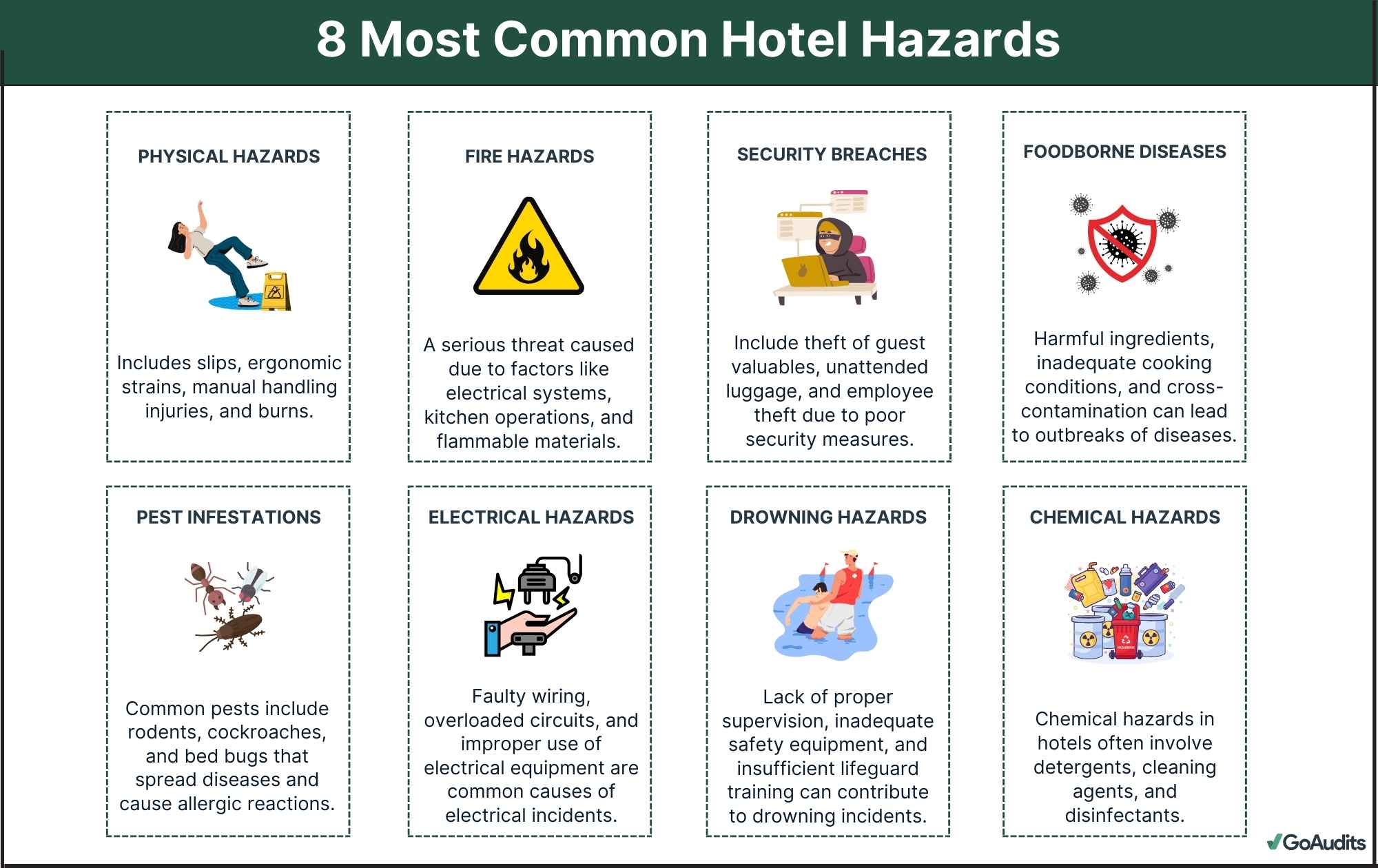
Hotel employees experience markedly higher workplace injury rates than restaurant workers, according to an analysis by OysterLink of Bureau of Labor Statistics data. The hospitality job platform found an injury incidence of 3.8 cases per 100 workers in the Accommodation sector, compared with an average of 2.4 per 100 across food services. Those rates translate into sustained safety gaps for back-of-house roles and front-line hotel staff.
OysterLink’s breakdown shows the risk is not uniform across food service. Limited-service restaurants had an injury rate of 2.6 per 100 workers, while full-service restaurants posted 2.2 per 100. That gap mirrors the operational differences between quick-service kitchens and sit-down dining rooms: higher throughput and repetitive tasks in fast-food outlets raise the chance of recordable incidents. “The speed and volume of quick‑service environments are clearly driving higher injury rates. In fast‑food settings, the combination of high‑speed throughput and repetitive tasks creates a much higher probability of a recordable incident compared to traditional sit‑down dining,” said Milos Eric, General Manager at OysterLink.
Severity amplifies the concern in lodging. OysterLink reports that over 60% of the injuries recorded in hotels result in days away from work, a common BLS measure of case severity. Industry accounts and the platform link many of those injuries to housekeeping and luggage handling - physically demanding tasks that involve heavy lifting, awkward postures and repetitive motion. Housekeepers, bell staff and maintenance crews confront the twin risks of frequent manual handling and episodic heavy loads when rooms turn over or guest volumes spike.
The practical impact is immediate for workers and employers. Higher injury rates and more severe cases can drive lost wages, medical bills and reduced scheduling reliability for affected staff. For operators, frequent days-away cases raise workers compensation costs and complicate staffing in tight labor markets. “Workers are looking for more than just a paycheck; they're looking for environments that prioritize their well‑being,” Milos Eric said. He added that safety improvements carry recruiting value: “For employers in high‑risk zones like hotels and fast food, improving safety protocols isn't just about compliance - it's a critical tool for hiring in a competitive market.”

The OysterLink analysis comes from the platform, which connects hospitality employers and candidates and reports sizable web traffic. The release highlights a broader point: while some reports say the national private-sector injury rate is at a historic low, subsectors such as hotels and quick-service restaurants remain above that norm.
OysterLink’s material does not disclose the specific BLS table numbers or the precise arithmetic used to produce the headline comparison, so further detail on denominators and occupational breakdowns would clarify which jobs within lodging are most exposed. For workers, the takeaway is clear: housekeeping and luggage handling present persistent hazards, and quick-service kitchens carry higher incident risk than full-service dining. For operators, investing in safer handling protocols, training and staffing adjustments is likely to reduce days-away cases and improve retention as the labor market tightens.
Know something we missed? Have a correction or additional information?
Submit a Tip