House backs pig confinement bill, Senate signals it will drop it
The House put pig confinement preemption into a 224-200 farm bill vote, but the Senate says it will leave Save Our Bacon out.

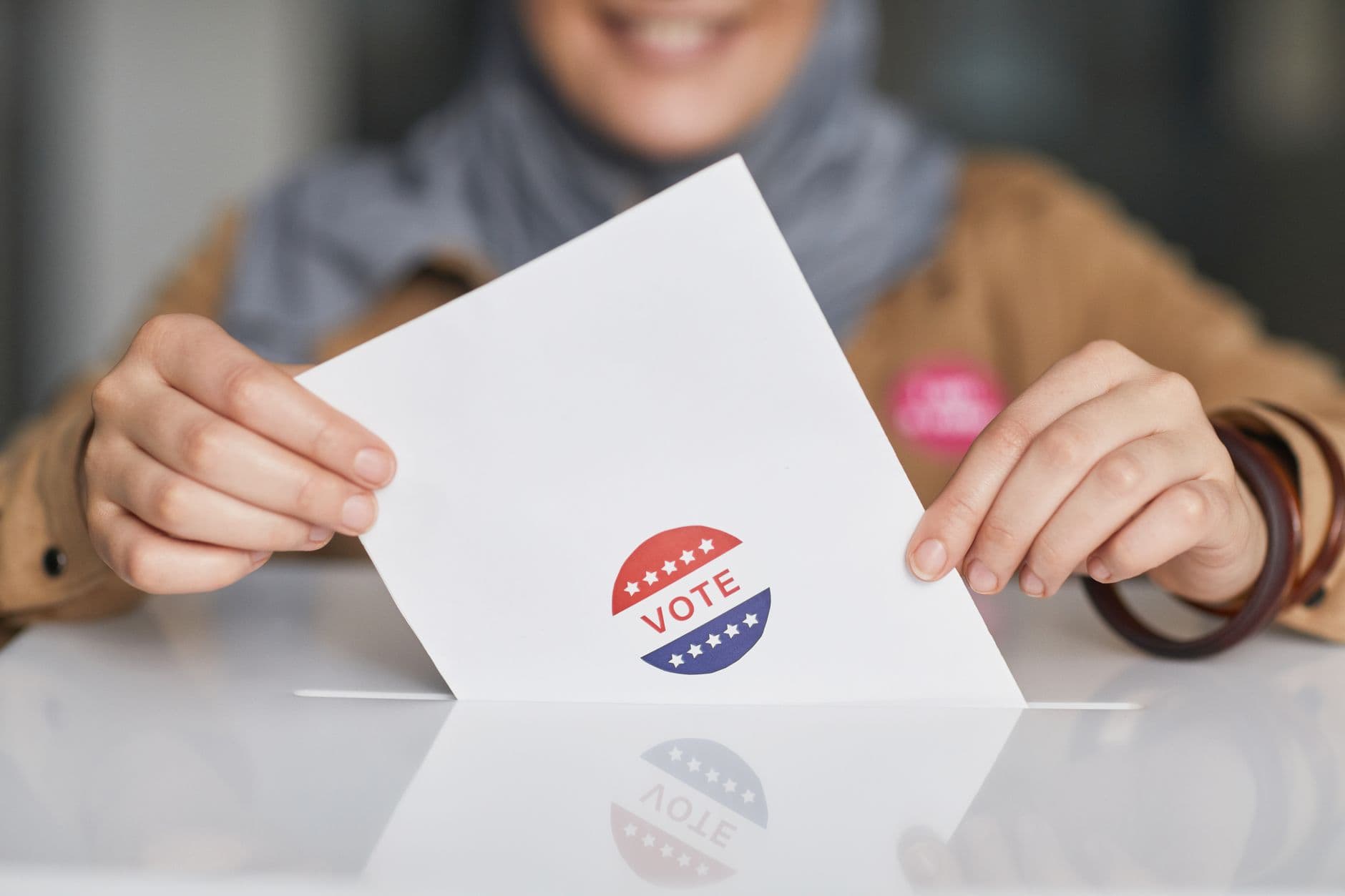
The House gave pork producers a new federal opening to challenge state animal-welfare rules, but the Senate has already signaled that the fight will not carry into its farm bill draft. By folding the Save Our Bacon language into the 2026 farm bill and passing it 224 to 200 on April 30, lawmakers put Washington squarely between industrial pork production and the states that have tried to dictate how breeding pigs are housed.
The bill, introduced by U.S. Rep. Ashley Hinson, Republican of Iowa, on July 23, 2025, would undercut rules like California Proposition 12, approved by voters in 2018. That law bars the in-state sale of pork from breeding pigs kept in confinement so tight that the animals cannot lie down, stand up, fully extend their limbs or turn around freely, and it requires at least 24 square feet of space. The U.S. Supreme Court upheld Proposition 12 in a 5-4 decision on May 11, 2023, rejecting the industry’s dormant Commerce Clause challenge and leaving states with some authority to set market conditions for pork sold inside their borders.
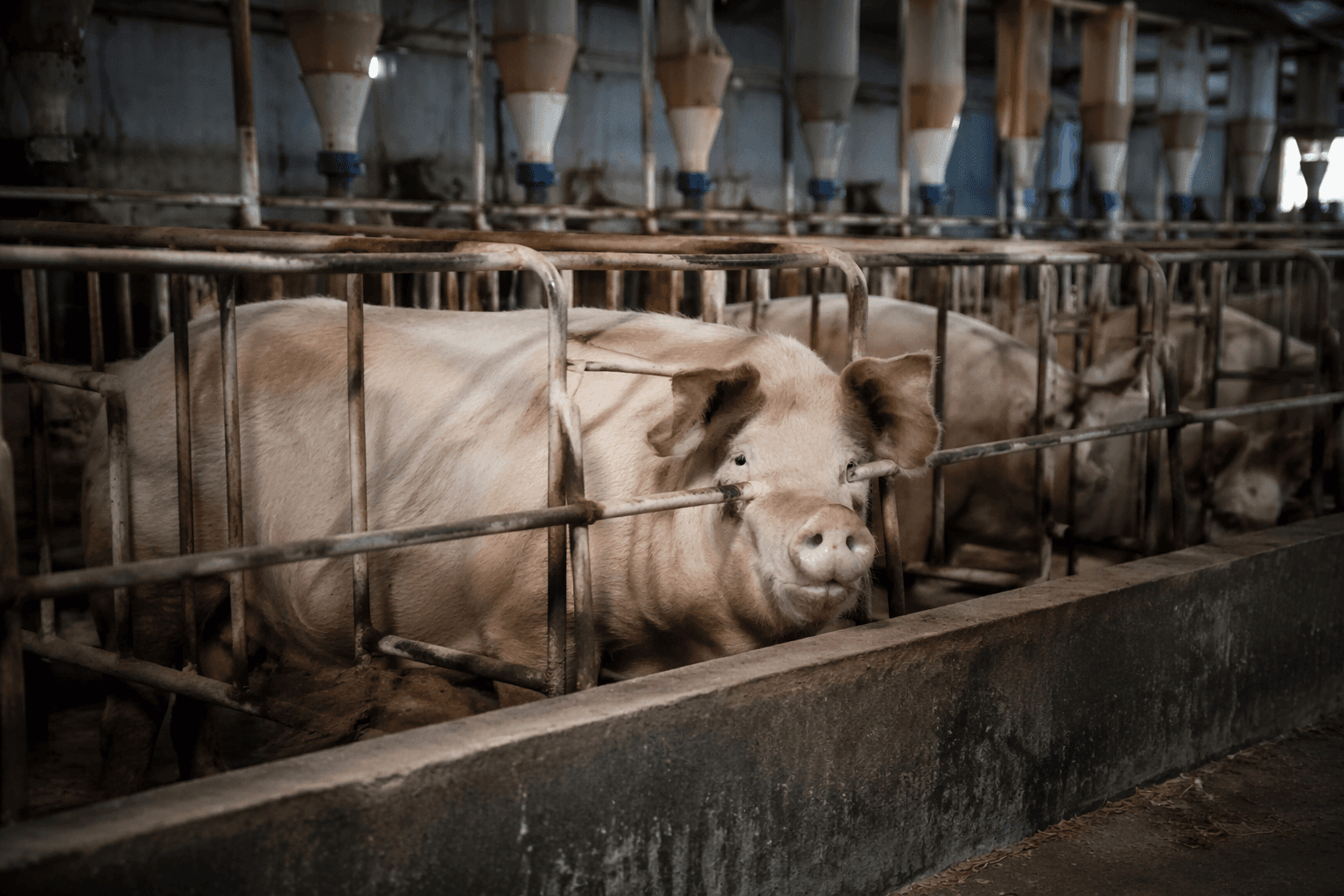
That ruling made California and Massachusetts, where voters approved a similar measure, Question 3, in 2016, central battlegrounds in a wider national dispute over who controls the terms of food production. Supporters led by the National Pork Producers Council say Save Our Bacon would protect family farms from a patchwork of conflicting state rules and give producers certainty in interstate commerce. The economic appeal is obvious: if one federal rule replaced a growing list of state standards, large pork operators could plan around a single production model rather than redesign housing systems for different markets.
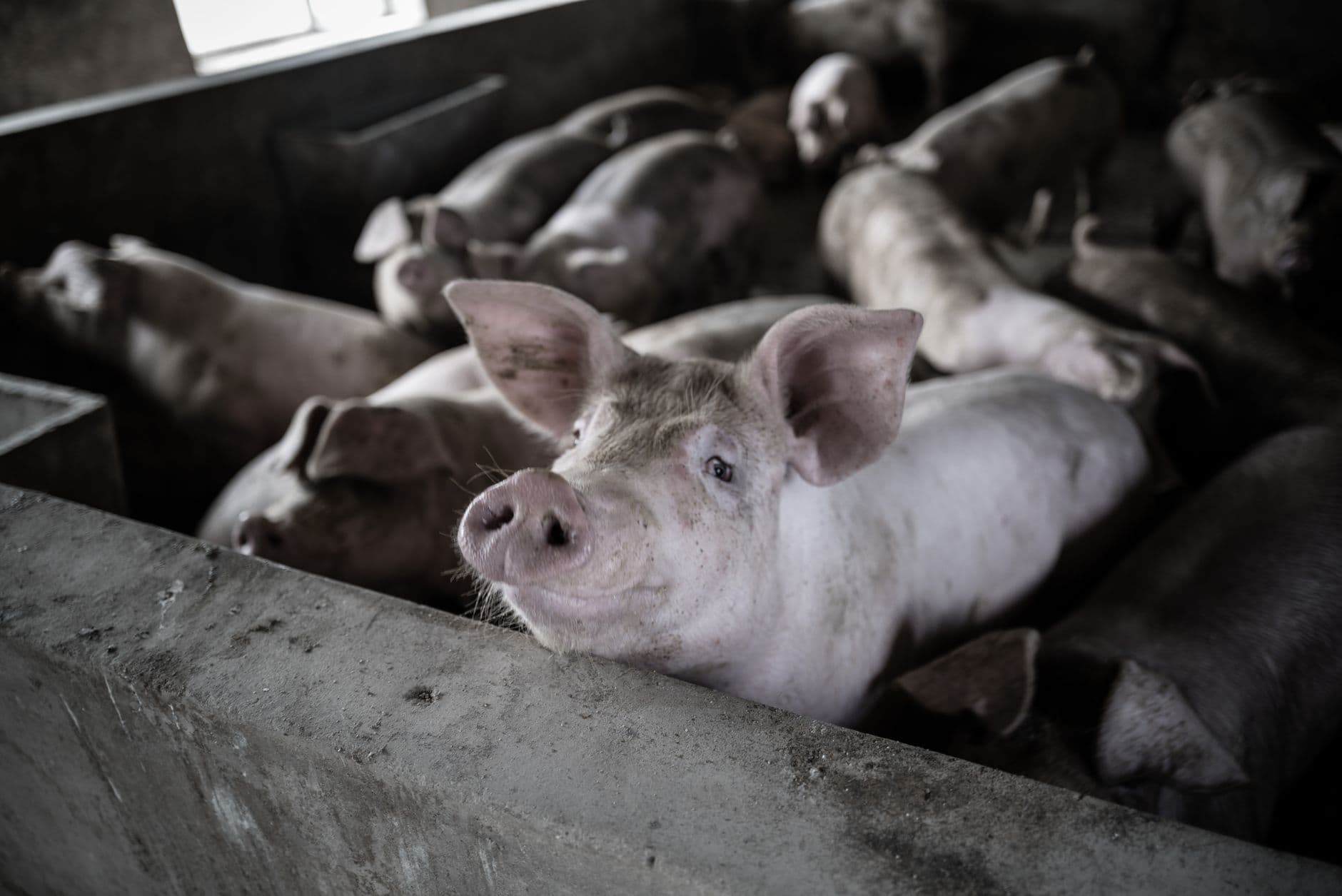
Critics see the same bill as a transfer of leverage away from states and toward the biggest confinement operations. They argue it could wipe out hundreds of state and local animal-protection laws and lock in the lowest-cost production system by preventing states from using their own markets to demand different treatment for breeding pigs. In that view, the savings do not disappear, they are simply shifted, with consumers, workers and public-health advocates left to absorb the consequences of a model built around extreme confinement.
The next step is already clear. Senate Agriculture Chair John Boozman has said the Senate draft will not include Save Our Bacon language, leaving the House vote more symbolic than settled. For now, the confrontation is a sharp test of whether national food policy will continue to favor industrial efficiency, or whether states like California and Massachusetts will keep using their markets to set higher standards for what comes to dinner.
This article was produced by Prism’s automated news system from verified source data, official records, and press releases, then run through automated quality and moderation checks before publishing. The system is built and supervised by the people who set the standards it runs under. Read our full AI policy.
Know something we missed? Have a correction or additional information?
Submit a Tip