House Committee Advances Bill Ensuring Pay For Air Traffic Controllers
A House committee unanimously advanced legislation to guarantee continued pay for air traffic controllers and essential FAA staff during future government funding lapses, a direct response to operational chaos during a 43 day appropriations lapse. The measure reshapes the agency s funding tools and raises questions about oversight of a fund originally intended for insurance claims, making the stakes relevant to travelers, aviation workers, and federal budget processes.

The House Transportation and Infrastructure Committee on Thursday advanced the Aviation Funding Solvency Act by unanimous voice vote, moving a bipartisan plan to ensure air traffic controllers and other essential Federal Aviation Administration aviation staff continue to be paid during future federal funding lapses. Committee leaders said the measure was aimed at preventing the staffing shortfalls and flight reductions that disrupted travel during a recent 43 day lapse in appropriations.
Under the bill, the FAA would be permitted to draw on the Aviation Insurance Revolving Fund to cover payroll for controllers and designated aviation personnel during a lapse in appropriations. The account was created to cover insurance claims filed by airlines activated under the Civil Reserve Air Fleet, the voluntary program that supplements military airlift capacity with civilian aircraft in crises. Lawmakers and aviation industry representatives acknowledged that repurposing the fund for payroll in emergency circumstances constitutes a significant change in how the account would be used.
Committee Chair Representative Sam Graves of Missouri offered and adopted a substitute amendment that lawmakers described as making a minor technical change to the underlying language. Graves framed the bill as protecting workers from untenable choices caused by shutdowns, saying, “This bill ensures that no air traffic controller or FAA professional will have to decide between showing up to do their day job or taking a side job to ensure that they can continue to provide for their families.” Ranking Member Representative Rick Larsen of Washington joined in advancing the measure and emphasized the bipartisan approach the committee employed.
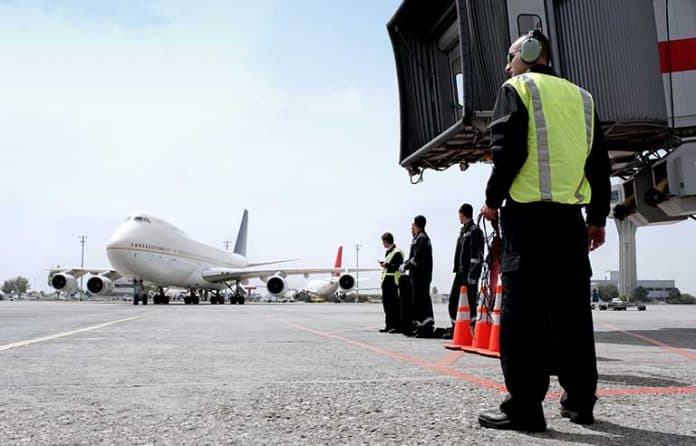
The legislation follows substantial operational disruptions during the protracted funding lapse, when controller absences and FAA imposed flight cuts contributed to widespread delays and cancellations affecting millions of passengers and tens of thousands of flights. Airlines and major industry groups strongly supported the bill, arguing that insulating aviation safety staff from funding uncertainty would reduce the risk of the kind of travel chaos witnessed during the extended lapse.
FAA Administrator Bryan Bedford defended the agency s prior decision to reduce operations during the shutdown in a letter to Congress, citing safety data. He wrote that “data began to show a potential safety risk at certain high impact airports,” and that decreasing operations “during an uncertain and stressful time was the right decision.” Those safety concerns were central to lawmakers reasoning in weighing whether to alter the FAA s funding authorities.
At the same committee meeting members also advanced a separate bill that would require the FAA to approve supersonic commercial transport by April 2027 if specified conditions are met. Committee leaders presented the measures as part of a broader slate addressing aviation safety, funding solvency, environmental priorities and modernization across transportation modes.
The Aviation Funding Solvency Act now moves to the full House for consideration under that chamber s legislative process. The measure will test how lawmakers reconcile short term operational fixes with longer term appropriations discipline, and it will likely prompt scrutiny of the Aviation Insurance Revolving Fund s balance, legal authorities governing its use, and the oversight mechanisms Congress will attach to any new spending flexibility.
This article was produced by Prism’s automated news system from verified source data, official records, and press releases, then run through automated quality and moderation checks before publishing. The system is built and supervised by the people who set the standards it runs under. Read our full AI policy.
Did this article answer your question?