House Ethics Panel Finds Rep. Cherfilus-McCormick Guilty of 25 Ethics Violations
A bipartisan House panel found Rep. Cherfilus-McCormick guilty of 25 ethics violations tied to $5M in alleged FEMA fund misuse after a hearing that ran past midnight.
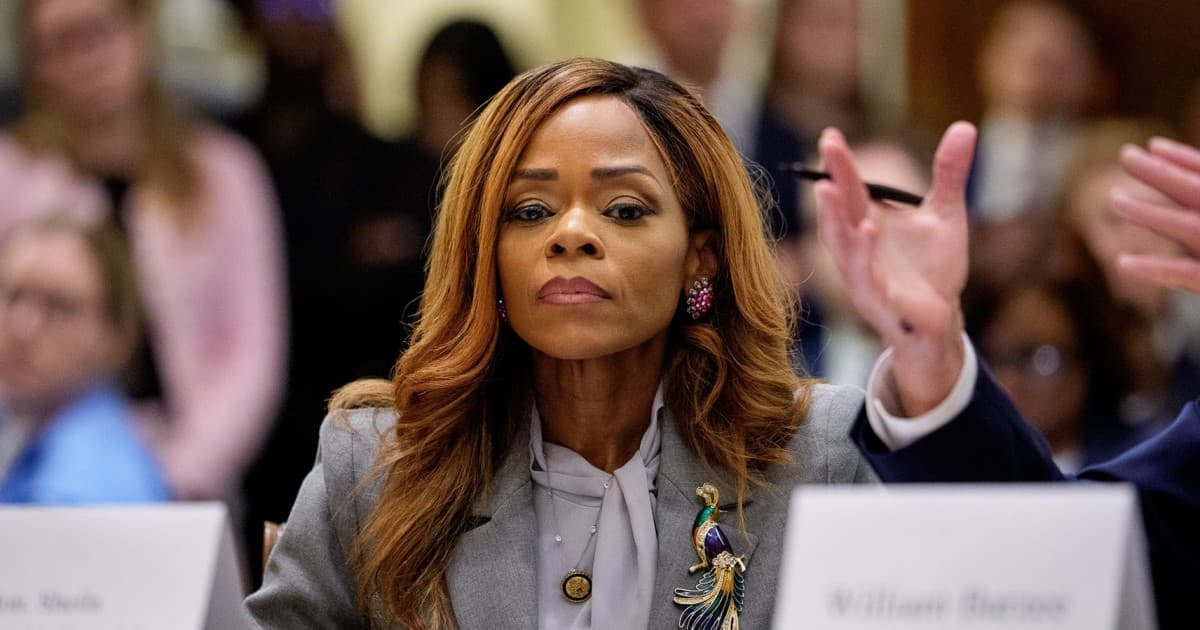
Federal disaster relief funds intended for vulnerable Americans allegedly bankrolled a congressional campaign instead. That is the core of what a bipartisan House Ethics subcommittee concluded on March 27, finding Rep. Sheila Cherfilus-McCormick guilty of 25 of 27 ethics violations after a nearly seven-hour televised hearing that stretched past midnight into the early morning hours.
The adjudicatory subcommittee, which sifted through more than 33,000 documents and conducted 28 witness interviews during a probe spanning multiple years, said the findings were supported by "clear and convincing evidence." The panel found Counts 1 through 15 and 17 through 26 of the Statement of Alleged Violations proven. "After careful deliberation that lasted until well past midnight, the adjudicatory subcommittee found that Counts 1-15 and 17-26 of the SAV had been proven," the committee statement read.
The alleged misconduct maps onto three broad categories: diverting millions in federal relief funds, including FEMA money, for personal or political use; apparent misstatements in campaign and House financial disclosures; and the improper receipt and commingling of personal and campaign funds. At the center of the criminal case running parallel to these proceedings is an allegation that Cherfilus-McCormick funneled FEMA overpayments distributed through Trinity Healthcare Services, her family's company, to finance her successful 2021 special election campaign.
The Justice Department indicted Cherfilus-McCormick in November on charges alleging she misappropriated roughly $5 million in disaster relief funds. She has pleaded not guilty to those criminal charges. The Ethics subcommittee's adjudicatory finding is a civil, institutional determination and legally distinct from the federal criminal process, but its political consequences could arrive far sooner than any verdict in a courtroom.

Lawmakers from both parties reacted sharply after the ruling. Some Democrats called on Cherfilus-McCormick to resign or urged House leadership to consider expulsion proceedings. Republicans indicated they may pursue a formal effort to remove her from the chamber. In a Friday morning statement, Cherfilus-McCormick rejected the findings: "I look forward to proving my innocence. Until then, my focus remains where it belongs: showing up for the great people of Florida's 20th District who sent me to Washington to fight for them."
The Ethics Committee is expected to convene after the House recess to weigh potential sanctions, with a formal recommendation to the full House anticipated in April. The options on the table range from censure and removal from committees to expulsion, the most severe remedy in the House's disciplinary arsenal. Expulsion remains extraordinarily rare; the chamber expelled Rep. George Santos in 2023, one of the very few members removed before a criminal conviction in modern congressional history. If Cherfilus-McCormick is expelled or resigns, Florida's 20th District would require a special election to fill the vacant seat.
The public nature of Thursday's adjudicatory hearing was itself notable. Such proceedings are uncommon, and the decision to conduct the session on camera heightened scrutiny of both the evidence and the process. The findings now frame the harder question that ethics panels historically struggle to answer: whether documented misconduct produces meaningful institutional consequences. The April recommendation and any subsequent floor vote will determine whether 25 counts of proven violations, deliberated past midnight before a national television audience, ultimately result in accountability or another entry in a long record of unresolved congressional discipline.
Know something we missed? Have a correction or additional information?
Submit a Tip

