House passes FISA Section 702 extension, Senate fight looms over digital currency ban
A 235-191 House vote advanced a 3-year Section 702 renewal, but a digital currency ban all but doomed it in the Senate.
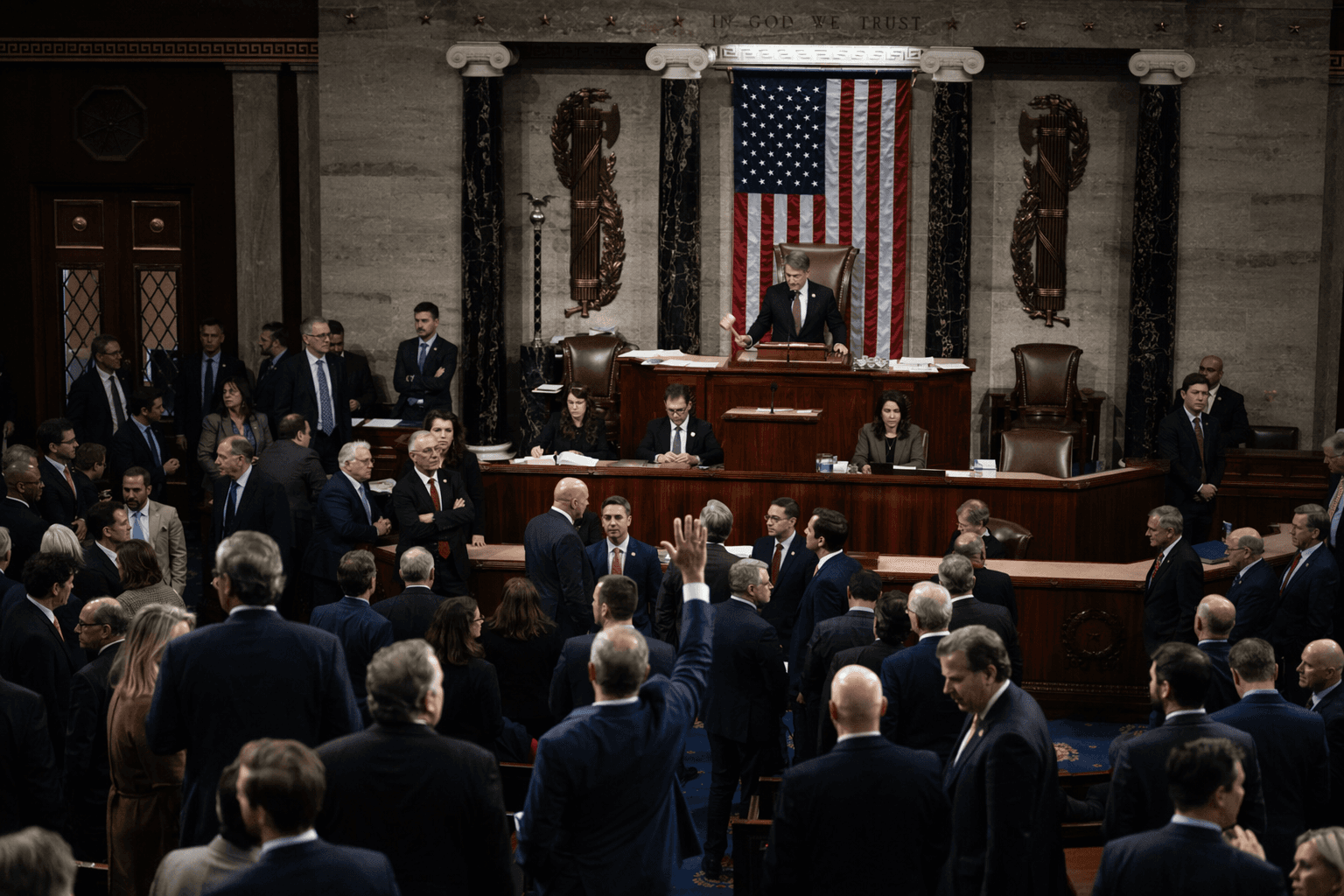
The House pushed Section 702 toward another temporary lifeline on Wednesday, but the bigger fight was not over surveillance alone. By tying the bill to a ban on a central bank digital currency, Republicans gave Senate leaders a reason to reject the package and forced Congress back to a short-term fix for one of Washington’s most controversial intelligence tools.
The House first approved a 3-year reauthorization of FISA Section 702 by 235-191, a vote that reflected bipartisan support even as several Democrats crossed over. The program lets the U.S. government collect the communications of foreigners outside the country, but it can also sweep up Americans’ messages. Critics have long objected that the FBI can search that database without a warrant using identifiers such as an email address, turning a foreign-intelligence authority into a domestic privacy fight.
Supporters argue the authority is indispensable for disrupting terrorist plots, cyber intrusions and foreign espionage. House Intelligence Chairman Rick Crawford said the bill had bipartisan backing and urged the Senate to move quickly, while Rep. Darin LaHood said he was “pleasantly surprised” by the vote. Privacy advocates in both parties continued to press for a warrant requirement that was left out of the House package, keeping the Fourth Amendment debate alive even as the legislation moved.
The Senate did not take up the House’s long-term bill. Instead, Senate leaders passed a 45-day clean extension by unanimous consent, then sent the issue back to the House. Senators had no appetite for the House-added CBDC ban, and Senate Majority Leader John Thune called the measure “dead on arrival.” The House then approved the stopgap 261-111 and sent it to President Donald Trump’s desk, pushing Section 702’s expiration into June and buying lawmakers more time.
The temporary patch did little to settle the underlying dispute over how much surveillance power the government should keep and what limits should apply when Americans’ communications are caught in the dragnet. Sen. Ron Wyden said he backed the short-term extension only after reaching a deal with Sens. Tom Cotton and Mark Warner for a declassification review of a secret Foreign Intelligence Surveillance Court opinion and order dated March 17, 2026. Publication is expected within 15 days. Rep. Chip Roy, meanwhile, criticized the Senate for “kicking the can down the road,” a fitting summary of a Congress that has repeatedly extended a powerful surveillance program without resolving the warrant question at its center.
This article was produced by Prism’s automated news system from verified source data, official records, and press releases, then run through automated quality and moderation checks before publishing. The system is built and supervised by the people who set the standards it runs under. Read our full AI policy.
Did this article answer your question?

