House passes housing package to cut costs and boost supply
House lawmakers backed a 358-32 housing package that caps large investors at 350 homes, but its biggest effects are likely to come through supply rules, not quick price cuts.
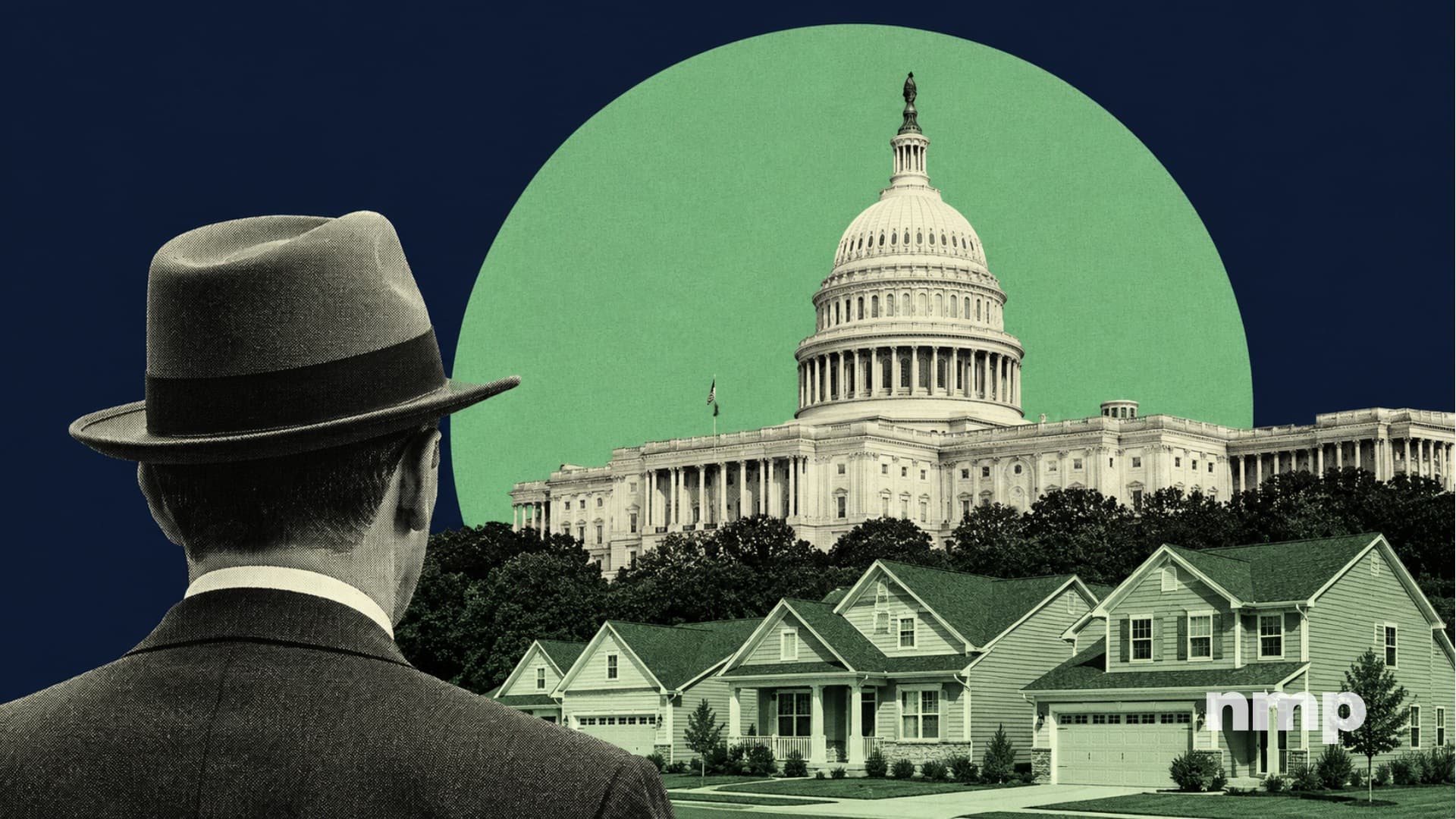
The House gave final approval to a sweeping housing package on June 23, sending the 21st Century ROAD to Housing Act to President Donald Trump’s desk after a 358-32 vote. The Senate cleared the bill 85-5 the day before, closing a months-long negotiation over H.R. 6644 that began with a House-passed version in February and ended with a compromise that merged pieces of the House bill and the Senate’s ROAD to Housing Act of 2025.
For would-be buyers, the bill’s most immediate promise is political as much as practical. The package aims to streamline some environmental reviews, expand federal block grants to states, and revise a rural housing program at the Agriculture Department, while also adding manufactured-housing, FHA small-dollar mortgage, housing-counseling and community-bank provisions. Congressional Research Service said the House version grew to six titles and 38 sections, while the Senate substitute ran to 11 titles and 43 sections, a sign of how many different housing complaints lawmakers tried to fold into one measure.
The clearest winner is likely to be builders and local developers that have long argued federal rules slow production. The National Association of Home Builders pressed for the bill on June 10, when more than 1,100 of its members met with lawmakers in Washington and urged changes that would remove a forced sale of build-to-rent housing and raise FHA multifamily loan limits. House negotiators dropped that forced-sale proposal before final passage, while keeping the broader push for more financing and more flexibility in local housing programs.
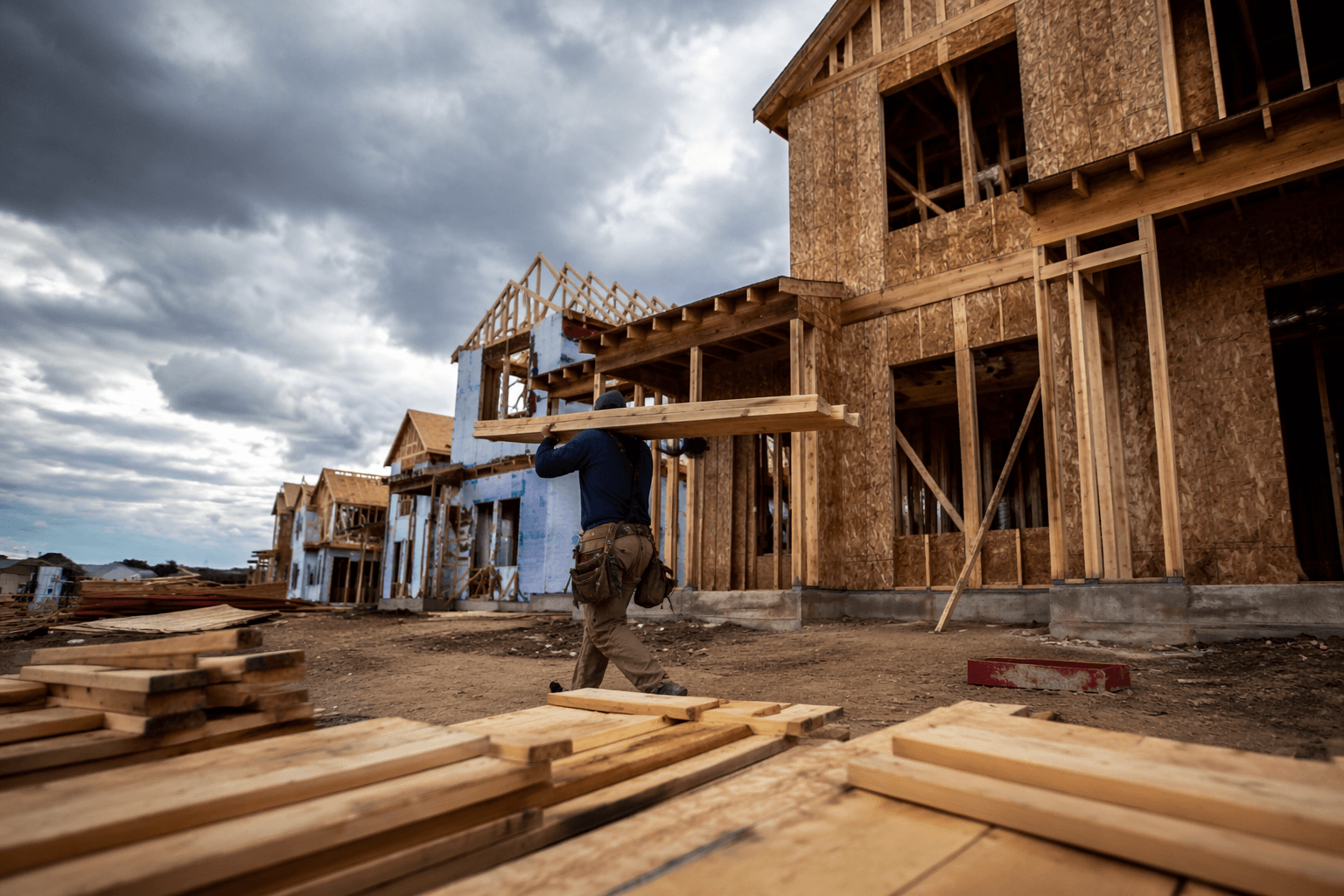
Renters and first-time buyers are less likely to feel instant relief. The 2026 National Low Income Housing Coalition gap report says three out of four households eligible for rental assistance receive no support, a reminder of how deep the shortage runs. Zillow’s December 2025 forecast projected home values would still rise 1.2 percent in 2026, with existing home sales reaching 4.26 million, suggesting the market was headed for only modest improvement even before the bill cleared Congress.
Institutional investors come out as the most direct losers. The final package limits large firms to 350 single-family homes, and the Senate version went further by adding a 15-year ban on new acquisitions above that threshold. Those provisions track closely with Donald Trump’s January 20 executive order aimed at stopping Wall Street from competing with Main Street homebuyers, making the bill one of the clearest legislative responses yet to the political backlash against corporate ownership in the single-family market. Even so, the package is more likely to shape the pace of supply and financing than to quickly cut prices, leaving the Senate fight over housing affordability to continue in the next round.
This article was produced by Prism’s automated news system from verified source data, official records, and press releases, then run through automated quality and moderation checks before publishing. The system is built and supervised by the people who set the standards it runs under. Read our full AI policy.
Know something we missed? Have a correction or additional information?
Submit a Tip