Houston funds expansion of behavioral health response for unhoused
Houston approved a nearly $949,000 grant to expand a Behavioral Health Response Team serving about 250 people at risk of homelessness. The move aims to connect residents to mental health, treatment and housing services.
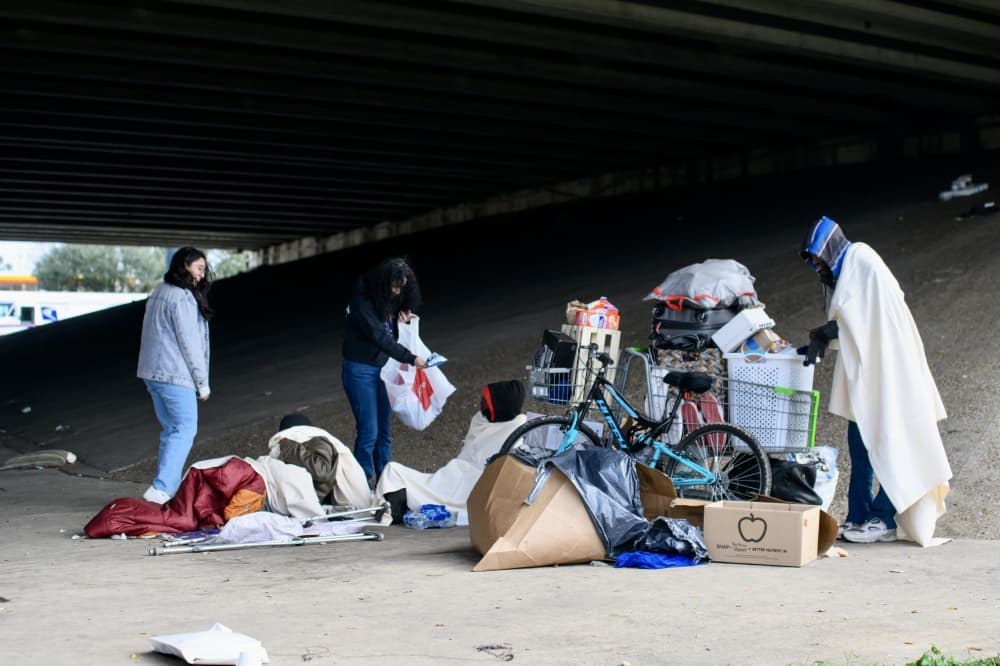
City officials approved a one-year grant on Jan. 7 to expand the Harris Center for Mental Health and IDD’s Behavioral Health Response Team (BHRT), directing nearly $949,000 toward outreach for people experiencing homelessness or at imminent risk of losing housing. The expanded BHRT is expected to reach roughly 250 individuals annually and link them to mental health care, substance-use treatment, job training and housing resources.
Funding for the grant combines HOME Investment Partnership Program dollars with allocations from the city’s End Street Homelessness Fund, reflecting a mix of federal housing assistance and local resources. The award runs through the end of 2026 and is part of broader municipal efforts to reduce visible street homelessness next year, including Mayor John Whitmire’s multi-million-dollar proposal aimed at cutting encampments and increasing shelter and services in 2026.
The BHRT expansion is designed to strengthen health-led responses to unhoused residents, prioritizing service connections over law enforcement interventions. The Harris Center will coordinate with The Way Home coalition and city committees to align outreach with housing-placement pathways and treatment referrals, creating faster handoffs from street contact to clinical and social services. For many residents, that could mean earlier access to medication management, substance-use programs and vocational supports that help stabilize housing.
Local implications include potential reductions in repeat emergency calls and shorter waits for people detained by crisis events to get appropriate care. For front-line responders and neighborhoods that have struggled with persistent encampments, the BHRT model aims to provide more targeted, trauma-informed engagement at the point of contact. Expanding the team also signals a municipal emphasis on addressing underlying behavioral health and housing barriers rather than relying solely on sweeps or citations.

The one-year timeline underscores both the urgency and the limits of the current investment. Advocates and service providers have long cautioned that single-year grants can create gaps in continuity of care unless paired with longer-term housing and treatment capacity. The grant’s reliance on HOME program funding highlights how federal and local streams must be blended to respond to homelessness, and how sustaining progress will require continued coordination among city agencies, nonprofits and funders.
The Way Home coalition’s involvement aims to smooth transitions from outreach to permanent housing placements, but outcomes will hinge on available shelter stock and affordable housing options across Harris County. For residents wondering how this will affect their neighborhoods, expect increased outreach by health-focused teams rather than an immediate change in shelter availability.
The takeaway? This grant brings more boots on the ground with a health-first approach, but real change depends on sustained funding, housing inventory and community cooperation. Stay engaged with local council updates and coalition partners to track where services are expanding and how to connect neighbors in need to those resources.
Sources:
Know something we missed? Have a correction or additional information?
Submit a Tip