How Dick Cheney Recast the Vice Presidency into a Seat of Power
Dick Cheney transformed a historically limited office into a central node of policymaking through a combination of extensive government experience, deliberate control over personnel and information, and aggressive legal and administrative strategies. His tenure reshaped institutional norms around executive authority, leaving a contested legacy that continues to shape debates over oversight, secrecy and the balance of power.
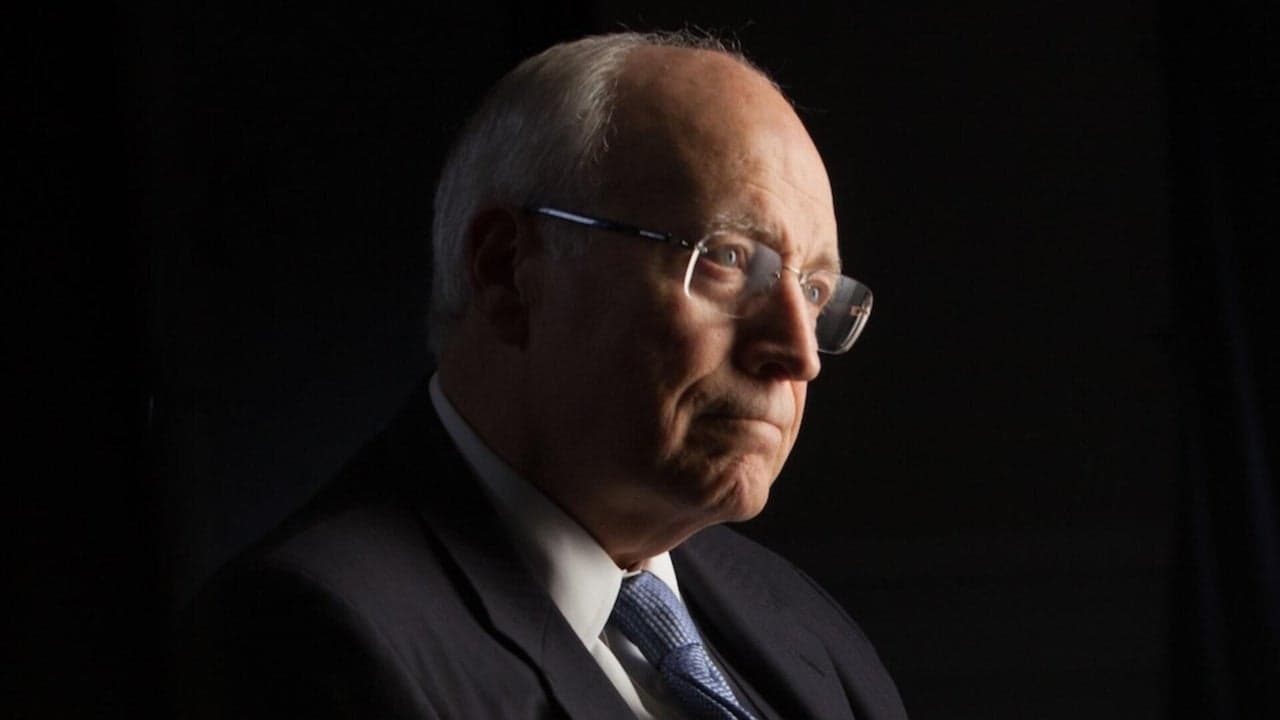
When Dick Cheney stepped into the vice presidency in 2001, he brought to the office something rare: deep, cross-branch experience and an explicit plan to wield it. The result was a vice presidency that became a primary engine of policy rather than a ceremonial adjunct, an outcome that altered expectations about the office’s scope and raised persistent questions about democratic accountability.
Cheney’s authority rested first on institutional knowledge. Decades in government, service in the White House, in Congress and in an administration cabinet, gave him fluency with executive operations, national security bureaucracy and legislative maneuvering. That background allowed him to navigate and exploit interagency levers, gaining influence over defense, intelligence and energy policy in ways that his predecessors rarely achieved.
Personnel and structure amplified that advantage. Cheney staffed the Office of the Vice President with senior policy advisers and created direct lines to agencies that bypassed traditional hierarchies. Controlling access to the president, coordinating interagency processes and placing trusted operatives in key roles enabled Cheney to shape agendas before they reached the broader administration or Congress. The vice presidency under Cheney effectively became a second policy shop, one able to initiate, vet and shepherd major initiatives.
Legal and doctrinal moves were equally consequential. Cheney championed an expansive view of executive power, encouraging legal interpretations that prioritized presidential primacy in national security and information control. That posture influenced administration decisions on surveillance, detention and interrogation in the aftermath of the September 11 attacks, prompting legal contests and congressional inquiries that continue to inform debates about the limits of executive action.
The private-sector chapter of Cheney’s career also complicated institutional dynamics. His years in industry created goodwill among certain corporate networks and raised recurring accusations of conflicts of interest when government contracts and policy intersected with former business ties. Those connections fed public scrutiny and legislative demands for greater transparency about policy formation and advisory access.
Political context magnified Cheney’s influence. A politically embattled post-9/11 environment and bipartisan congressional willingness to grant broad authorities, from military authorizations to surveillance latitude, created space for a forceful vice presidency to operate with real effect. At the same time, the scale of the office’s reach produced pushback: journalists, civil-society advocates and some lawmakers mobilized to contest secrecy, to litigate access to records and to probe policy choices through hearings and investigations.
Cheney’s imprint is institutional. He demonstrated how a vice president could, by design and temperament, become a central policymaker rather than a substitute for the presidency. That model reshaped expectations for successors and intensified calls for clearer rules: statutory limits on vice presidential authority, strengthened transparency regimes for advisory processes, and more robust congressional oversight of national security actions.
The debate his tenure crystallized is fundamentally about democratic control: how to balance the need for decisive executive action in crises with mechanisms that ensure accountability, openness and the rule of law. Cheney proved that the vice presidency can be built into a seat of power; the question that remains for citizens and institutions is how to ensure such power is constrained by democratic safeguards.
Know something we missed? Have a correction or additional information?
Submit a Tip