How Homebrewers Can Open Community-Focused Taprooms to Build Local Beer Culture
Make a taproom that neighbors remember, a clear local hook, a right-sized 260-seat or pocket 30-seat plan, and storytelling that turns viewers into sharers.
A 260-seat conversion with a live-edge bartop or a corner spot with a retro sign and a new head brewer, those are the concrete hooks that get neighbors walking in and strangers sharing the story. I built a tiny brew setup, ran a test tap night, and learned that the difference between a quiet weekend and a packed room often comes down to a single local detail, a named person, and a relentless focus on community programming.
1. Pick your local hook first
Every successful taproom I’ve seen starts with one crisp local hook: a design detail, a programme, or a named person that ties the space to the neighborhood. Think Workshop Brewing’s retro look or promoting a new head brewer, those are the kinds of specifics that turn an opening into a neighborhood story. Decide on one visible thing (a logo wall, live-edge bartop, or a regular farmer’s-market collab) and make it the anchor of your launch messaging.
2. Choose the right size and space for impact
Be realistic about seat count and scope. A 260-seat conversion like Birdtown’s is a heavy lift but can become a community hub if you can staff it and fill it; a 30–60 seat room is frequently the sweet spot for a homebrewer scaling up who wants daily community presence. I recommend touring both big conversions and small cellar doors to learn how flow, restrooms, and a bartop shape dwell time, Birdtown’s live-edge bartop, for example, became a social magnet because it gave people a tactile focal point.
3. Nail the legal basics before you pour
Licenses, capacity limits, and liability insurance determine everything from your opening hours to whether you can run food pop-ups. Treat regulatory work as mission-critical; it dictates how many seats you can legally offer and what programming you can schedule. I started with a simple tasting-room license while testing neighborhood demand, it keeps risk low and gives you time to scale operations.
4. Build a brewing plan that matches your taproom
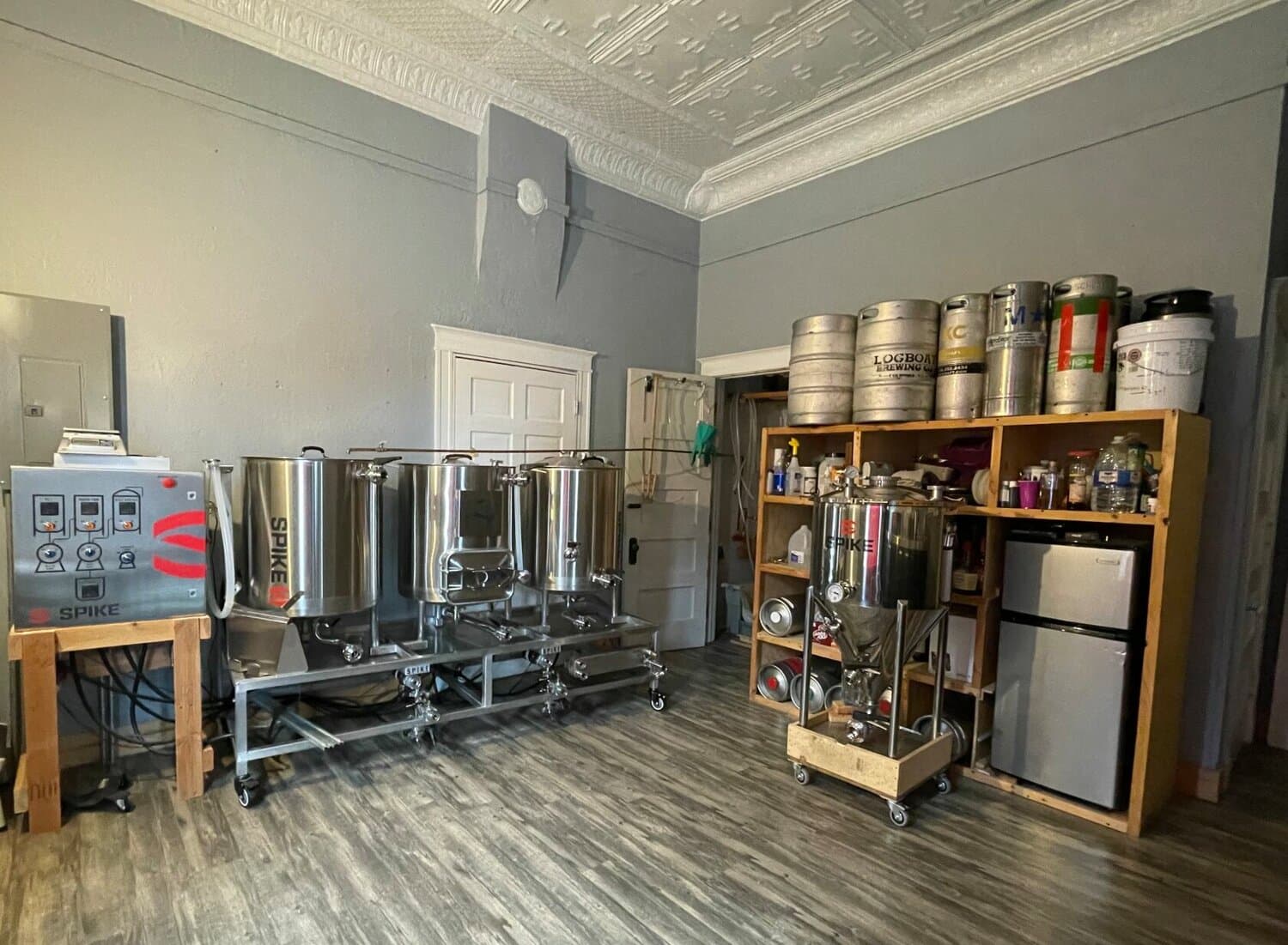
Don’t build a 1-bbl system if you plan to keep 20 taps; don’t promise cellar-conditioned sours if you can’t supply them consistently. Match fermenter counts, kegging lines, and a small-brite tank plan to your seat count and projected turn. When I opened pop-up nights from my garage system, I capped available pours to what I could turn in a week, consistency beats variety when you’re building a local following.
5. Design for conversation and Instagrammability
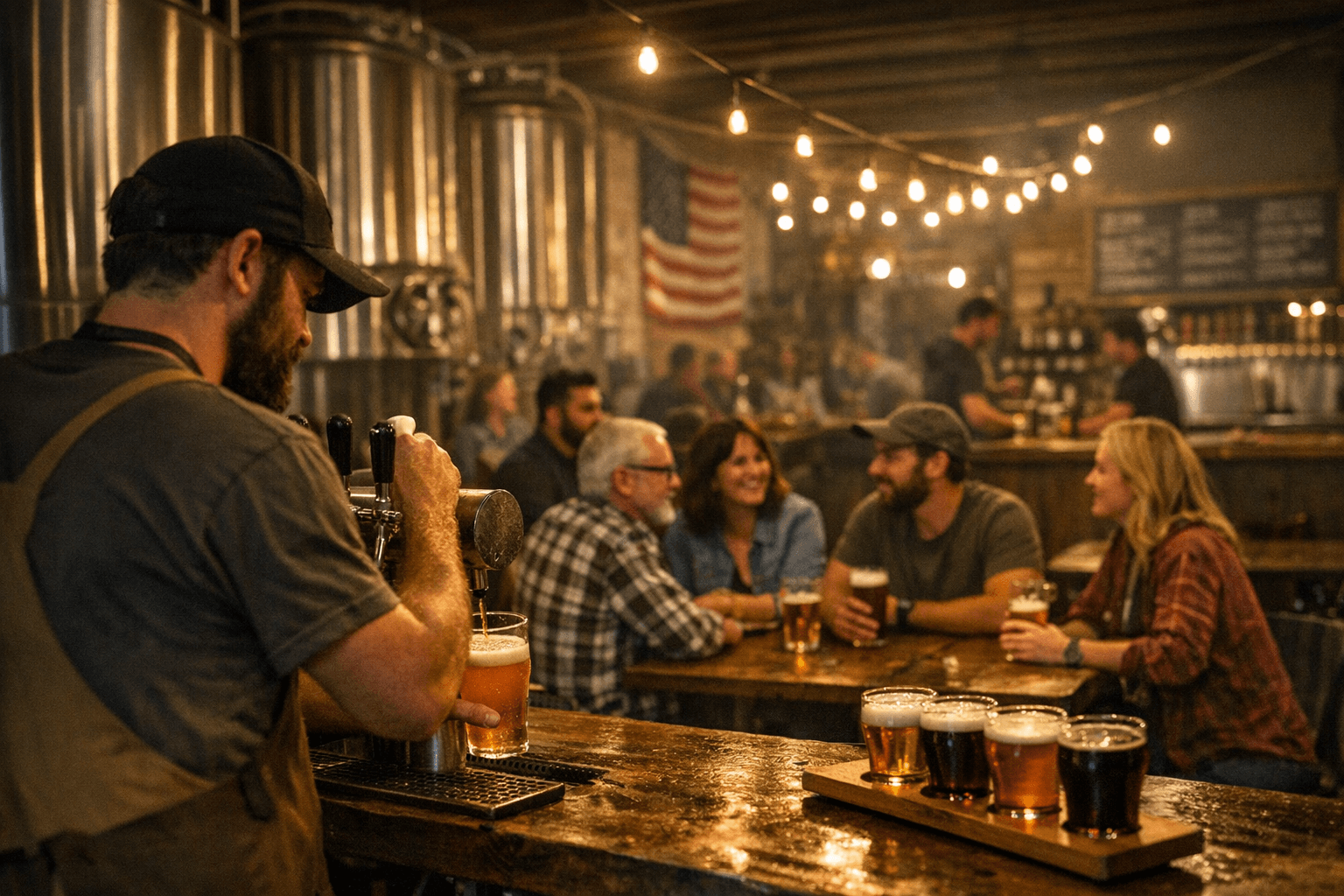
Design choices matter: a retro sign, a live-edge bartop, or an open brewing view all create sensory cues that make people stay and share. Use one signature material (wood, tile, neon) and one signature fixture (bartop, mural, open tun) so your room reads as intentional. In my experience, a single tactile element, like Birdtown’s live-edge bartop, can lift dwell time and social shares much more than an expensive lighting plan.
6. Hire a small, committed team and name roles
A named head brewer or a designated community manager gives your taproom a face and a person fans can follow. Workshop Brewing’s play of promoting a new head brewer shows how a single name can anchor press and local interest. Start small: a brewer who can run brew days and QA, a bar lead who knows inventory and customer service, and part-time support for busy nights. Clear roles cut turnover and keep quality consistent.
7. Program deliberately: community-first events
Calendar things neighbors actually want: farmers-market tie-ins, midweek trivia, local-music nights, and festival-timed tap takeovers. Festival timing and employment/space changes are high-impact hooks, tie your opening or seasonal release to a known neighborhood event and publicize the employment boost (hires, bar shifts) it creates. I ran a four-week test schedule before opening full-time and found weekday programming built steady regulars faster than weekend-only specials.
8. Tell one clear story in every release
Every beer release should carry a single narrative: the farmer who grew the hops, the new head brewer’s farmhouse saison, or an onsite collaboration with a local cafe. The performance insight here is brutal but useful: 98.7% of readers only view without sharing, so your story has to be sharable. Use a named person, a surprising stat, or a local impact (e.g., “we hired three local barbacks”) to create a direct, repeatable share hook.
9. Make PR and social posts about local impact
When you pitch or post, lead with local facts, seat count changes, employment numbers, or a design descriptor, not corporate-speak. Press loves numbers and names: “260-seat conversion,” “live-edge bartop,” or “new head brewer” are headline bait because they translate to daily life. I write releases and captions that start with the thing neighbors care about: how it will change their weekend, where to park, and who they’ll see there.
10. Price for community, not for tourists
Set a pricing ladder that rewards regulars: punch cards, member tiers, or a discounted growler day. Make one menu item that’s affordable and anchored to your story (a session IPA named after a street or a draft priced for commuters). That’s the tactic that turned my second-month crowd into regulars, predictable, wallet-friendly options keep people coming back.
11. Track the right metrics and iterate
Count seat fill by shift, track which events convert first-time visitors to repeat customers, and measure social shares tied to named stories. With engagement data showing only 1.3% of pieces get shared, focus on the elements that push that 1.3%, named people, clear local impact, and a single visual hook. I kept a simple spreadsheet of event attendance, top-performing beers, and hires; within six months I dropped two low-performing events and expanded a Wednesday music night that doubled midweek covers.
12. Plan for neighborhood relationships and complaints
Opening a taproom changes local noise, parking, and traffic patterns, plan mitigation from day one. Bring neighbors into the loop with soft openings, community-steward shifts, and clear communication about festival timing or late-night hours. I’ve calmed potential friction by sponsoring a block clean-up and sharing employment numbers at a community meeting, specific, local actions defuse generalized complaints.
13. Keep your narrative changing but consistent
A rotating tap list is fine, but your core story, whether it’s neighborhood-first, brewer-led, or design-forward, should be consistent. Update that story with named changes (new head brewer, a 260-seat expansion, a new live-edge bartop) so every update is newsworthy. The trick I learned: small, consistent updates tied to real people keep the press and neighborhood interested without burning marketing dollars.
A community taproom is a marathon, not a sprint. If you anchor your plans in one local hook, size the space to what you can reliably fill, staff it with named people, and tell a shareable story with actual facts, seat counts, design choices, hires, you’ll do more than pour beer: you’ll build local culture. I’ve watched tiny operations become neighborhood institutions by sticking to those exact details; do the same, and you’ll give your beers the context they deserve.
Know something we missed? Have a correction or additional information?
Submit a Tip