How Off‑Year Ballots Recast U.S. Power and Test Trump’s Grip
California’s Proposition 50, driven by Gov. Gavin Newsom, appears to be running far ahead in polling and could flip House seats that offset Republican gains from Texas redistricting. Ballot fights in Maine over voter ID and absentee access, and other local contests, are shaping a narrative that will be read globally as an early gauge of Donald Trump’s influence and the Democrats’ resilience ahead of 2026.
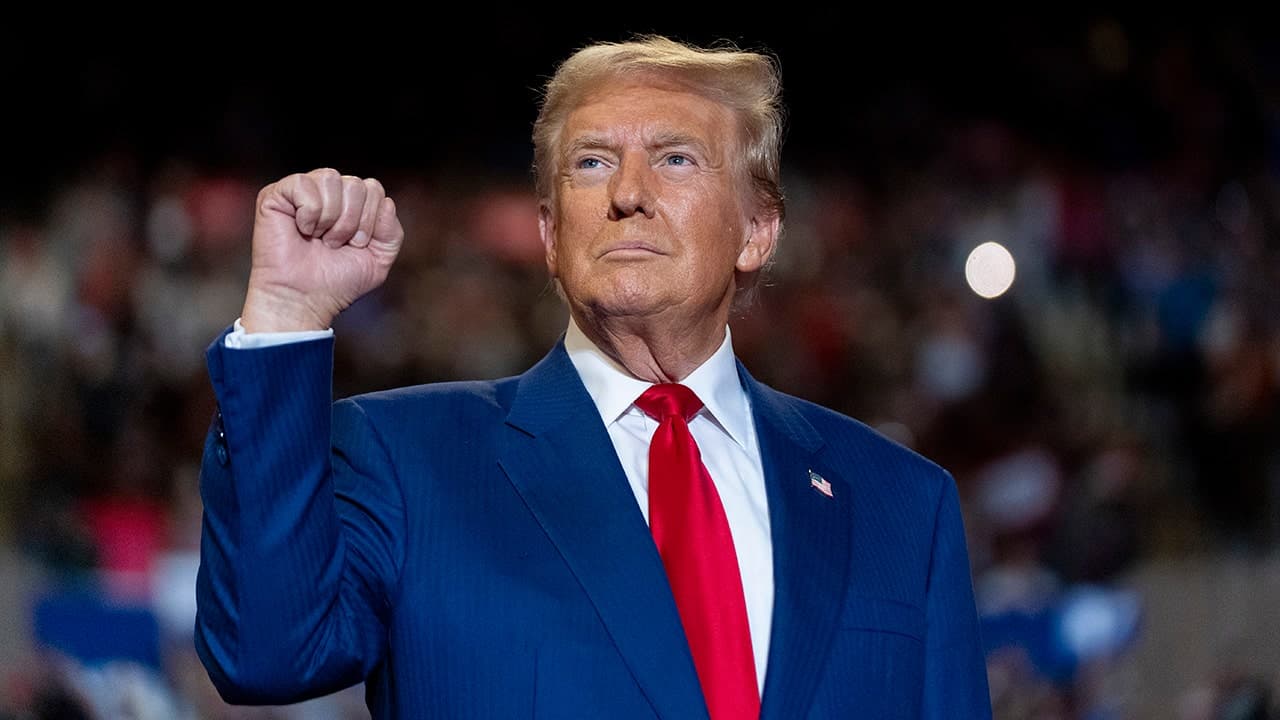
Less than three months after being unveiled as a high‑stakes political maneuver, Gov. Gavin Newsom’s Proposition 50 is looking like a masterstroke. Polling shows the “yes” vote on Newsom’s Proposition 50 miles in front, a margin that analysts say is likely to translate into as many as five additional House seats for Democrats in 2026, a direct counterweight to the Republican redraw in Texas.
The practical effect of the California measure is twofold. At the congressional level it reshapes the arithmetic by shoring up districts that might otherwise tip Republican under new maps, and at the national level it elevates Newsom’s profile. Three years out from the presidential election, Newsom now looks like the closest thing Democrats have to a leader of the opposition, a perception that could reshape fundraising, recruitment and the tone of national debates.
But California is only the most visible drama unfolding in an otherwise quiet electoral season. In Maine, a separate set of fights over voting rules has drawn intense attention. Republican efforts to require photo identification for voters and to restrict absentee ballots are being contested vigorously by state Democrats. Observers say the outcome could prove pivotal if next year’s Senate race in Maine is as close as some expect, with control of the chamber potentially hinging on a handful of seats.
These contests matter for reasons beyond state borders. Off‑year elections are often treated as barometers, and this cycle is no exception. Millions of Americans will exercise their democratic rights today, and the cumulative results will shift real power in state legislatures and Congress. Local victories will launch political careers; defeats will end others. Pundits and strategists will read runes into these outcomes, drawing inferences about turnout, messaging and the enduring appeal of national figures.
Among those whose fortunes will be assessed is Donald Trump. While the former president is not on the ballot, the results will be treated by supporters and opponents alike as a referendum on his enduring sway within the GOP and on the viability of his political coalition. Commentators will parse whether Republican messaging anchored to Trump still translates into effective statewide and local organizing, or whether Democratic countermeasures are blunting his reach.
International audiences are watching, too. For allies and adversaries alike, U.S. subnational contests provide signals about domestic stability and policy continuity. Changes in congressional composition can affect foreign policy dynamics, sanctions, trade negotiations and military funding. In an era when domestic politics are tightly linked to global affairs, even state ballot measures can ripple outward.
So yes, it is an off‑year. But the stakes are not small. Tonight’s returns will be devoured by political operatives, journalists and foreign capitals alike, a reminder that democracy’s incremental shifts often presage larger national and international changes.
Know something we missed? Have a correction or additional information?
Submit a Tip