How To Fix Scratchy Mechanical Switches For Smoother Typing
A common community method for fixing scratchy or noisy mechanical switches recommends testing bare switches on a board, inspecting parts, cleaning, and applying a thin even layer of switch lube to housings and stem rails. The approach stresses patience, letting new switches break in over days to weeks, and warns that too much lubrication will mute tactility and slow key return.
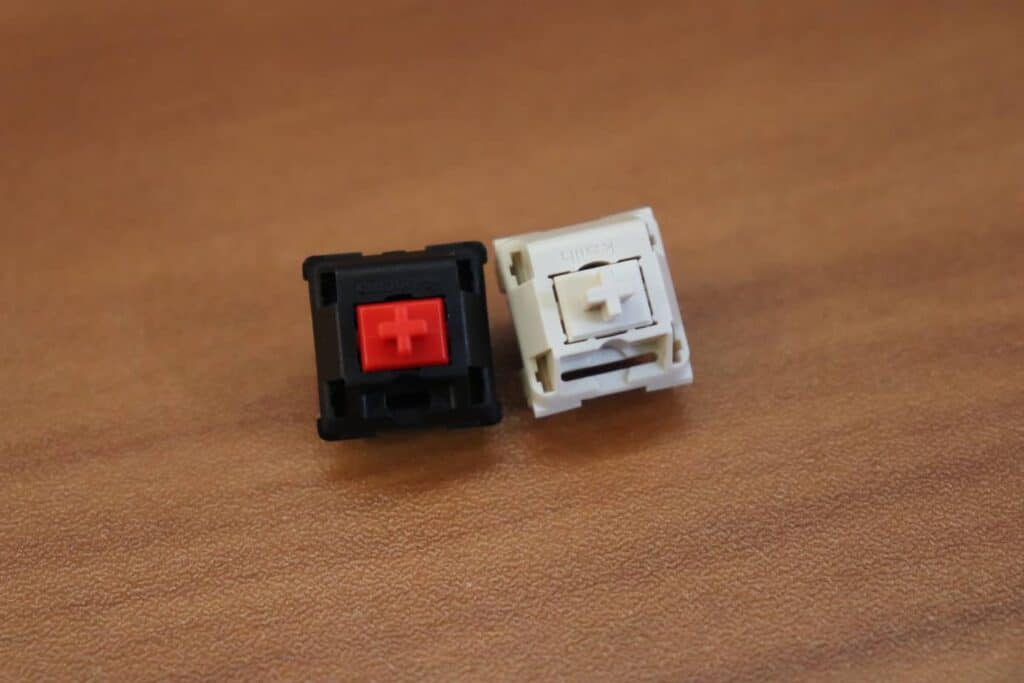
Scratchy and noisy switches are one of the most frequent complaints among mechanical keyboard enthusiasts, and the community has converged on a practical four step method that addresses the problem without drastic measures. The first step is confirmation, by testing bare switches on a working board to verify that noise and scratch originate inside the switch rather than from stabilizers, keycaps, or the case. Once confirmed, the process moves to disassembly and inspection, then to targeted cleaning and lubrication.
After opening a problematic switch, practitioners inspect stems, housings, and springs for burrs, dust, or excess manufacturing residue. Cleaning with compressed air and a light solvent if needed clears debris that can cause friction. The next step is lubrication of the moving parts. Enthusiasts recommend applying a thin, even layer of switch lube to the housing pockets and the stem rails. The emphasis is on minimal application, because over application can dampen tactile feedback and create a sluggish return that changes the feel of the switch in undesirable ways.
For smoother up strokes many hobbyists also treat springs using a bag lube method. This involves placing springs and a small quantity of lubricant into a sealed bag and agitating them until evenly coated. Spring lubrication can reduce ping and smooth the return, but it is optional and should be tried conservatively, since it can affect the speed and rebound that some users prefer.
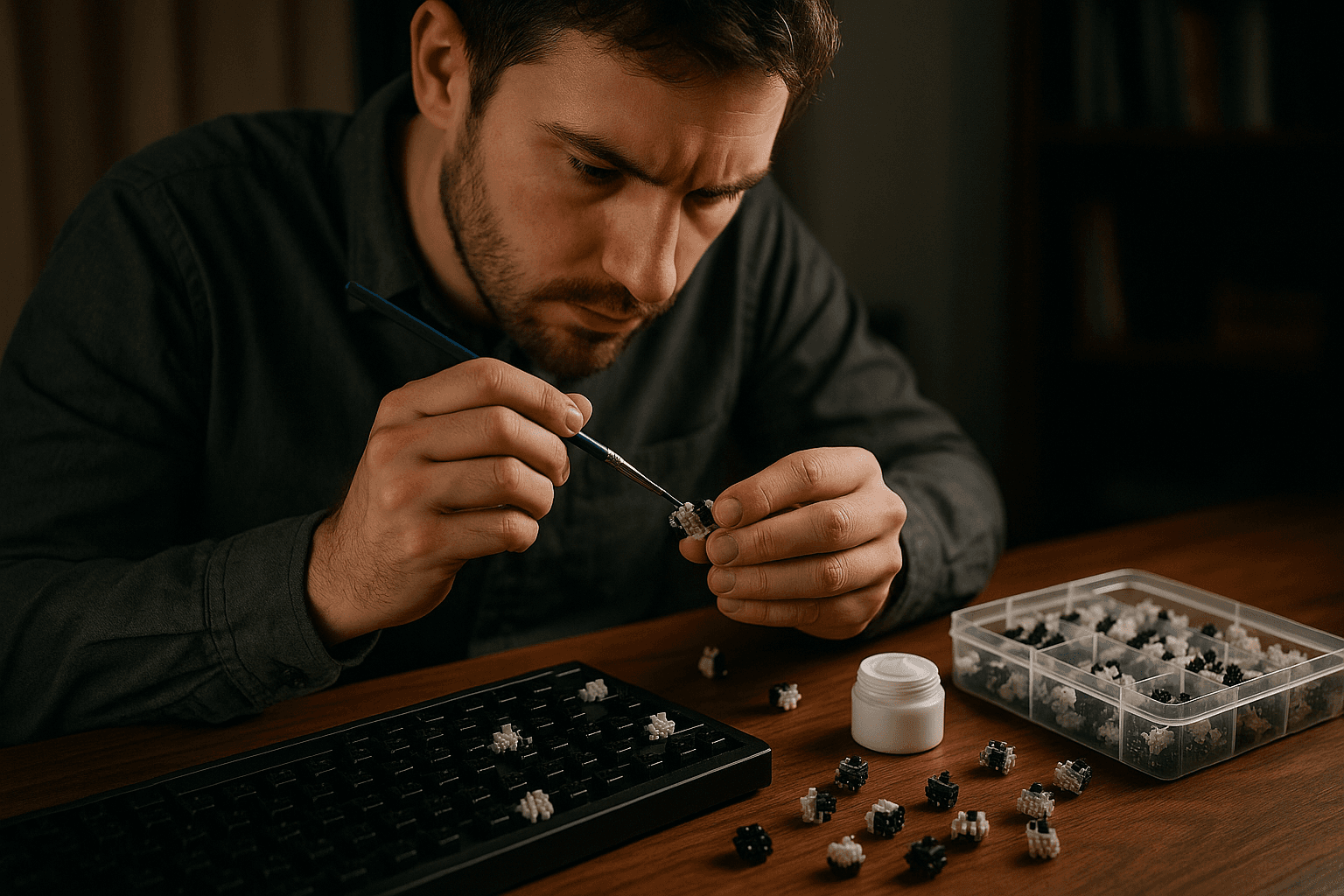
A critical piece of advice from the community is to allow new switches to break in naturally for several days to several weeks before deciding they need lubrication. Break in alone can resolve mild scratch or noise, and premature lubing risks masking issues that will resolve on their own. When lubrication is undertaken, work on a few switches first to dial in technique and quantity, then apply the same method to the remainder.
For builders and modders this routine offers a straightforward path to improved acoustics and feel without committing to replacements. It preserves options, keeps the tuning process reversible, and aligns with the hobby ethos of careful, hands on refinement rather than sweeping changes.
Know something we missed? Have a correction or additional information?
Submit a Tip