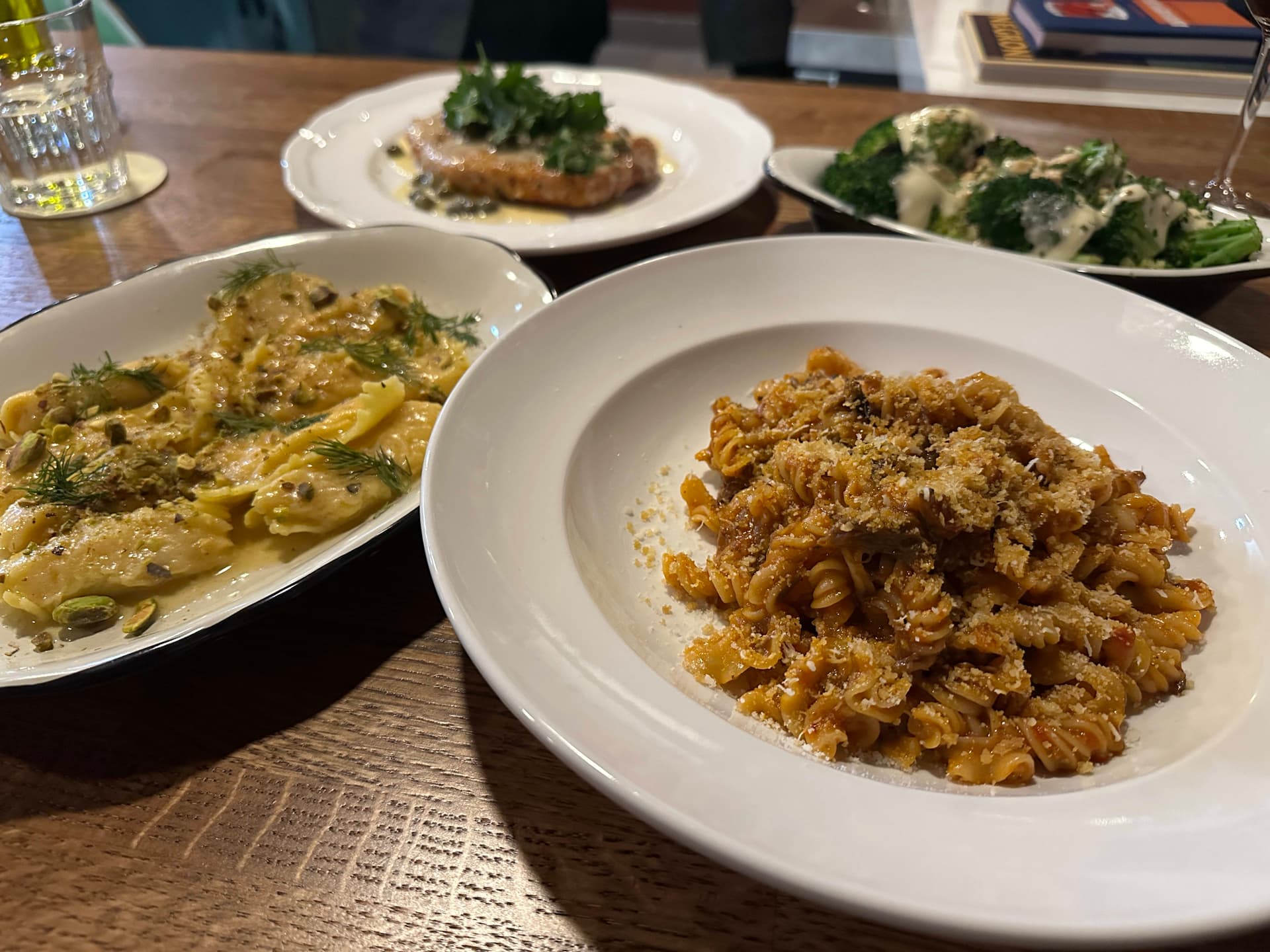
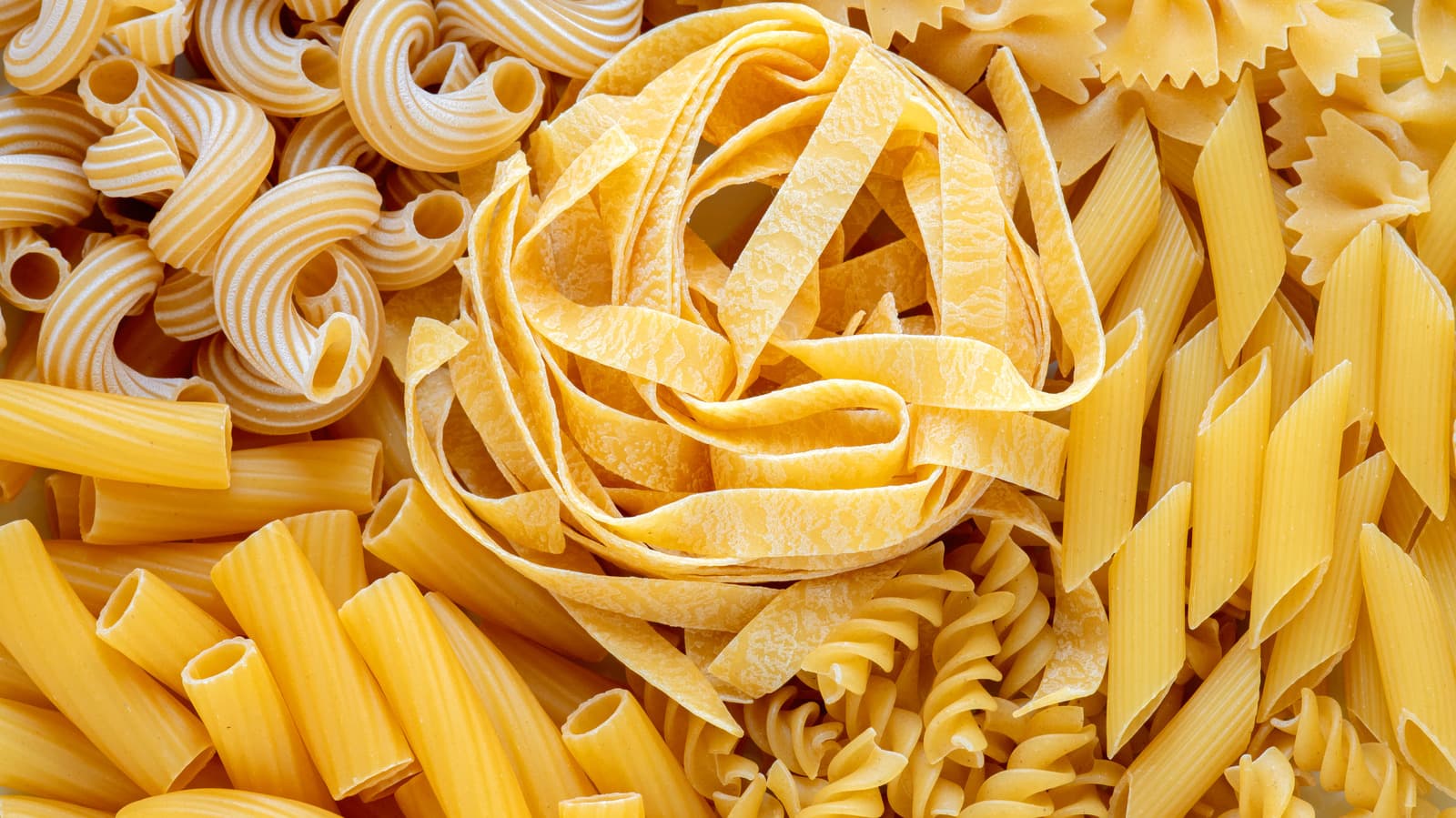
How to Make Fresh Pasta at Home: Practical Step-By-Step Primer
This practical primer walks you through making fresh pasta from ingredient choices to cooking, with tactile cues and simple tool options so you can start confidently in your kitchen. Mastering a few sensory checks and basic techniques delivers better texture, easier shaping, and sauces that cling.
Fresh pasta begins with clear choices: pick your flour, decide how many eggs, and plan how you will shape and cook the dough. Use '00' flour for a silky, tender sheet, semolina to add tooth and bite, and all-purpose flour when you want a reliable, widely available option. Semolina raises firmness, which helps shaped pasta hold up in hearty sauces; extra egg yolks add richness and a more tender crumb.
Start with the classic well method on a clean surface or combine flour and eggs in a bowl. Mix until the ingredients are united, then knead by hand until the dough moves from tacky to smooth and elastic. That tactile transition, less sticky, springy under your fingers and able to stretch without tearing, is the clearest signal the gluten is developed. Rest the dough tightly wrapped for at least 30 minutes to relax the gluten and make rolling easier.
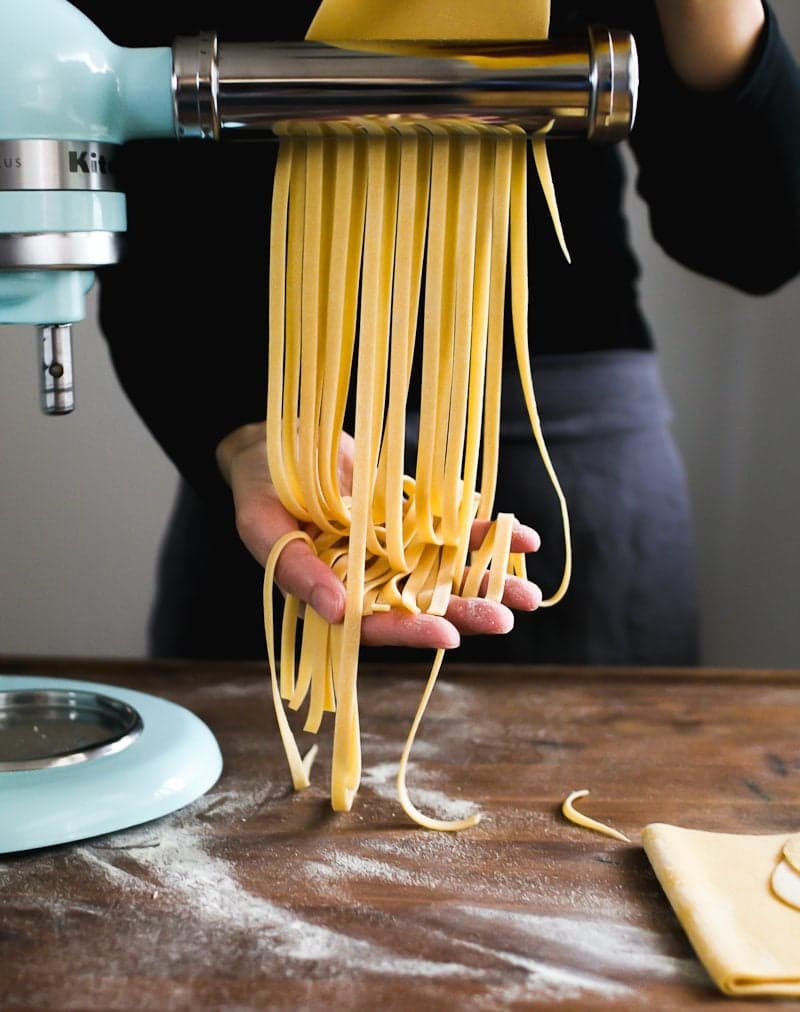
When you roll, pick the tool that fits your kitchen and patience. A rolling pin works fine for thin sheets and small batches. For consistent thickness and quicker work choose a hand-crank pasta roller, a KitchenAid attachment, or a larger electric machine if you make pasta frequently. To form noodles, you can roll the sheet into a log and slice with a sharp knife or feed sheets through cutter attachments for fettuccine or tagliatelle. Use cutter wheels or shaped extruders for tubes and shapes if you prefer.
Portion and store dough and noodles with foresight. Divide dough into manageable pieces before rolling. Dust strands lightly with flour, make nests to avoid tangling, and freeze briefly if you need to preserve texture between batches. For longer storage, par-cook or freeze on trays before packing. When cooking, bring a large pot of generously salted water to a boil. Fresh pasta cooks quickly; reserve some pasta water and finish the pasta in the pan with your sauce so the starches help the sauce cling.
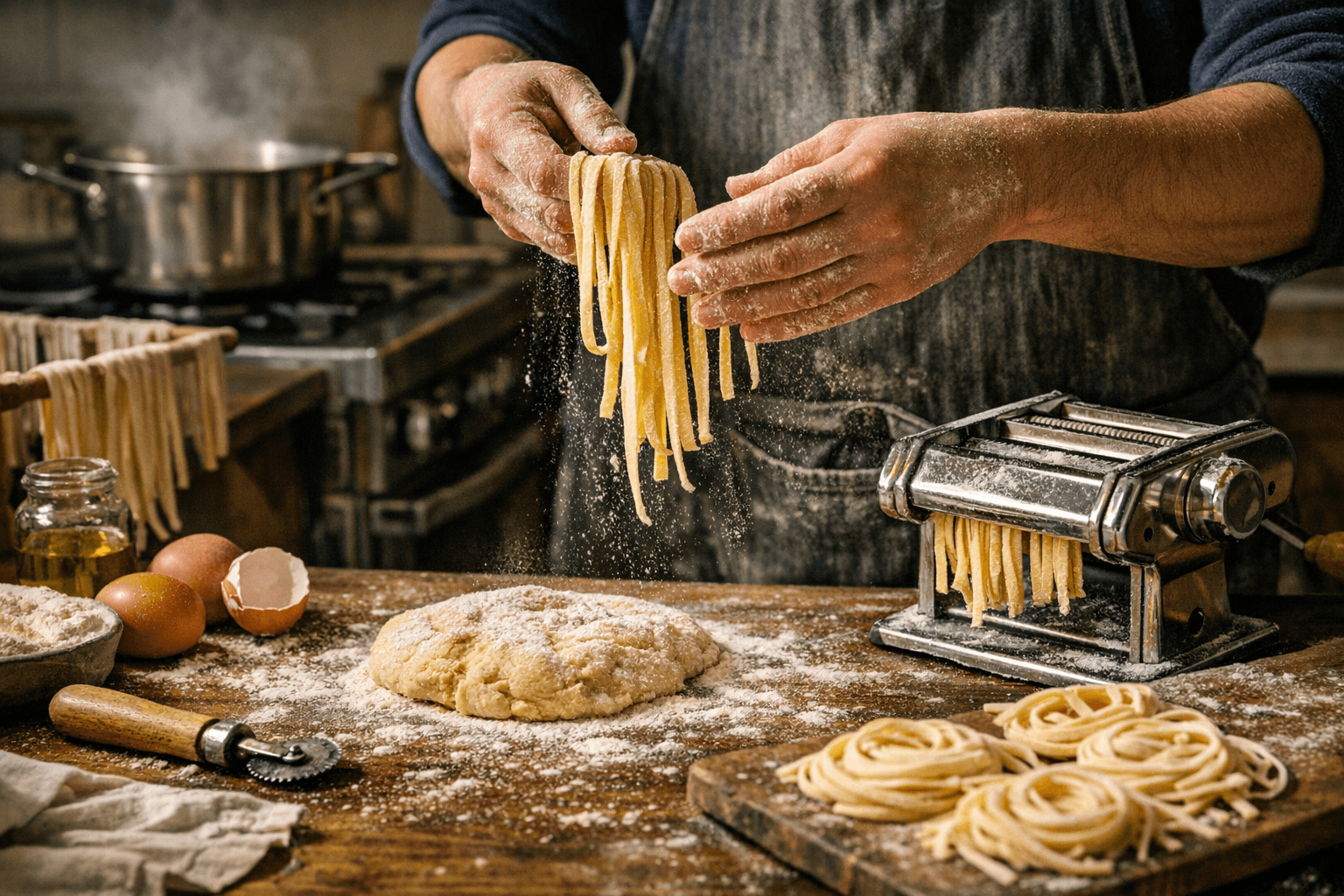
Embrace learning by feel rather than strict measurements. Simple sensory checks, how the dough holds together, how it stretches, how a sheet thins without tearing, are more reliable than rigid rules, especially as ingredient humidity, egg size, and flour brands vary. Try small variations: add extra yolks for silkiness, blend semolina with '00' flour for al dente bite, or adjust hydration if the dough feels stiff.
These foundational techniques let you scale recipes and explore shapes, sauces, and tools without getting bogged down by precision. Start small, trust your hands, and you’ll have fresher, more satisfying pasta in a few tries.
Know something we missed? Have a correction or additional information?
Submit a Tip