Ghana Bans Land Imports of Pasta to Protect New Olam Agri Plant
Ghana banned land imports of pasta days after opening its first-ever domestic pasta plant, built by Olam Agri in Kpone to produce 40,000 tonnes a year.
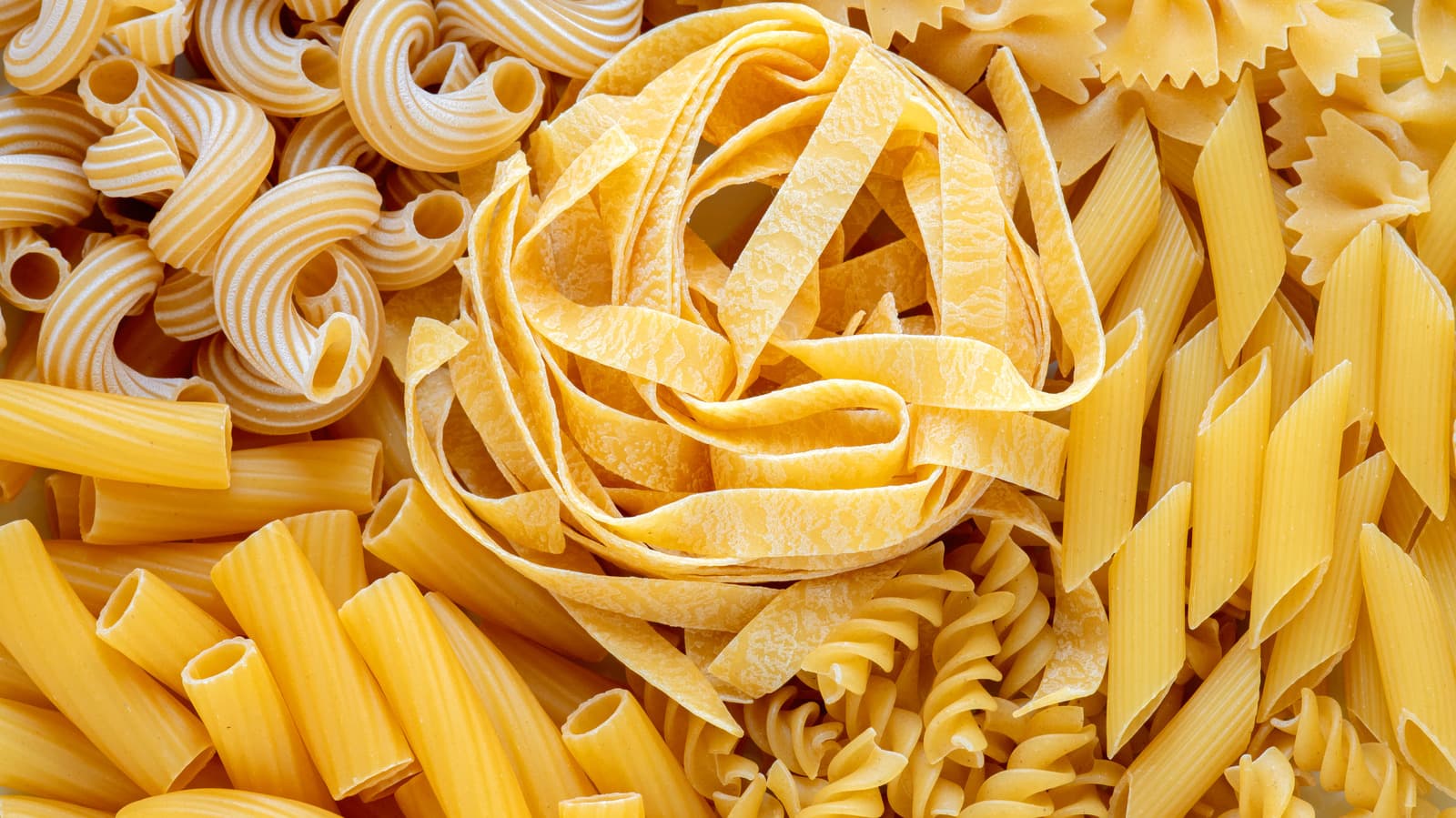
Ghana has banned pasta imports through its land borders to prevent smuggling, a measure President John Mahama announced at the March 5 commissioning of the country's first dedicated pasta processing facility, an Olam Agri plant in Kpone, Greater Accra.
Speaking at the inauguration, Mahama framed the policy as a direct response to informal trade undercutting the new investment. "Now that we have our own pasta factory here, we must make sure that cheap, imported, smuggled pasta is not brought in through our eastern border," he said. He added that he would instruct Finance Minister Dr Cassiel Ato Forson to act: "I'm going to tell the Minister of Finance to add pasta to the list."
That list has been growing. Earlier in February, Forson issued a directive banning the land transit of vegetable cooking oil in commercial quantities, requiring such shipments to be routed exclusively through Ghana's seaports. That ban followed the interception of 18 articulated trucks declared as transit goods bound for Niger but suspected of being part of a diversion scheme to dump untaxed products on the local market. Mahama said rice, tomato puree, and mackerel have since been added to the restricted list. The Finance Ministry also announced separate restrictions covering sugar, textiles, and frozen foods.
The Olam Agri plant in Kpone is designed to produce around 40,000 tonnes of wheat-based pasta per year, enough to cover roughly 40% of Ghana's domestic demand, according to the Singapore-based company. The facility is expected to generate around 300 direct and indirect jobs across operations, engineering, supply chain, distribution, and support services.
The scale of what Ghana has been importing makes the plant's arrival significant. Between 2021 and 2024, Ghana imported approximately $140 million worth of pasta, ranking it as the second-largest pasta importer in Africa after neighboring Togo. That figure sits inside a broader $2 billion annual food import bill.
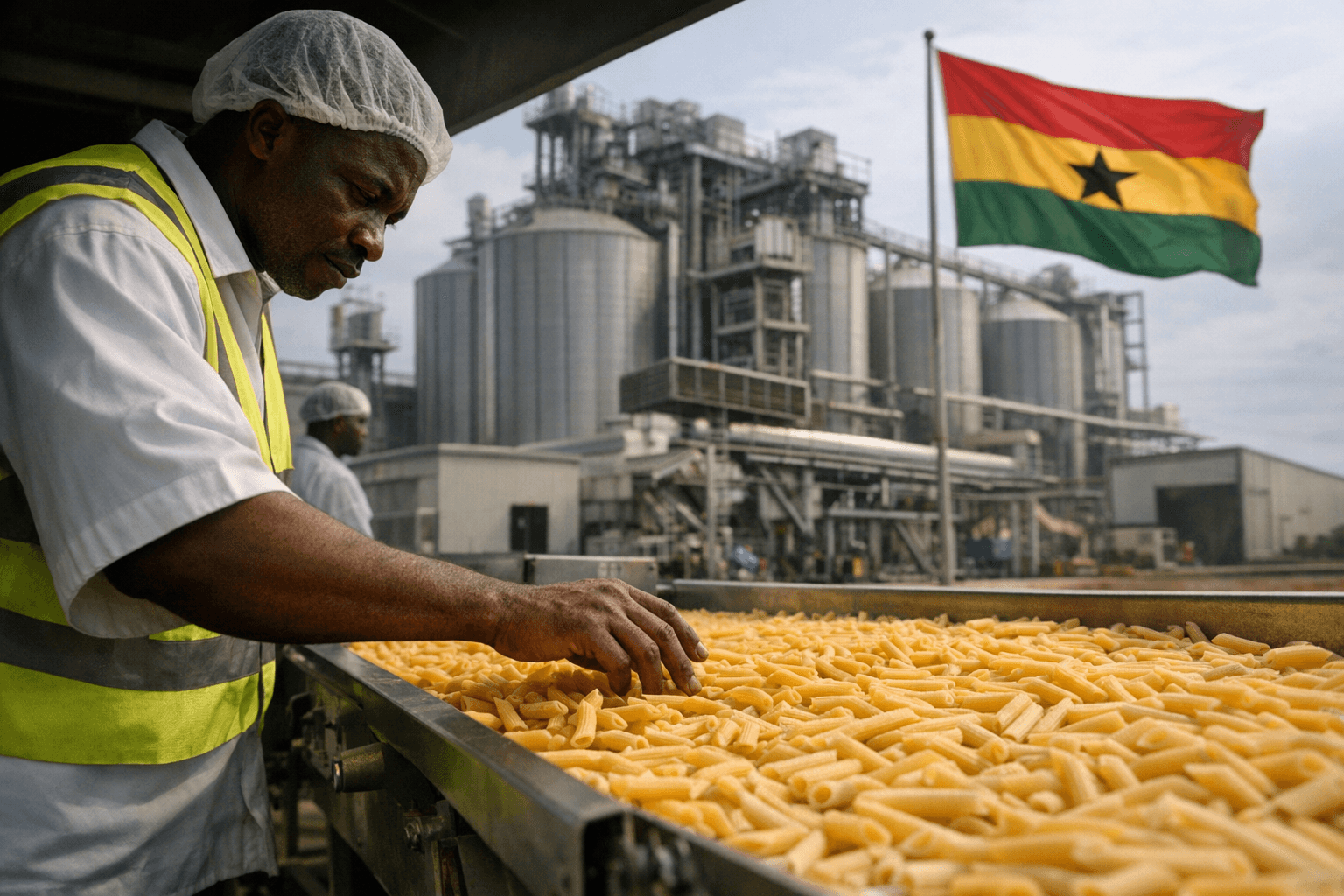
The economics of the plant, however, carry a built-in tension. The factory runs on imported wheat, meaning the land-border ban protects the domestic value-added step without addressing the core input cost. The plant benefits from a weaker cedi and falling global wheat prices, but remains vulnerable to currency swings and input costs should either condition reverse. Savings on the import bill may therefore be limited even as production ramps up.
On that front, Mahama offered a longer-term signal at the commissioning: scientists from Ghana's Council for Scientific and Industrial Research have identified a wheat variety capable of growing under local climatic conditions, a development the president said represents progress toward domestic wheat production. No timeline or scale for that program was specified.
The ban as currently described covers land borders and land transit in commercial quantities. No source has indicated that sea or air imports of pasta face equivalent restrictions, and the formal Finance Ministry directive adding pasta to the land-transit ban had not been publicly published as of the announcement.
Know something we missed? Have a correction or additional information?
Submit a Tip