How to Measure Biological Age, and Why It Differs From Birth Age
Biological age can reveal risk that birthdays miss, but most tests are still evolving. The best evidence still points to daily habits, not pricey clocks.
Why biological age is drawing so much attention
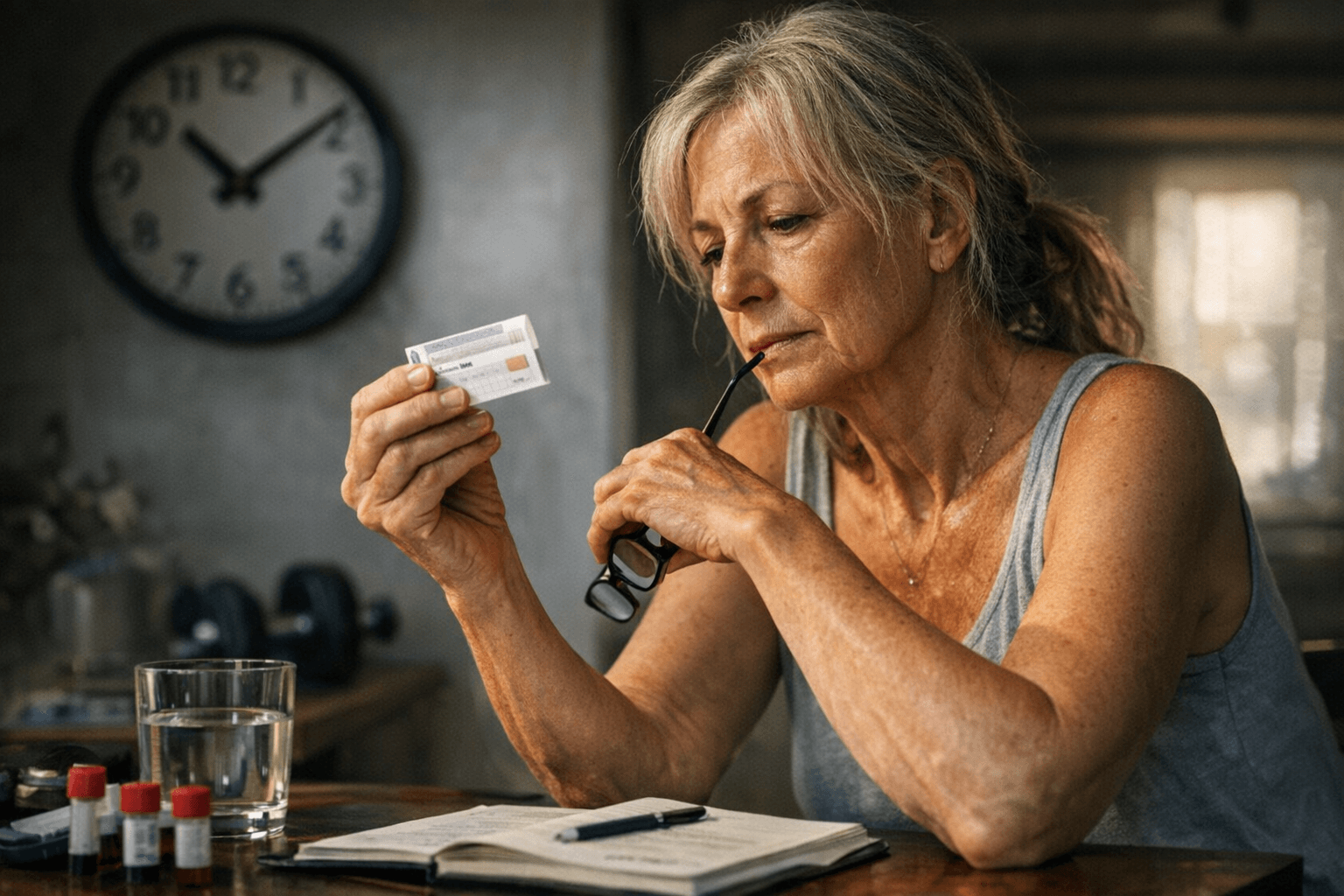
Two people can share the same birthday and still age at very different speeds. That is the promise behind biological age, the idea highlighted in CBS Mornings by chief medical correspondent Dr. Jon LaPook, who broke down why your body’s age does not always match the number on your driver’s license. The concept is appealing because it speaks to what people actually want to know: not just how long you have lived, but how your body is holding up.
The key distinction is simple. Chronological age counts years. Biological age tries to estimate how fast your body is aging by looking at measurable signals inside the body. That difference matters because two people in the same age group can have very different health profiles, risks, and trajectories.
What biological age actually measures
The National Institute on Aging defines biomarkers as measurable indicators of normal biological processes, disease processes, or responses to exposures and interventions. Biological-age tests attempt to turn those indicators into a broader picture of aging speed, rather than a single disease label. In practice, that can mean clinical measures, molecular signatures, or combinations of both.
The catch is that there is still no single universally accepted clinical standard for measuring biological age. That is one reason experts urge caution when a test promises a clean answer. A number by itself can be informative, but without agreed standards, the same person might receive different results depending on the method used.
Why epigenetic clocks dominate the conversation
Much of the science now centers on epigenetic clocks, which estimate aging through DNA methylation patterns that shift over time. These clocks have become widely used in research because they can estimate biological age and aging rate, and studies suggest they may help predict mortality and age-related disease risk. That makes them powerful research tools, especially when scientists want to see whether an intervention appears to slow the pace of aging.
But power is not the same as readiness for routine medicine. A 2023 review in Cell said biomarkers of aging are important for evaluating longevity interventions, yet standards and consensus are still missing. Another 2023 review in Nature Medicine said robust validation will be critical before these biomarkers can be translated into clinical use. In other words, the science is real, but the field is still building the guardrails.
What the research says about lifestyle
The most actionable evidence still points to everyday behavior. A recent review found that modifiable lifestyle factors were associated with several established biological-age estimates, including diet, physical activity, smoking, and alcohol consumption. The pattern is important because it suggests biological age is not fixed fate. Your habits appear to leave measurable biological fingerprints.
That lines up with the American Heart Association’s Life’s Essential 8, which frames cardiovascular health as a major lever for reducing the risk of heart disease, stroke, and other major health problems. Harvard Health has made a similar case, emphasizing diet, exercise, and other lifestyle choices as tools for healthier aging and longer life. The practical message is clear: the most credible longevity strategy is still the unglamorous one.
The habits with the strongest backing
If you want to improve the odds that your biological age runs closer to, or even below, your chronological age, the evidence is strongest for habits that protect the heart and metabolism.
- Move regularly, because physical activity shows up repeatedly in studies of healthier biological aging.
- Eat in a way that supports cardiovascular and metabolic health, since diet is one of the lifestyle factors linked to better biological-age measures.
- Avoid smoking, which consistently pushes health risk in the wrong direction.
- Keep alcohol use in check, because alcohol consumption has also been tied to biological-age estimates in the research.
- Pay attention to the broader picture, because multiple healthy behaviors combined tend to show stronger associations than any single habit alone.
The point is not that any one habit magically rewinds aging. It is that health is cumulative, and the body appears to record those cumulative choices.
How to think about biological-age tests
If you are considering a biological-age report, the most important question is not how futuristic it sounds. It is how it was built. Ask what biomarker or biomarker panel it uses, whether it relies on DNA methylation or clinical markers, and whether it has been validated against outcomes that matter, such as disease risk or mortality.
That caution is reinforced by the scientific infrastructure now being built around the field. Researchers at the National Institutes of Health are developing resources such as the National Institute on Aging’s Predictive Biomarkers Initiative and Biomarker Network. Those efforts show that biological-age testing is being prepared for future use in aging medicine, but not yet treated as settled clinical practice.
A single consumer test can be intriguing, yet its real value may be limited if you cannot compare it across time or across methods. In a field without universal standards, one-off results should be treated as clues, not verdicts.
Why recent studies are pushing the science forward
The research base is expanding quickly. A 2024 expert consensus effort in the Journals of Gerontology focused on the need to choose better biomarkers for longevity-promoting intervention studies. That may sound technical, but it is central to the whole enterprise: if scientists cannot agree on the right measures, it becomes harder to know whether an intervention truly slows aging.
A 2026 Nature Medicine study of 699 adults in the InCHIANTI cohort, followed for up to 24 years in Italy, added another important clue. It found that longitudinal changes in epigenetic clocks were associated with mortality, suggesting that how fast the clock changes may matter as much as a single snapshot. That is a meaningful shift in thinking. It points to biological age as a dynamic process, not just a label attached at one moment.
The bottom line
Biological age is a useful lens, but it is not yet a consumer oracle. The strongest science says the field is promising, the tools are improving, and the most reliable way to influence the number still looks remarkably familiar: move more, eat better, avoid smoking, limit alcohol, and protect cardiovascular health.
The gap between wellness hype and medical evidence remains wide. Biological-age testing may eventually become a routine part of aging medicine, but for now, the clearest path to a younger biology is still found in habits, not hype.
This article was produced by Prism’s automated news system from verified source data, official records, and press releases, then run through automated quality and moderation checks before publishing. The system is built and supervised by the people who set the standards it runs under. Read our full AI policy.
Did this article answer your question?


