How to tune your keyboard sound with practical mods and workflow
A practical guide to the most impactful acoustic and feel mods for tuning keyboard sound and feel. Start with stabilizer fixes and case foam before lubing every switch.
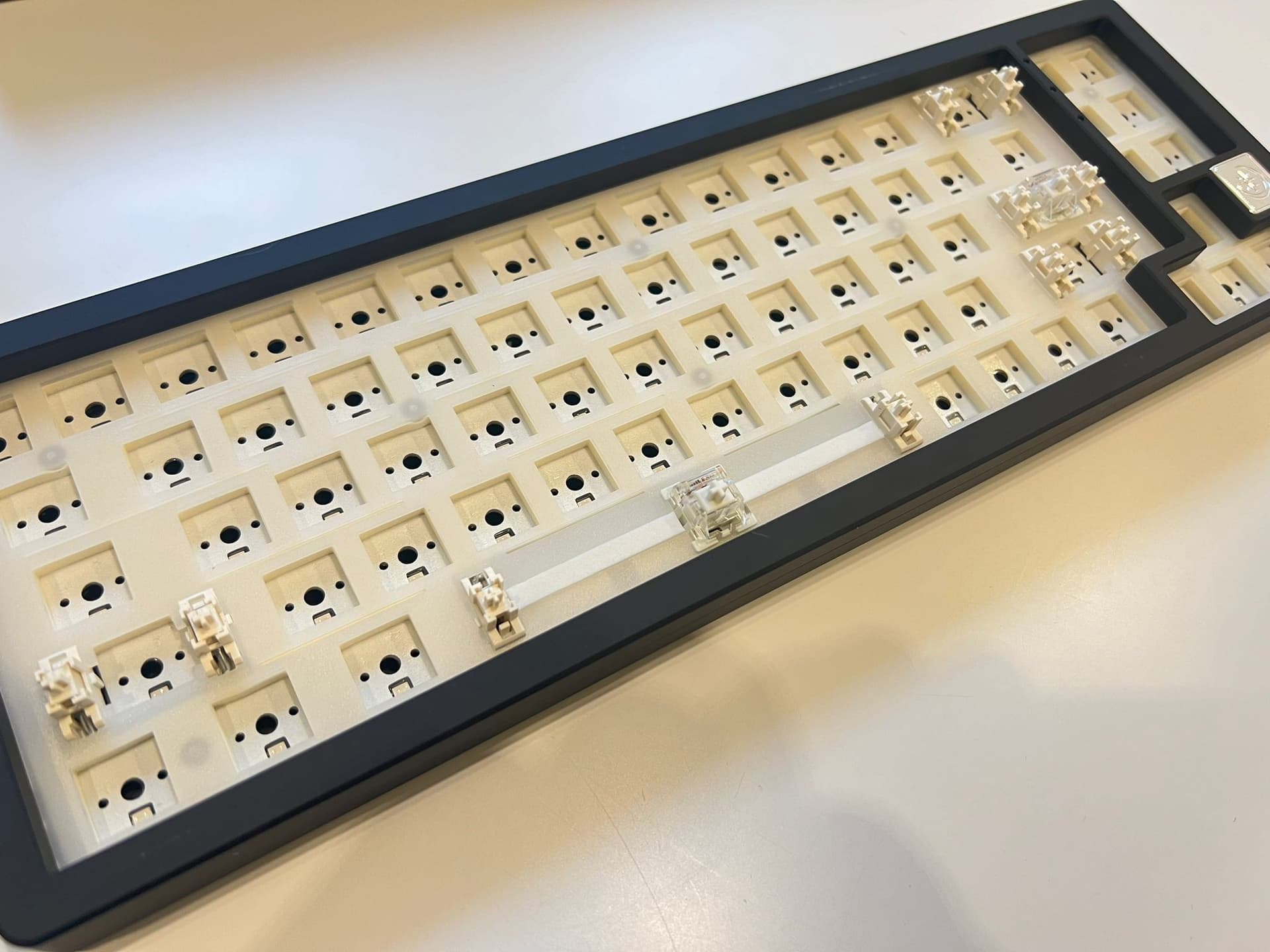
If you want a deeper "thocky" sound, a tighter muted response, or a brighter clickier tone, the path to that voice runs through a handful of high-return mods. Stabilizers and case foam typically deliver the biggest audible gains for the least effort, while plate choice, switch films, spring swaps, and full switch lubing let you fine-tune personality and feel.
Begin by diagnosing your goal and baseline. Decide whether you want deeper low end, a muted bottom-out, or a sharper attack. Record baseline audio or compare with community soundtests to measure change. A hot-swap tester is useful for trying lubed versus stock switches without committing to full disassembly.
Case and foam mods change resonance and pitch quickly. Foam between the plate and case and under the plate or PCB reduces reverberation and lowers pitch. Common materials include Poron, neoprene, EVA, and craft foam; layering and placement alter the effect, so try incremental changes and re-test after each addition.
Stabilizer rattle is often the loudest offender. Clipping and lubing stabilizers, switching to genuine screw-in stabilizers, adding foam under the stabilizer area, or using bandaids or neoprene pads to deaden bottom-out clack will dramatically reduce noise. Stabilizer work is high impact and low cost, so start there before moving to more time-consuming mods.
Switch lubing addresses friction and spring or slider rattle. Krytox and Tribosys variants remain common choices, with different blends favored for linear versus tactile switches. Consistent disassembly and application are crucial; uneven lube can introduce unwanted feel differences. If you are unsure, lube a few switches first and audition them via a hot-swap tester.

Switch films reduce wobble and create a firmer sound, while spring swaps alter tactility and return force. Plate material and mount style also shape timbre: polycarbonate plates tend to dampen for a softer voice, while brass, aluminum, and other metals brighten the sound. Mounting styles such as top-mount, tray, gasket, and sandwich change resonance and perceived softness. Keycap material and profile matter too; thicker PBT or doubleshot caps usually lower pitch and enhance "thock."
Work methodically: make one mod at a time, document changes, and re-record soundtests. Use community soundtests as reference points and engage on forums for specific pairings and examples. If you're new, prioritize stabilizers and case/board foam, then evaluate switch films and spring swaps before committing to lubing every switch.
Starter kit essentials include a switch opener, small lube samples and brushes, stabilizer clips or cutters for clipping, foam sheets for case and under-plate placement, switch films, and a pack of springs to experiment with. Follow a steady workflow and you’ll hear progress quickly; small, targeted changes often yield the biggest satisfaction in tone and typing feel.
Know something we missed? Have a correction or additional information?
Submit a Tip