How workers and schools can stay safe during dangerous heat
Heat is now a policy failure, not just a weather story: workers have some OSHA rights, but schools still lack enforceable temperature rules.

Extreme heat is forcing families and workers into a dangerous gap between what people assume the law guarantees and what federal rules actually require. There is still no single federal temperature at which work must stop, yet OSHA says employers must protect workers from dangerous heat, and families cannot assume schools will automatically close when classrooms become unsafe.
What the law already gives workers
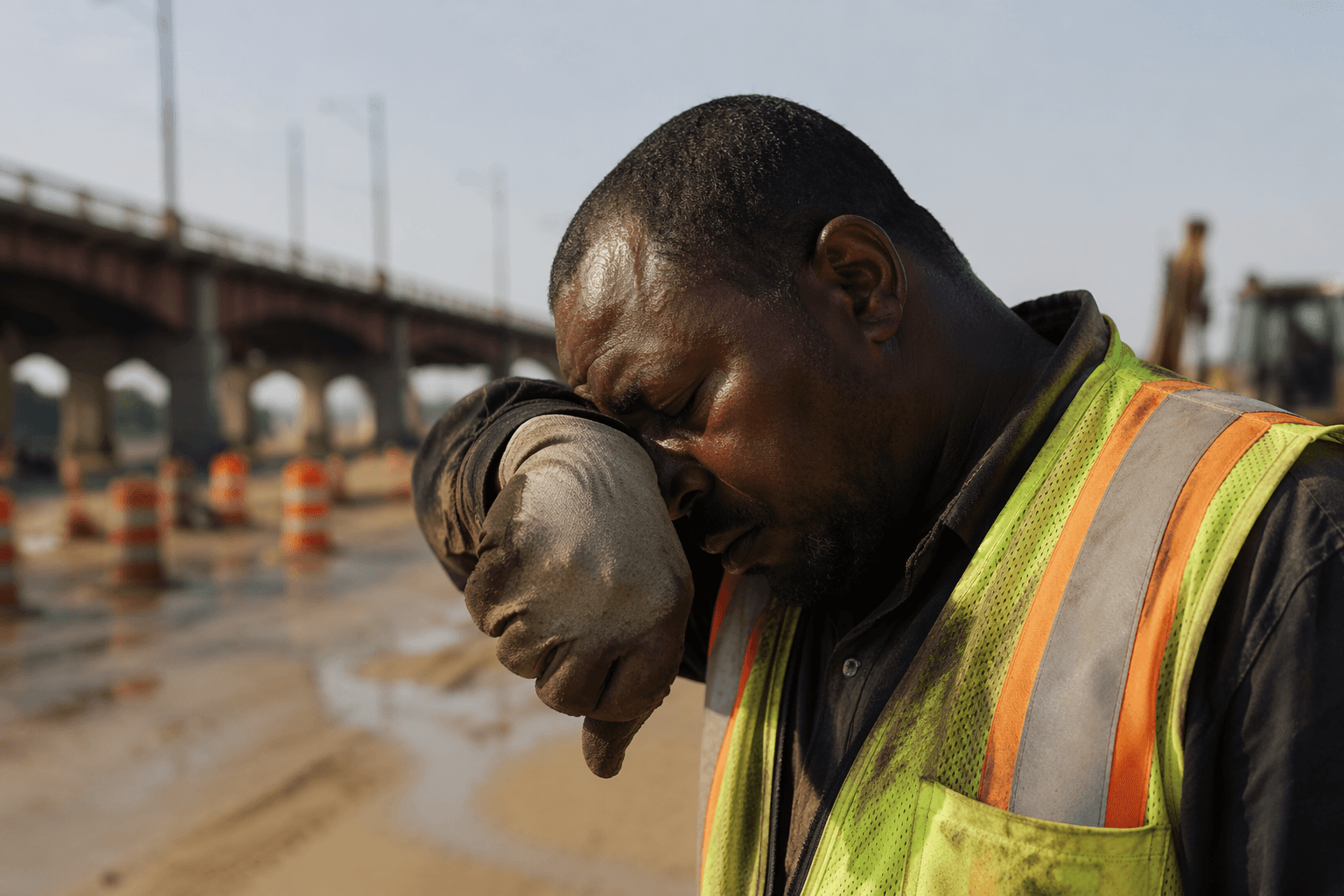
At work, the key point is simple: dangerous heat is not supposed to be business as usual. OSHA says workers can refuse dangerous work if they believe conditions are unsafe or unhealthful, and it defines imminent danger as a situation where death or serious physical harm could occur within a short time. That matters because heat illness can escalate fast, especially in outdoor jobs, warehouses, kitchens, and other indoor spaces without enough cooling.
The U.S. Department of Labor has also said employers should provide adequate cool water, rest breaks, and shade or a cool rest area. Those are not luxuries. They are basic controls that can make the difference between a hard shift and a medical emergency, especially when humidity, long hours, and physical labor pile on top of rising temperatures.
OSHA has been moving toward stronger rules. On August 30, 2024, it published a proposed heat injury and illness prevention rule for outdoor and indoor workplaces. Informal public hearings ran from June 16 through July 2, 2025, and the post-hearing comment period was later extended to October 30, 2025. That rulemaking shows the federal government recognizes the risk, but it also shows the protection gap is still being debated rather than fully closed.
What to do today if your boss ignores the heat
If a supervisor tells you to keep going through dangerous heat, the first move is to speak up as early as possible and put the hazard on record. OSHA says workers should bring unsafe conditions to their employer’s attention when possible. Ask for water, rest breaks, and a cooler place to recover before symptoms start, not after they do.
If conditions feel truly urgent, treat them as a safety problem, not a personal toughness test. Imminent danger means you believe death or serious physical harm could occur within a short time, and that is the standard OSHA uses to describe the most serious situations. Make sure coworkers know the signs of heat illness, and if someone is dizzy, confused, or stops sweating, that is not the moment to wait for permission.
It also helps to document what is happening. Note the temperature, the time, the task, whether shade or cooling is available, and whether water and breaks are being provided. That record can strengthen a complaint, support a union grievance, or help show that the hazard was obvious and ongoing.
Why schools are harder to shut down than people think
Schools sit in a different legal and social position. Attendance is compulsory in the United States, and families depend on schools for food, childcare, and safety. At the same time, children are more vulnerable to heat than adults, which means the same classroom temperature can be far more dangerous for a child than it is for a healthy adult.
The Centers for Disease Control and Prevention says infants and young children rely on others to keep them cool and hydrated when it is hot outside. The U.S. Environmental Protection Agency adds that children have a smaller body mass-to-surface-area ratio and are more likely than adults to become dehydrated, while also being more vulnerable to heat-related illness and death. That combination turns school heat into a public health issue, not just an inconvenience.
England’s Department for Education has taken a practical stance that is useful for comparison: schools generally are not advised to close in hot weather because attendance matters and heat can often be managed safely. Instead, schools are urged to take early action to protect children and staff. That approach reflects the reality that last-minute closures disrupt learning and family routines, but it also puts the burden on schools to prepare before the heat spikes.
What families can demand from schools before the next heatwave
The most important demand is not panic, but preparation. The National Education Union says schools and colleges should work with union representatives to prepare for more frequent extreme heat episodes and to protect the health, safety, and welfare of staff and pupils. That kind of planning should include cooler rooms, schedule changes, water access, and clear triggers for early dismissal or remote alternatives when conditions become unsafe.
The National Center on School Infrastructure says extreme weather is already contributing to lost learning time and school facilities that are not equipped for extreme heat. A 2025 UndauntedK12 map tracks school closures, delays, and early releases from 2021 to 2025 caused by extreme weather, including heat. Taken together, those findings show this is no longer a rare disruption. It is an operational problem that schools need to plan for every year.
- Where can students cool down during the day?
- How will staff know when a room or playground is too hot?
- Are water breaks built into the schedule?
- What is the plan for students with asthma, disabilities, or medication needs?
- Who decides whether to shorten the day, and how quickly will families be told?
If your child’s school acts as if heat is just a comfort issue, push for specific answers:
Why the stakes keep rising
The health burden is already severe. The CDC says more than 700 people die from extreme heat every year in the United States. Heat can also worsen air quality and ozone exposure, which means people are not just coping with heat itself but with a more dangerous breathing environment at the same time.
The policy fight is intensifying because the lack of enforceable temperature thresholds in schools and workplaces remains a major gap. Business groups have pressed about cost and flexibility, while worker advocates argue that delay leaves the people with the least power facing the most direct risk. That tension is not abstract when the heat index climbs and a worker, student, or child has nowhere safe to cool down.
Use the tools already available
For immediate decisions, the CDC’s HeatRisk Dashboard can help you enter a ZIP code and get a personalized heat forecast with recommended actions. That kind of local planning matters because heat risk can change block by block, especially when heat combines with humidity, crowded housing, or long commutes.
The practical lesson is blunt: do not wait for a perfect rule to protect yourself or your children. Ask for water, shade, rest, and cooling now. Push schools and employers to plan before the next heat spike arrives. In a hotter country, the safest systems will be the ones that treat heat as a predictable hazard, not an emergency that has to happen first.
This article was produced by Prism’s automated news system from verified source data, official records, and press releases, then run through automated quality and moderation checks before publishing. The system is built and supervised by the people who set the standards it runs under. Read our full AI policy.
Know something we missed? Have a correction or additional information?
Submit a Tip