Huberman frames cold plunges as one tool among many
Neuroscientist Andrew Huberman outlined his 2026 health routine and placed cold plunges in context, stressing timing, cortisol effects, and low-cost alternatives.

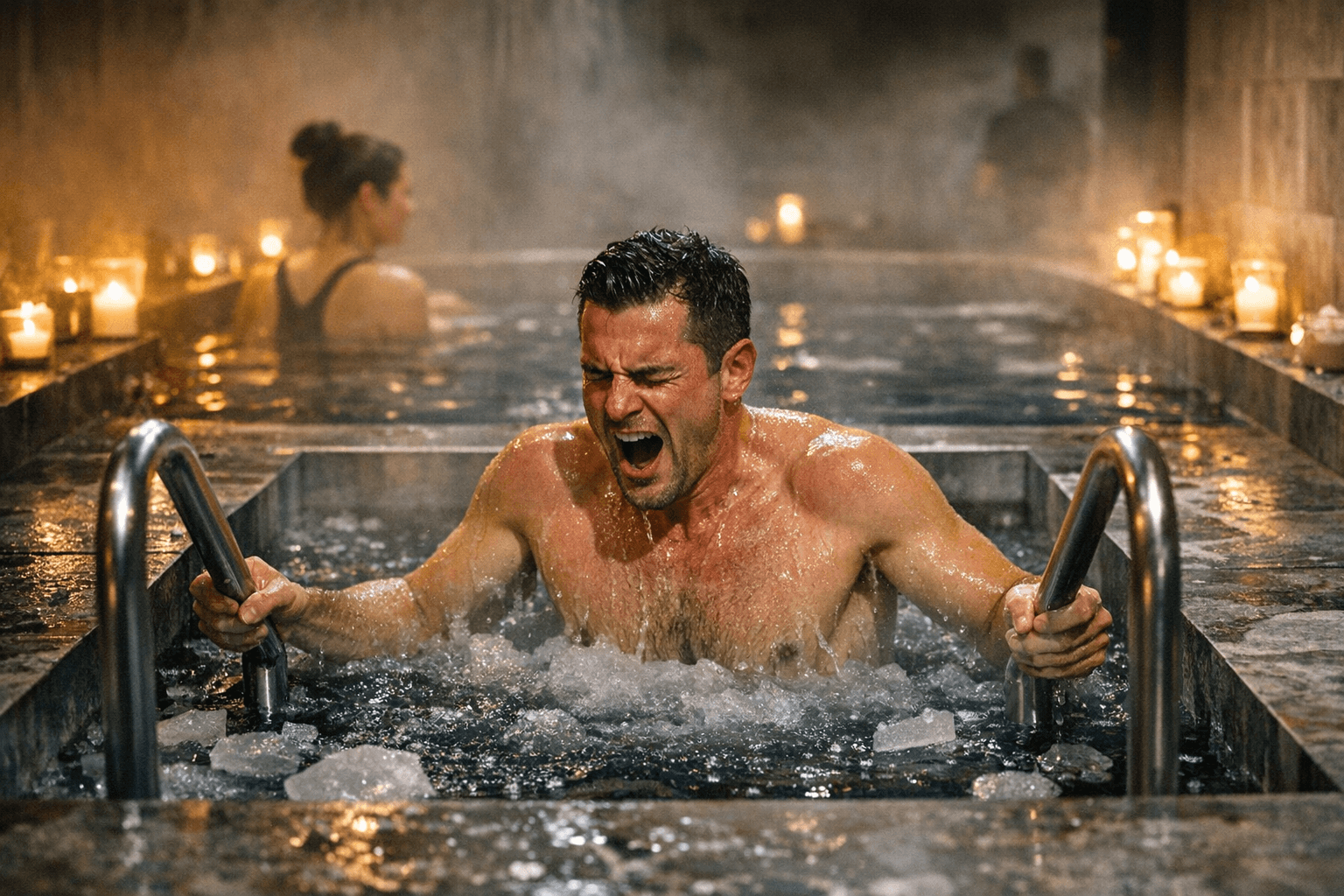
Andrew Huberman laid out a practical, tool-first approach to daily health in a long profile and interview, keeping cold plunges squarely in the recovery toolbox but stripping them of any mandatory mystique. He still uses and recommends cold immersion for its immediate effects on mood, focus and alertness, but framed it as one effective practice among several low-cost, high-impact behaviors.
Central to his approach is cortisol timing, Huberman explained the biological rhythm he aims to work with: a cortisol spike in the morning and low levels at night. That rhythm shapes when cold exposure makes sense. He cautioned against late-night plunges because they can elevate cortisol and interfere with sleep, while recommending morning exposure when the cortisol system is primed to support alertness. His team later reiterated that cold plunges are “a fantastic way to increase mood, focus, and alertness” though not essential to a healthy routine.
Huberman balanced the cold-plunge endorsement with a push for foundational, accessible practices: bright-morning light, movement, and simple recovery habits. Those elements are positioned as baseline tools that deliver consistent gains in energy, circadian health, and resilience without specialized equipment. Cold immersion becomes a complementary spike tool, useful when you want an acute lift in focus or mood, but not a required daily ritual.
For the ice-bath community, the message is both freeing and tactical. Treat the plunge as a high-leverage option in a wider protocol: pair a morning plunge or cold exposure with bright light and light movement to amplify alertness, and avoid plunging close to bedtime to protect sleep architecture. For people who lack a tub or dedicated plunge setup, replicate much of the benefit by prioritizing morning light and short bouts of movement until you can safely incorporate cold exposure and acclimation work.
This framing shifts the conversation from religious observance to practical application. Cold exposure remains a potent biohack for acute outcomes, but Huberman’s emphasis on timing, cortisol, and low-cost habits helps make routines more inclusive and sustainable.
The takeaway? Use the plunge when you want a clean, fast spike in alertness, but don’t let the ice be the only arrow in your quiver. Prioritize light and movement, time exposure to your cortisol rhythm, and treat cold immersion as a tool, not dogma. Our two cents? Start simple, time it in the morning, and let the plunge amplify habits you already have in place.
Know something we missed? Have a correction or additional information?
Submit a Tip