Hungary Election Could End Orban Standoff With EU Funds Frozen
Peter Magyar’s surge raised the prospect of unfreezing about €18 billion in EU funds, but Hungary’s clash with Brussels ran deeper than one election.
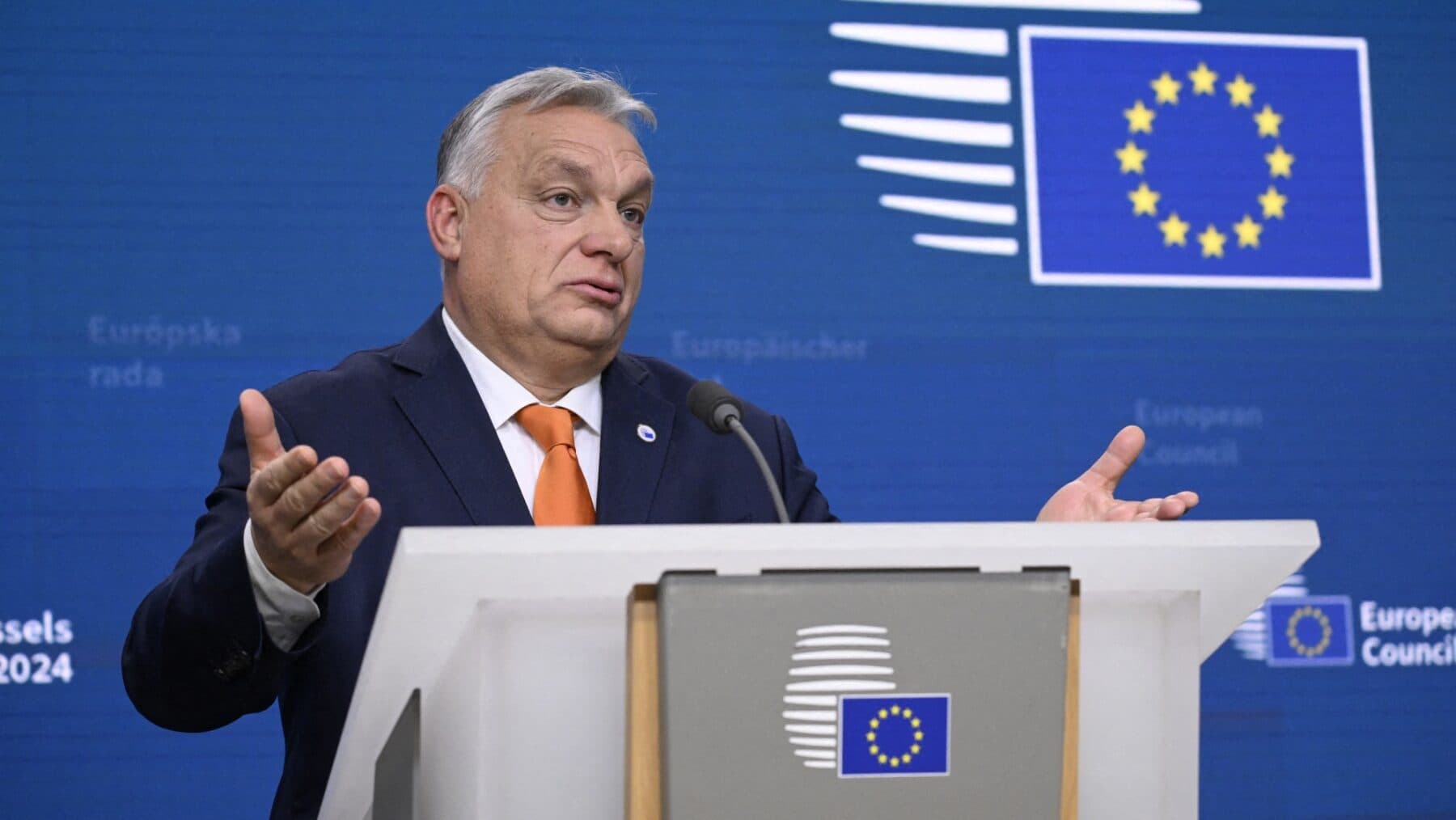
Hungary’s vote became a test of whether Viktor Orban’s 16-year standoff with Brussels could finally start to thaw. Peter Magyar’s rise, and the possibility that his Tisza Party could win enough seats to reshape the country’s laws, put the future of frozen EU money at the center of the campaign.
The immediate prize was concrete: the European Commission had withheld roughly €18 billion in cohesion and recovery funds over rule-of-law concerns, a penalty that combined about €8.4 billion in cohesion money and €9.5 billion in pandemic recovery financing. Hungary also permanently lost about €1.04 billion when a tranche expired at the end of 2024 under the bloc’s conditionality mechanism, the first time an EU member state suffered a permanent loss of funding under that system.
That money dispute cut to the heart of the broader fight between Budapest and Brussels. The Commission and the European Parliament have pressed Hungary over corruption, political financing, conflicts of interest, judicial independence and media independence, while Orban has repeatedly clashed with the bloc over migration policy and his close ties to Russia during the war in Ukraine. Those disputes have made Hungary one of the EU’s most persistent internal obstacles on issues that require unity.
Magyar’s Tisza Party offered Brussels its clearest opening in years. The party has been described as pro-European and reform-minded, with a platform centered on improving relations with the EU and tackling corruption. Polling before the vote suggested Tisza could even secure a two-thirds parliamentary majority, which would give it the power to amend the constitution and key laws needed to satisfy Brussels and unlock the frozen funds.

Markets treated that possibility as more than symbolism. Investors saw a Magyar victory as potentially positive for Hungary’s access to EU money, and the forint strengthened on expectations that a change in leadership could ease the pressure. In Brussels and other European capitals, Orban’s defeat was widely read as a chance to lower tensions, even if only partly.
The limits of any reset were plain. Unfreezing money could happen faster than changing the deeper habits that have defined Hungary’s conflict with the EU. A new government might move quickly on the legal reforms Brussels wants, but migration disputes, Russia policy and the politics of vetoes have become structural features of Hungary’s role in the bloc. Magyar’s election would not erase those tensions overnight. It would only open the possibility that Budapest could stop being Europe’s most durable spoiler.
This article was produced by Prism’s automated news system from verified source data, official records, and press releases, then run through automated quality and moderation checks before publishing. The system is built and supervised by the people who set the standards it runs under. Read our full AI policy.
Did this article answer your question?