Hungary ousts Orbán in landslide, signaling pro-European reset
Orbán’s defeat cut Moscow’s closest ally inside the EU loose, and Budapest’s pro-European shift could reshape sanctions politics, Ukraine policy and bloc unity.
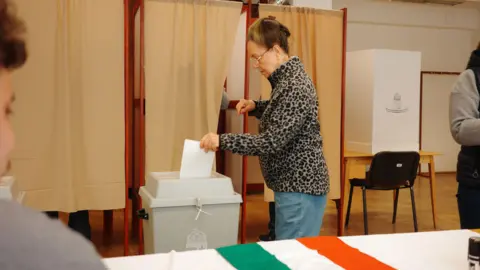
Viktor Orbán’s 16-year grip on power ended with a defeat that rippled far beyond Budapest, stripping Moscow of one of its most dependable allies inside the European Union. Péter Magyar’s center-right, pro-European Tisza party was projected to win a landslide and a supermajority in Hungary’s 199-seat parliament, after partial official results showed it leading with more than 53% of the vote to about 38% for Orbán’s Fidesz.
Later tallies suggested Tisza could take 138 seats, compared with 55 for Fidesz, while the far-right Mi Hazánk, or Our Homeland, also won representation. Turnout was the highest since the 1990s, a sign of how much hung on the result in a country of a little more than 9 million people and how sharply voters embraced the chance to reset the political order.
Orbán conceded defeat on April 12, calling the result “painful” but “clear” and congratulating Magyar. The concession closed a political era in which Orbán became known in Brussels for frustrating EU efforts on rule-of-law cases, sanctions policy and support for Ukraine, and for maintaining a close line with the Kremlin even as most of Europe hardened against Moscow.
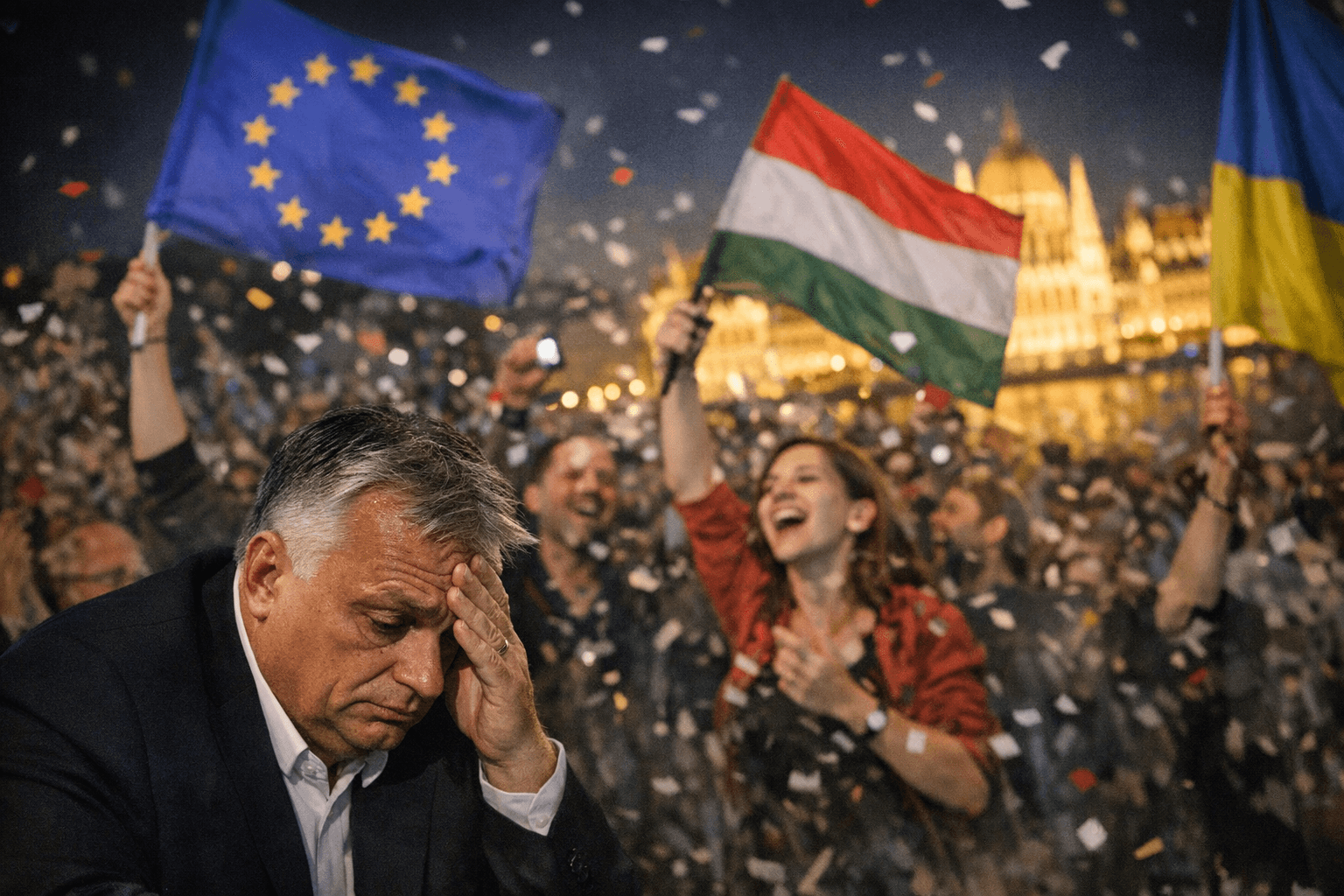
European leaders moved quickly to frame the outcome as a wider continental shift. European Commission President Ursula von der Leyen posted that “Hungary has chosen Europe” and that “Europe’s heart is beating stronger in Hungary tonight.” The message captured the stakes in a contest that has been about more than one country’s domestic politics: Hungary has often been the EU’s most disruptive holdout on measures targeting Russia, and Orbán’s exit raises the prospect of fewer veto threats and less obstruction from the bloc’s center.
In Budapest, the mood was celebratory, but the deeper implications lie in Moscow. Orbán’s fall removes a key pro-Kremlin voice from the heart of Europe and may make it harder for Russia to rely on Hungarian resistance inside the EU. If Magyar translates his mandate into policy, Hungary could enter a pro-European reset that changes the balance in sanctions politics, strengthens EU unity and narrows one of Moscow’s most useful channels of leverage in Europe.
This article was produced by Prism’s automated news system from verified source data, official records, and press releases, then run through automated quality and moderation checks before publishing. The system is built and supervised by the people who set the standards it runs under. Read our full AI policy.
Did this article answer your question?


