Ukraine presses EU to unlock 90 billion euro loan after Hungary vetoes it
Kyiv wants the EU to free up a 90 billion euro loan after Orbán’s veto, and Hungary’s election defeat could clear a major roadblock.
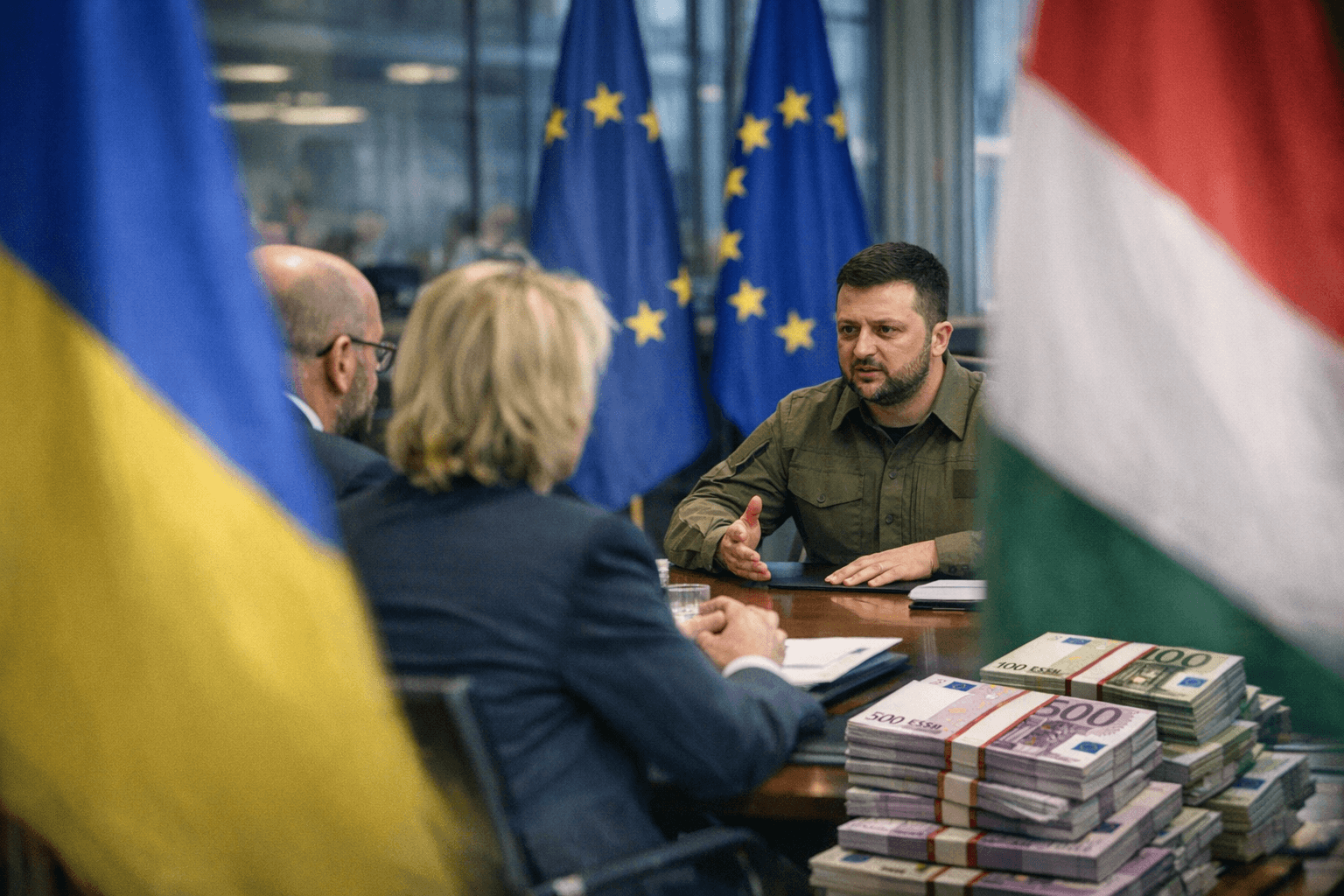
Ukraine is pressing the European Union to unlock a 90 billion euro support loan that Brussels says is meant to keep the government running and sustain the war effort, after Viktor Orbán blocked the plan and tied it to a separate dispute over the Druzhba oil pipeline. The package would be one of the bloc’s biggest financial commitments to Kyiv in 2026 and 2027, and it now hangs on whether Hungary’s political shift finally removes the EU’s most visible spoiler.
The European Commission’s plan splits the loan into about 30 billion euros for budget support and 60 billion euros for defence procurement, including an initial product schedule centered on drones. The European Council agreed in principle on 18 December 2025 to provide the loan, but the legislative process still has to be finalized before money can flow. On 1 April 2026, the Commission said it had already taken preparatory steps and that the first disbursement would follow Council approval.
Orbán’s government stopped that path, with the Hungarian leader linking his veto to the Druzhba pipeline and Russian oil transit. Brussels and Kyiv have insisted that the pipeline fight has nothing to do with Ukraine’s financing package. European Commission President Ursula von der Leyen said the loan would be delivered “one way or another,” while European Council President António Costa urged Hungary to lift its veto immediately.
The stakes are larger than a single loan. The Commission says the International Monetary Fund estimates Ukraine will need about 135 billion euros in 2026 and 2027 to keep the state functioning and support resistance on the battlefield. Volodymyr Zelenskyy has been pressing the EU for a workaround, warning that the money is vital not only for the budget but for Ukraine’s wider war effort.
Orbán’s obstruction also fed a broader fight in Brussels over how to handle Hungary’s repeated vetoes on Ukraine aid and sanctions. In March 2026, EU leaders accused him of using the blockade to score domestic political points. That argument now looks different after Orbán lost Hungary’s 12 April 2026 election to Péter Magyar’s Tisza Party after 16 years in power. The result is likely to shift the balance inside the EU and improve the odds that the loan moves forward, while also making it harder for Budapest to stall future Ukraine financing and sanctions decisions. For Kyiv, the question is no longer only whether one veto is gone, but whether Europe is finally ready to act with fewer internal escape hatches.
This article was produced by Prism’s automated news system from verified source data, official records, and press releases, then run through automated quality and moderation checks before publishing. The system is built and supervised by the people who set the standards it runs under. Read our full AI policy.
Did this article answer your question?


