U.S. orders blockade of Iranian ports after failed talks in Islamabad
U.S. forces moved to seal off Iranian ports after 21 hours of failed talks in Islamabad. The order jolted crude markets and raised the risk to neutral shipping.
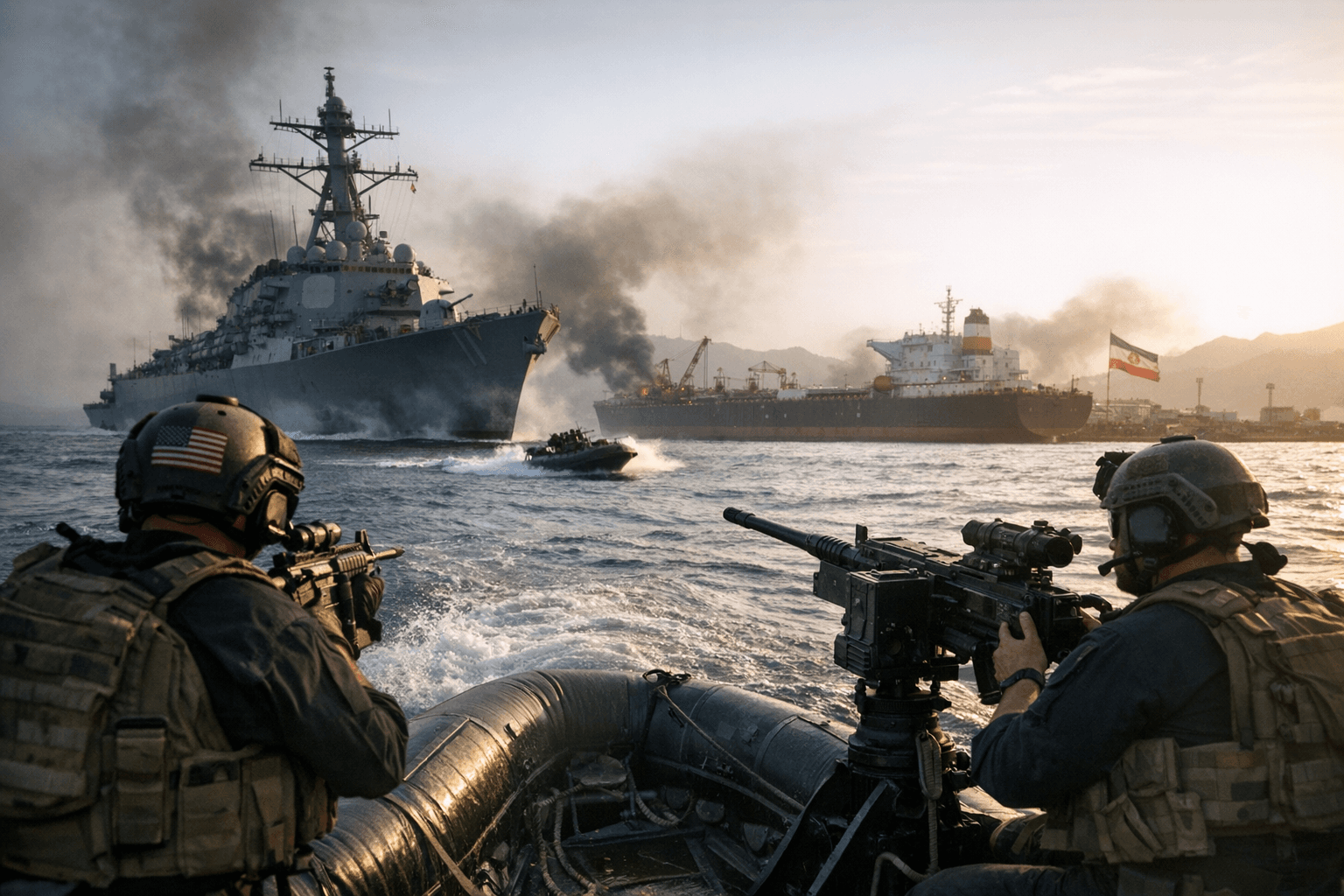
U.S. Central Command began enforcing a blockade of Iranian ports at 10 a.m. Eastern Time, ordering all maritime traffic entering and leaving Iranian ports and coastal areas to be halted under a measure it said would be enforced “impartially against vessels of all nations.” The order covered Iranian ports on the Arabian Gulf and the Gulf of Oman, while CENTCOM said it would not impede freedom of navigation for ships transiting the Strait of Hormuz to and from non-Iranian ports.
The move followed 21 hours of direct U.S.-Iran talks in Islamabad that ended without agreement. Vice President JD Vance said Iran had rejected Washington’s terms, and Pakistan called on both sides to uphold the ceasefire while saying it would keep facilitating dialogue. Reuters said the Islamabad meeting was the first direct U.S.-Iran contact in more than a decade and the highest-level engagement since Iran’s 1979 Islamic Revolution.
The blockade is a sharp test of how far U.S. pressure can go before it turns into a wider international crisis. The Strait of Hormuz carries about one-fifth of the world’s oil and liquefied natural gas flows, and UN Trade and Development said traffic through the waterway had already fallen from about 130 ship transits a day in February to just 6 a day in March, a drop of roughly 95 percent. CENTCOM said commercial mariners would receive additional information through a formal notice and advised ships operating in the Gulf of Oman and the approaches to the Strait of Hormuz to monitor Notice to Mariners broadcasts and contact U.S. naval forces on bridge-to-bridge channel 16.
The legal and military line is now in the details of enforcement. A blockade announced against vessels of all nations is meant to deter Iran by choking maritime commerce, but it also creates the risk that neutral shipping will be stopped, diverted or turned back in waters that carry global energy trade. That is the point where deterrence can become direct confrontation, especially if U.S. forces begin boarding, seizing or firing on vessels that are not bound for Iranian ports.
Markets moved immediately. Crude prices jumped, and tanker traffic around the area halted again within hours of the announcement, with some vessels turning back. With diplomacy stalled and commercial traffic already thinning, the burden now falls on U.S. commanders, Iranian authorities and shipping companies to avoid a maritime clash that could spread far beyond the Strait of Hormuz.
Know something we missed? Have a correction or additional information?
Submit a Tip