Hungary votes as Orbán faces peril, EU watches for shift
Orbán’s election night could decide whether Fidesz keeps the 133-seat supermajority that lets it reshape Hungary’s courts, media and Ukraine policy.
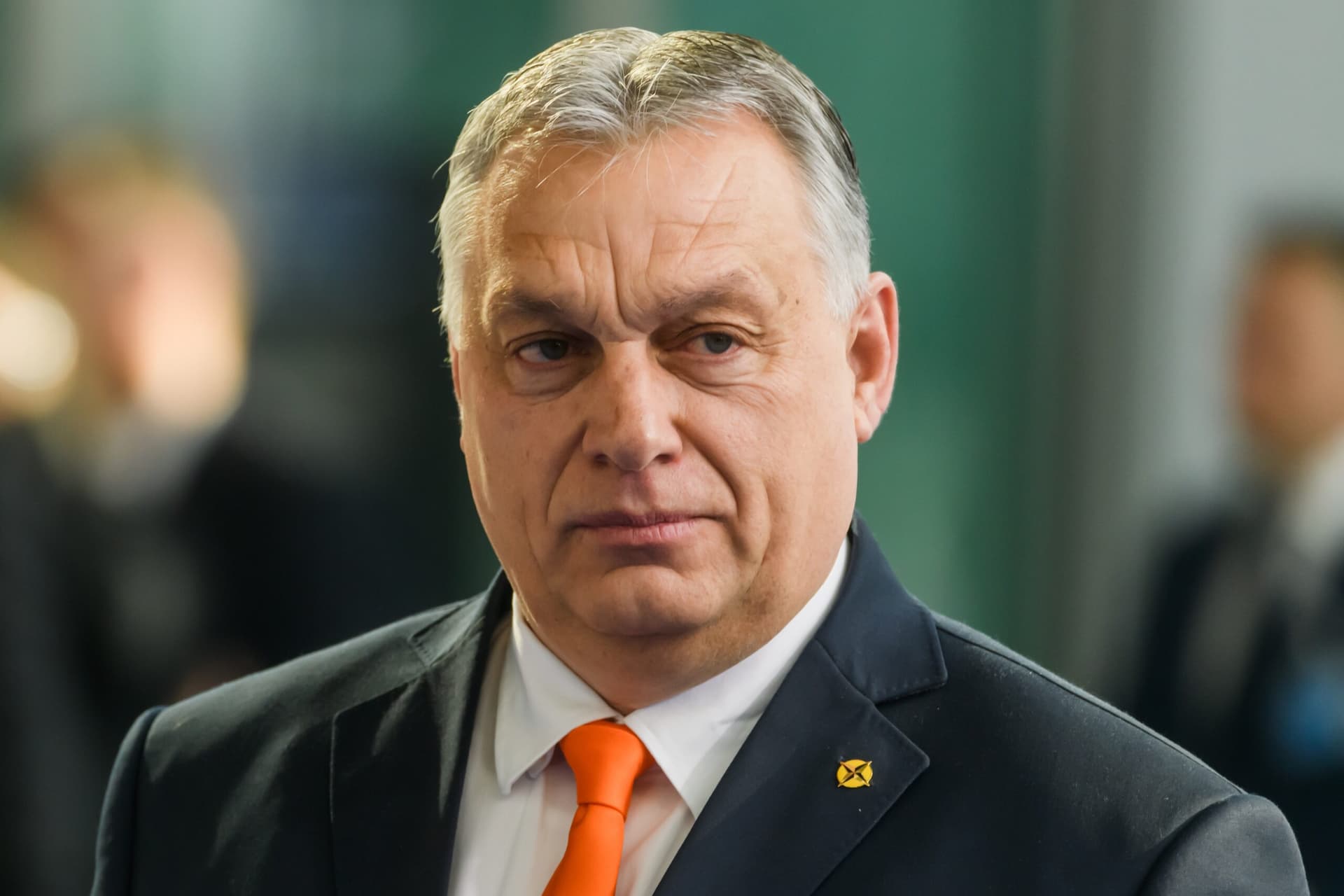
Hungarians voted on Sunday in a parliamentary election that could end Viktor Orbán’s long run in power and decide whether his Fidesz-KDNP alliance keeps the supermajority that has let it reshape the state since 2010. Polls opened at 6 a.m. and were due to close at 7 p.m. local time, with 199 National Assembly seats at stake under a mixed system of 106 single-member constituencies and 93 national list seats.
The line that matters most is 133 seats. That is the two-thirds threshold that unlocks constitutional change and other cardinal laws, the same leverage Orbán’s government has used to alter Hungary’s courts, public institutions and media rules over more than a decade in office. In the 2022 election, Fidesz-KDNP won 135 of 199 seats with about 53.1% of the vote, on turnout near 70%, a reminder of how efficiently Hungary’s system can translate a clear but not overwhelming vote lead into sweeping parliamentary control.
A victory for Orbán would preserve that machinery and keep Hungary on its current path in Brussels and Kyiv. He has repeatedly clashed with European Union institutions, cultivated ties with Moscow and resisted or blocked elements of European support for Ukraine. A loss, or even a result that strips him of a two-thirds majority, would immediately weaken his hand in the courts and in the media environment, and force a harder rethink of Hungary’s stance on sanctions, Ukraine aid and relations with the EU.
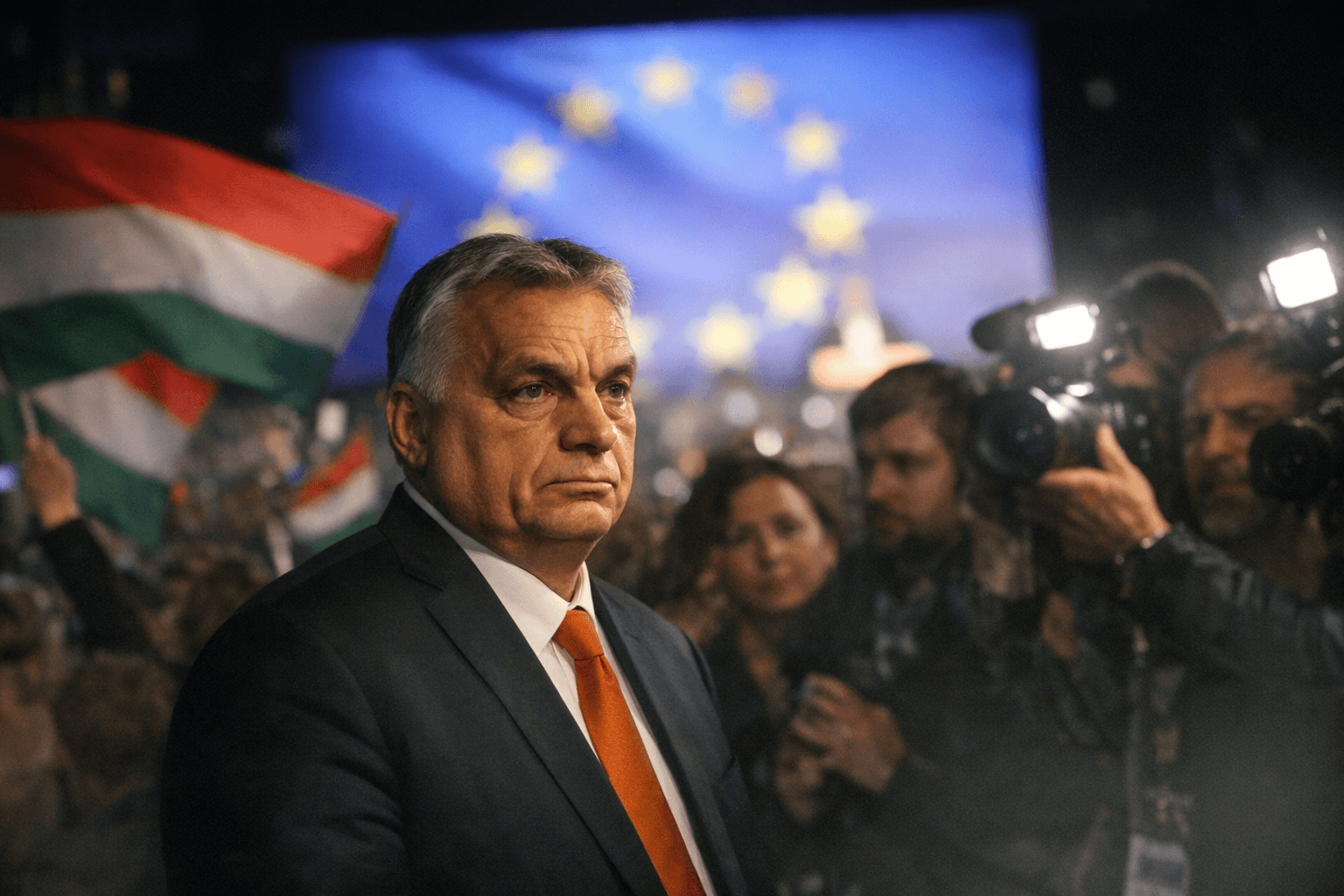
The contest has also become the sharpest challenge Orbán has faced since returning to office in 2010. Péter Magyar and his Tisza Party have emerged as the main opposition threat, turning the race into a test of whether a former Fidesz insider can break the governing camp’s grip on power. The campaign has centered on foreign policy, corruption, energy security and public services, all in a highly polarized atmosphere.
Election-day mechanics matter because they shape the margin as much as the winner. Observers are watching turnout against the 2022 benchmark, especially the balance between Budapest and other urban areas and the countryside, where Fidesz has traditionally been strongest. OSCE/ODIHR’s monitoring mission is also focused on the fairness of the media environment, pressure on independent journalists and the integrity of the mixed voting system, all of which could matter as much as the final seat total for Hungary’s relationship with the European Union, the United States, Russia and Ukraine.
This article was produced by Prism’s automated news system from verified source data, official records, and press releases, then run through automated quality and moderation checks before publishing. The system is built and supervised by the people who set the standards it runs under. Read our full AI policy.
Did this article answer your question?