IAEA and Iran clash over access to nuclear sites in US deal
Inspectors may reach Bushehr, but Iran says access to bombed enrichment sites waits for a final deal, leaving 440.9 kg of 60% uranium in dispute.

Inspectors will visit Iranian enrichment sites under the new U.S.-Iran interim arrangement, Rafael Grossi said, but Tehran immediately pushed back on how far that access will go. The director general of the International Atomic Energy Agency said the agency was still “working on modalities,” signaling that the practical rules for inspections have not been settled even as verification is being treated as a core part of the agreement.
Kazem Gharibabadi, Iran’s deputy foreign minister, said access to attacked nuclear sites and nuclear materials would be dealt with only in a final agreement with the United States. He tied any decision to practical steps by the other side to end sanctions, underscoring the gap between what Washington and Vienna are describing and what Tehran says it has actually accepted.
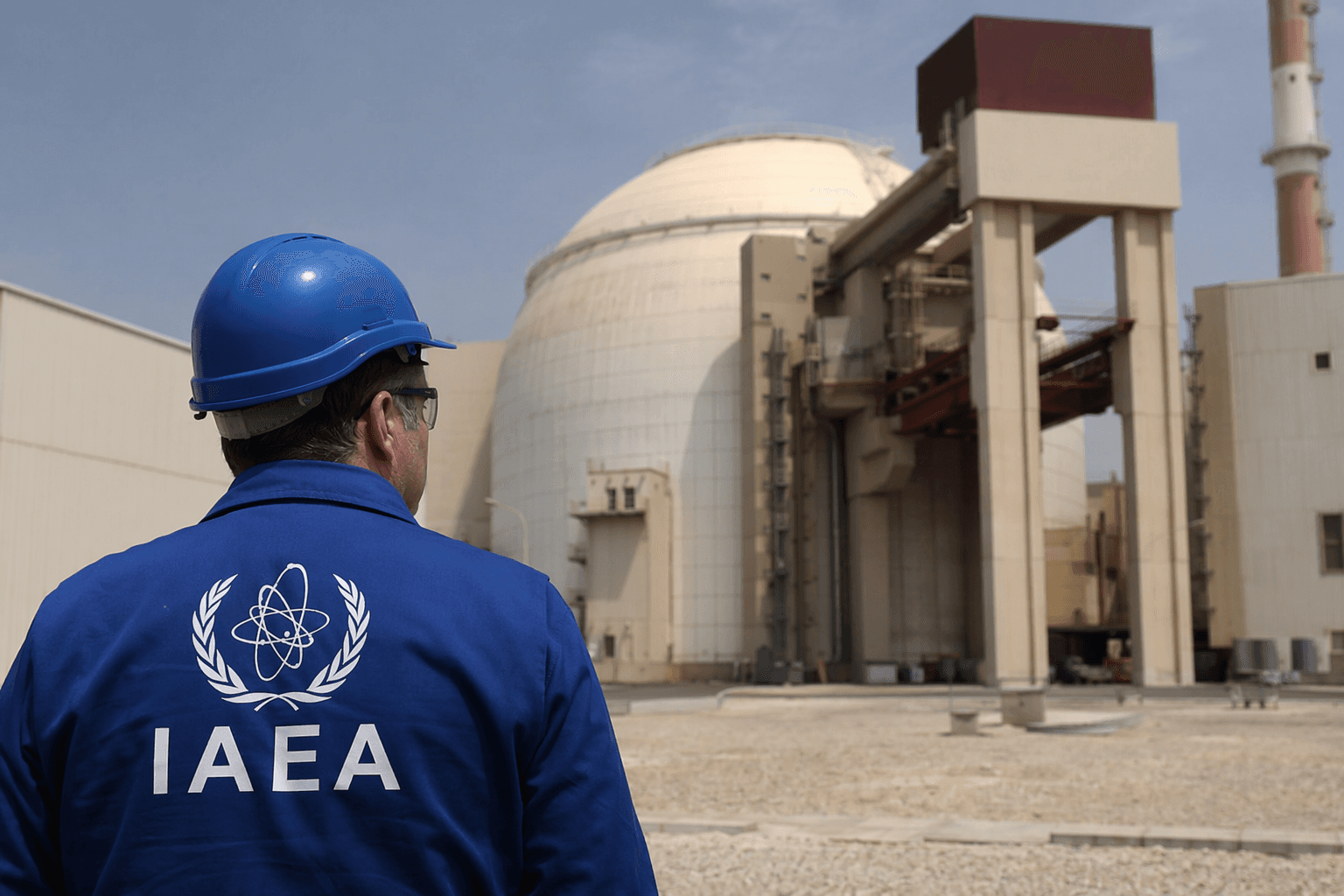
The split matters because the IAEA says it has been able to inspect other nuclear sites in Iran, including Bushehr, but not the enrichment facilities themselves. Without entry to those sites, the agency says it cannot fully verify the status of Iran’s stockpile or check centrifuge cascades. The agency had already signaled on June 18, 2026, after an initial Iran-US memorandum aimed at ending the war was signed, that technical work could begin, and Grossi proposed sitting down with both parties to define concrete verification measures.
The timing is tight. Technical-level U.S.-Iran talks are expected to resume early next week in Switzerland, while the broader package under discussion already includes Iranian oil sales and, in exchange, commitments on nuclear inspections and free transit through the Strait of Hormuz. That makes the inspection calendar more than a procedural detail: it is the test of whether the deal can produce evidence, not just announcements.
The scale of what is at stake was underlined by the IAEA estimate cited by U.S. News that Iran had 440.9 kg of uranium enriched to up to 60% before the first attack on June 13 of last year. That level is only a short step from weapons-grade enrichment, which is why access to the damaged sites, and the timing of that access, will determine whether any U.S.-Iran deal can be treated as credible.
This article was produced by Prism’s automated news system from verified source data, official records, and press releases, then run through automated quality and moderation checks before publishing. The system is built and supervised by the people who set the standards it runs under. Read our full AI policy.
Know something we missed? Have a correction or additional information?
Submit a Tip