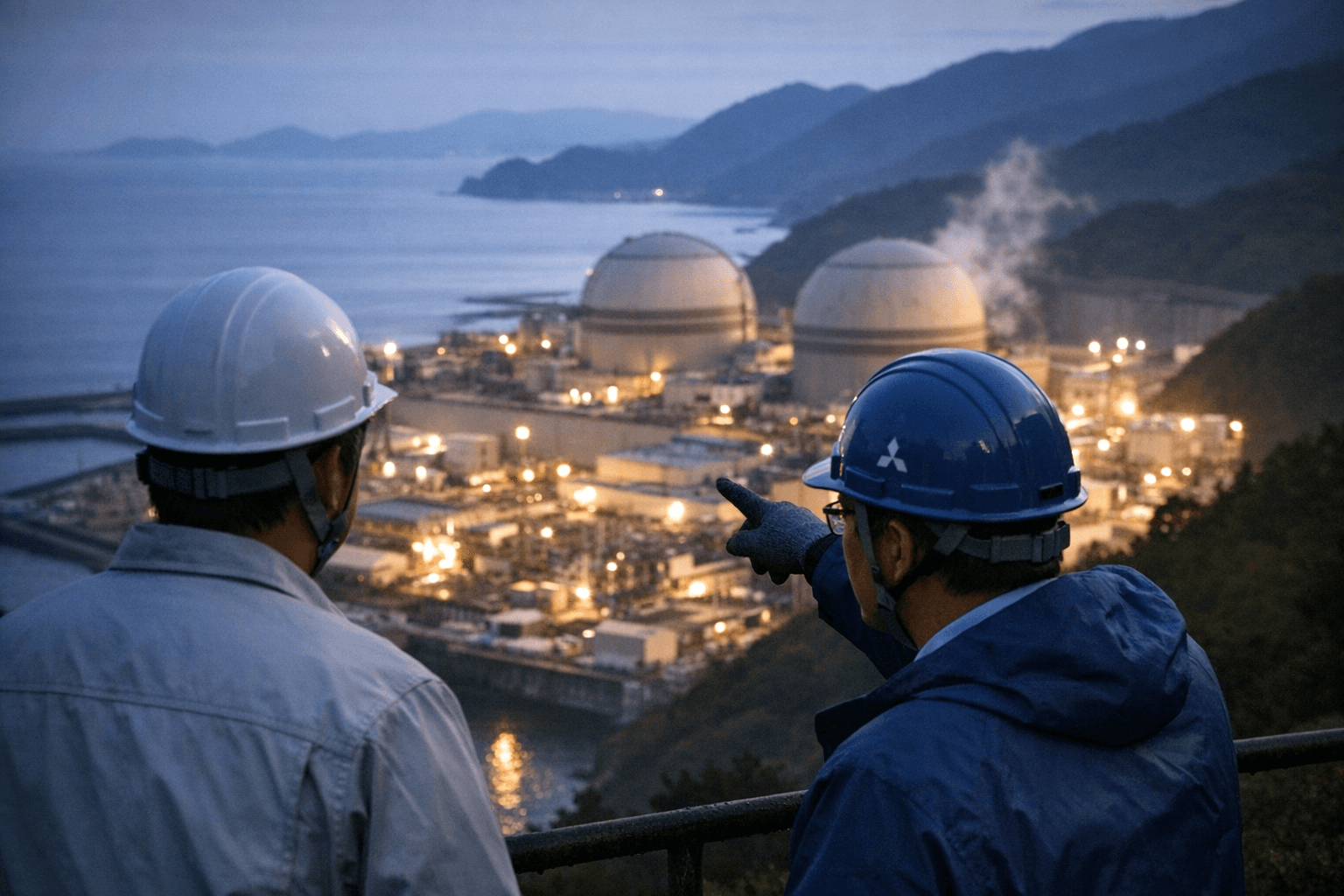
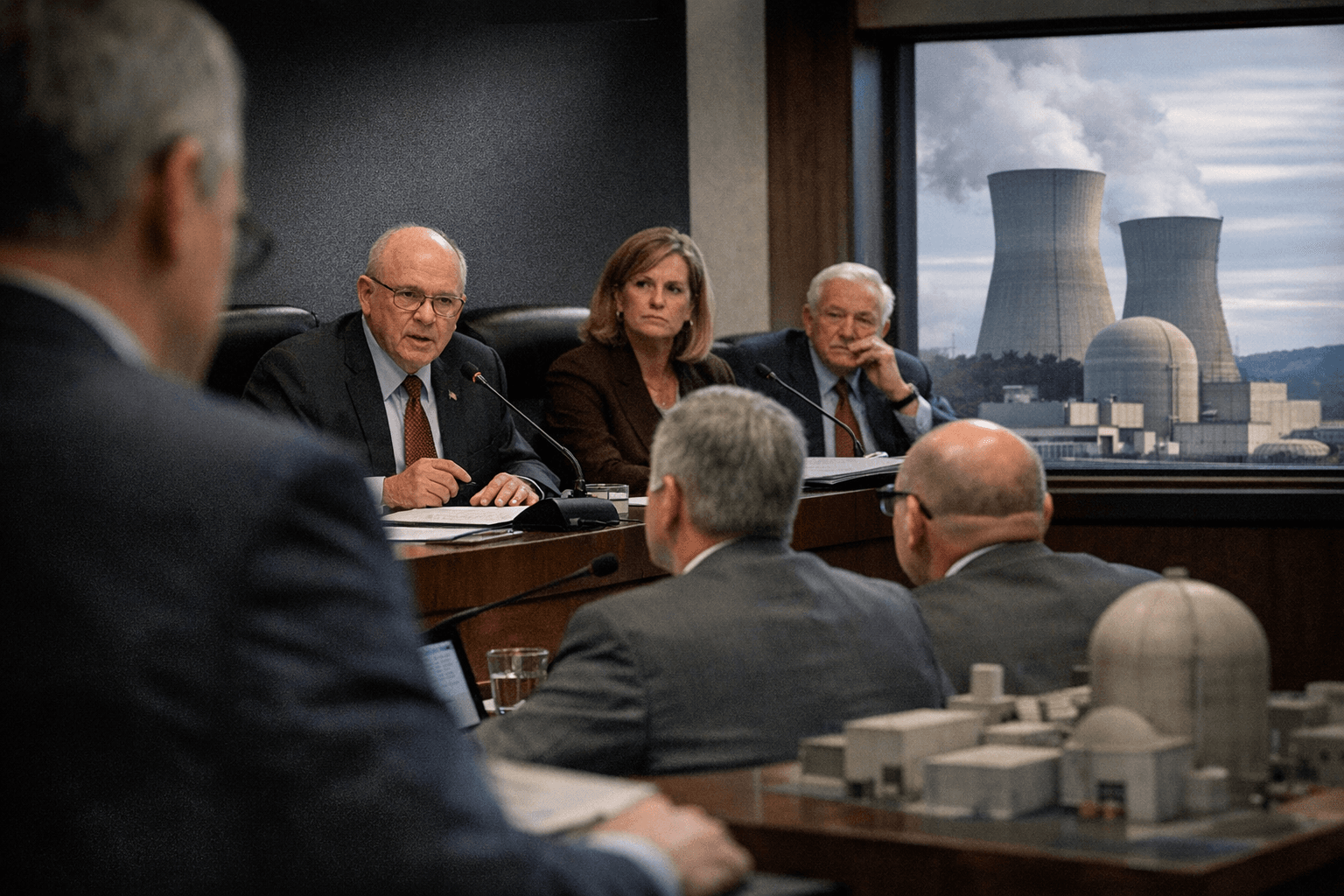
IAEA Chief Grossi Addresses Nuclear Safety, Safeguards After Attacks in Iran
IAEA chief Rafael Grossi warned March 2 in Vienna that attacks tied to the Iran conflict could cause a radiological release requiring evacuations as large as major cities.
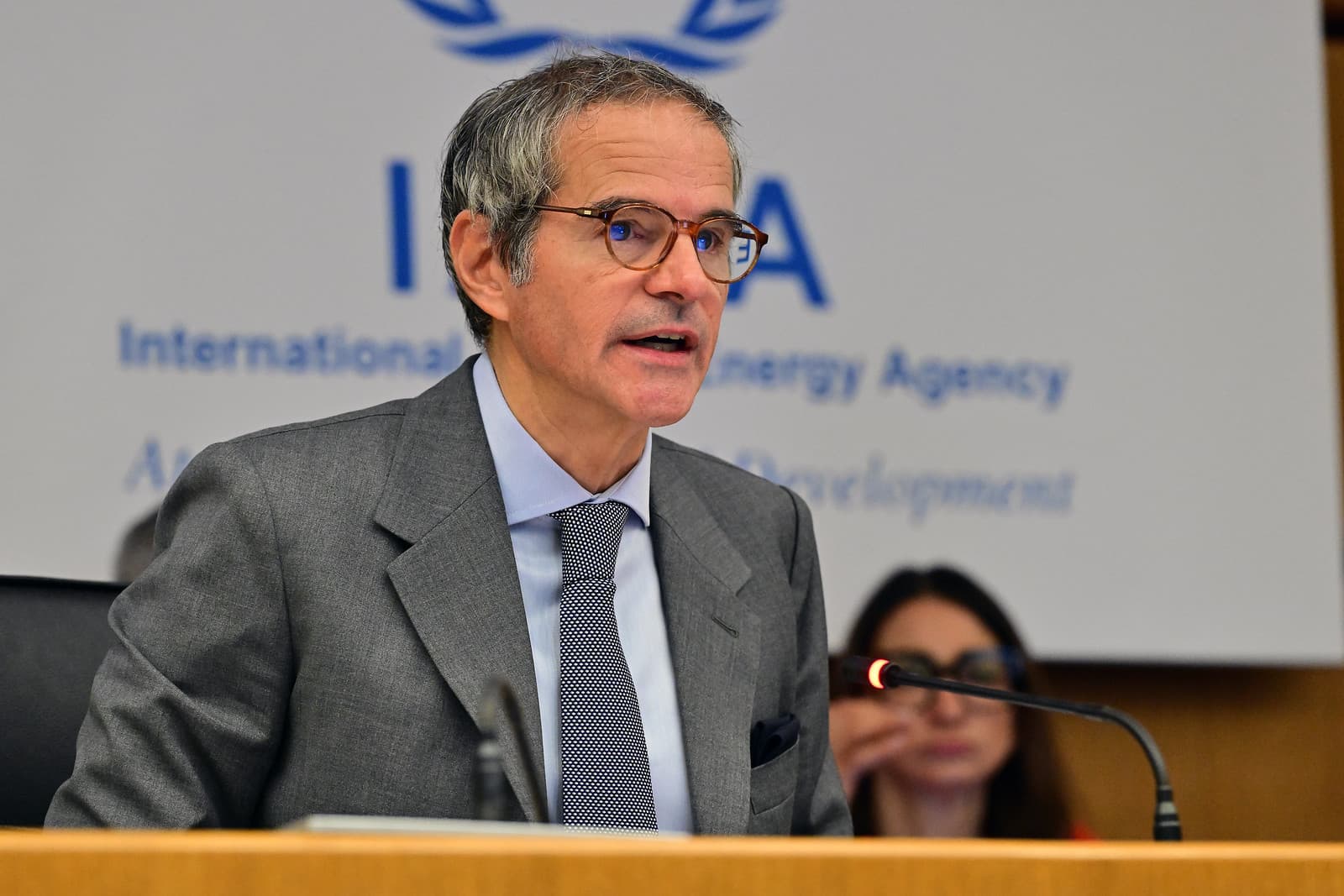
Rafael Mariano Grossi told a special session of the IAEA Board of Governors in Vienna on March 2, 2026 that recent military attacks in the Islamic Republic of Iran and the wider Middle East carry acute nuclear safety risks. “We cannot rule out a possible radiological release with serious consequences, including the necessity to evacuate areas as large or larger than major cities,” Grossi said, and he added, “We therefore urge utmost restraint in all military operations.”
Grossi told governors there was, as of his March 2 statement, “so far no indication that Iranian nuclear facilities have been damaged or hit in the ongoing Israeli and US attacks,” while the meeting record also noted that “Israel and the United States struck and heavily damaged Iranian nuclear facilities last June.” He flagged that nuclear reactors and technology across the region — explicitly naming the United Arab Emirates, Jordan and Syria — face “heightened nuclear safety risks,” and the Board briefing cited “several other Gulf countries with nuclear facilities” that have “come under fire in Iranian retaliatory attacks.”
On the safeguards side, Grossi pressed the proliferation risk tied to enrichment in Tehran, saying, “There is still a significant amount of uranium enriched to 60% isotopic purity in Iran, which is practically the level required for the manufacture of nuclear weapons.” He warned that a formal Iranian withdrawal from the Treaty on the Non‑Proliferation of Nuclear Weapons would be destabilizing, stating, “This would only aggravate the situation of tension that is already being experienced.” The IAEA, Grossi said in his wider remarks, remains engaged in dialogue with Tehran and other key actors, including the US, to restore monitoring and prevent further escalation.
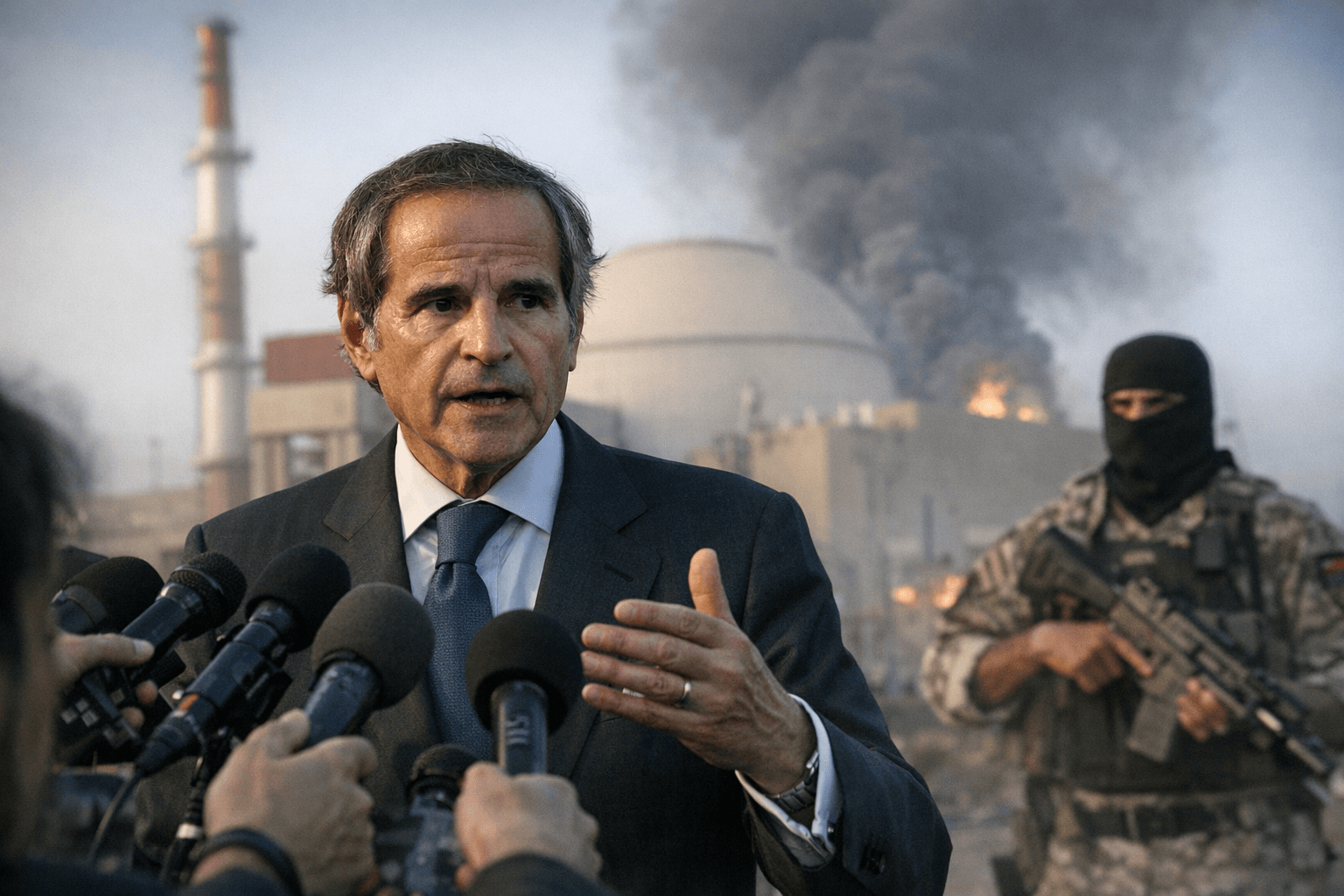
Grossi balanced the Middle East alarm with a reminder of ongoing crisis work in Ukraine from his Jan. 30, 2026 Board remarks: “The conflict in Ukraine is about to enter its fifth year. It continues to pose the world’s biggest threat to nuclear safety.” He reported IAEA teams were on the ground at all the nuclear power plants affected in Ukraine and that an expert mission was underway to assess 10 electrical substations “crucial to nuclear safety,” a follow-up to sites visited in December 2025. He described the Agency’s mediation role, saying, “We are exercising this function of permanent observation and mediating between both belligerents to achieve, for example, specific ceasefires. We have already successfully negotiated four that allow us to carry out, for example, repairs on the high voltage lines that surround the plant, in order to precisely avoid radiological emergency situations.”
United Nations General Assembly President Csaba Kőrösi, speaking in the same broader IAEA context, urged Middle Eastern states “to cooperate fully with the Agency” and said, “The IAEA also has a central role to play in establishing a nuclear‑weapons‑free zone in the Middle East.” Grossi’s March 2 appeal for restraint, his safeguard warnings about 60% enrichment, and the IAEA’s simultaneous crisis work in Ukraine frame a mounting operational burden for the agency as it seeks to keep monitoring and safety measures running amid regional hostilities.
Know something we missed? Have a correction or additional information?
Submit a Tip