Mitsubishi Heavy sees record ¥400 billion nuclear sales from Japan reactor restarts
Mitsubishi Heavy expects its nuclear unit to post a record ¥400 billion in sales next business year as reactor restarts lift orders, CFO Hiroshi Nishio says.
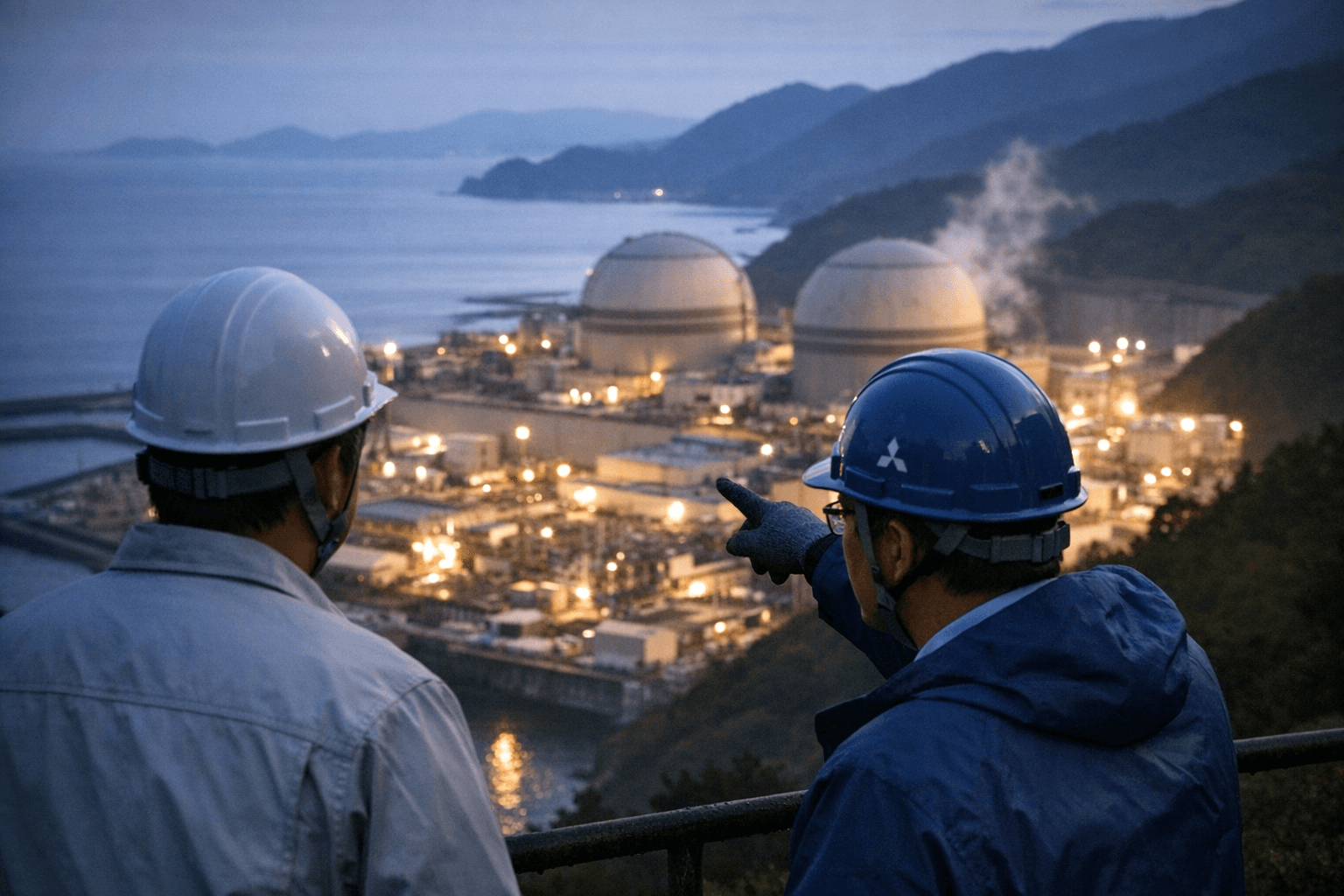
Mitsubishi Heavy Industries expects its nuclear power unit to hit a record ¥400 billion in sales in the next business year as Japanese reactor restarts drive fresh orders, company finance chief Hiroshi Nishio said. Using an exchange rate of $1 = 157.4300 yen, that target is roughly $2.54 billion and, Nishio said, sits well ahead of earlier forecasts.
"Originally, we were saying it might reach 400 billion yen around 2030," Nishio said in an interview, underscoring how restart momentum has accelerated the timeline for revenue growth. Nishio added the company retained staff and capabilities through the post-Fukushima period: "We maintained people and technology under the conviction that nuclear power would inevitably need to restart." As orders expand, Mitsubishi Heavy plans to raise headcount in its reactor division by about 10 percent next year.
The sales surge ties directly to Japan’s restart program: fifteen of the country’s 33 reactors are now operational, a shift that executives link to immediate procurement and service demand for pressurized water reactors and related systems. Mitsubishi Heavy makes PWRs and is working with Japanese utilities on a next-generation reactor design the firm says will be safer than the units that melted down at Fukushima, a strategic push intended to win both domestic retrofit work and future new-build contracts.
Mitsubishi Heavy also credits the Rokkasho spent-fuel reprocessing plant with helping sustain its nuclear business during the long post-2011 downturn. The Rokkasho facility separates reusable uranium and plutonium from high-level radioactive waste, providing technical work that kept people and technology in place while restarts were stalled.
Company-wide context points to broader momentum: Mitsubishi Heavy expects to log about ¥3 trillion in sales for the fiscal year ending March, with its power systems division accounting for more than 30 percent of overall sales last year. The firm’s positioning spans civilian power systems and defense work, and executives say energy policy will be central to Japan’s economic trajectory. "Japan must grow economically and energy policy plays a large role in that," Hideaki Omiya, chief executive of the company’s atomic reactor business, said in an interview.
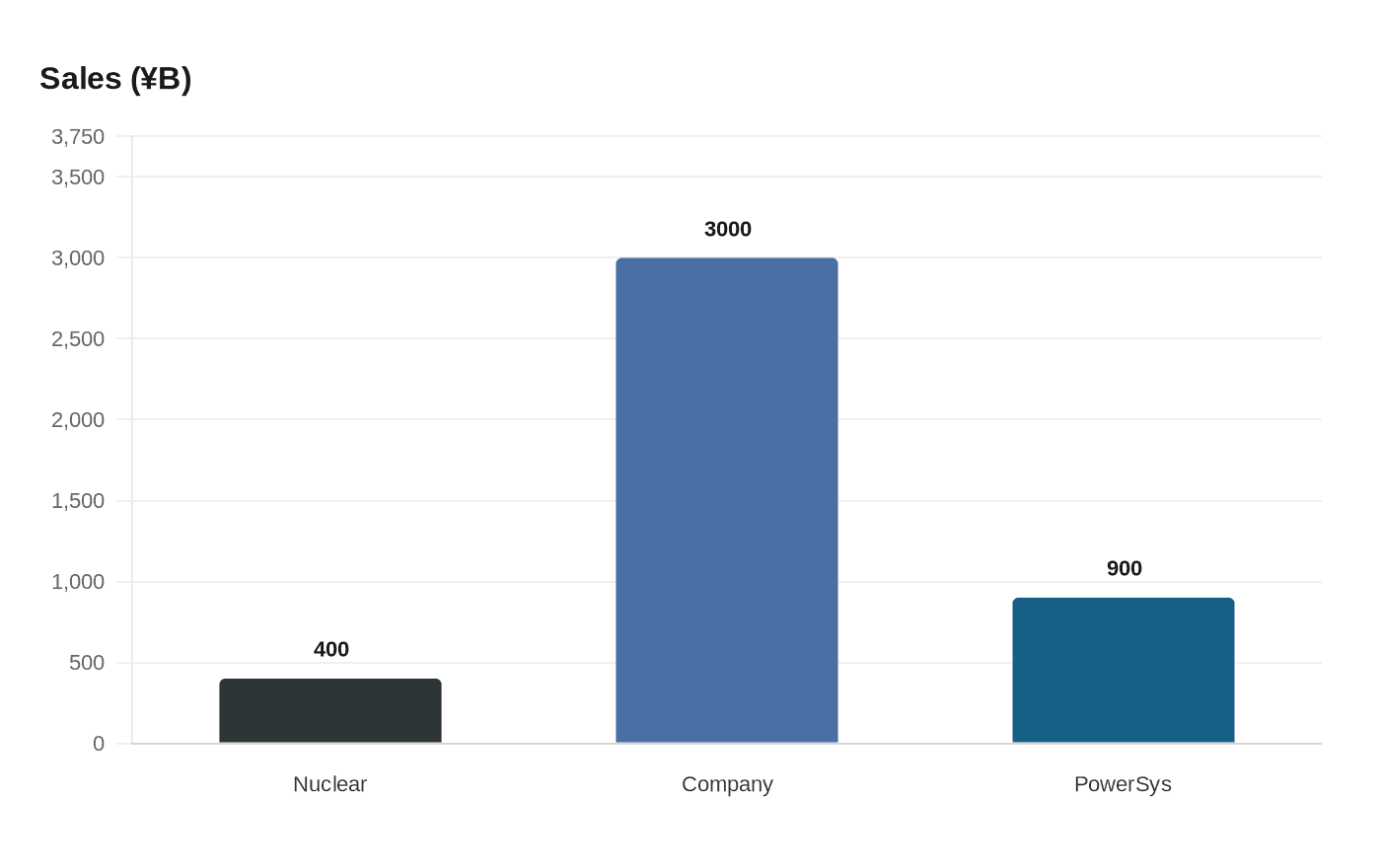
With a ¥400 billion nuclear-sales target now within reach earlier than anticipated, Mitsubishi Heavy is moving from preservation to expansion: adding roughly 10 percent more reactor staff, pushing next-generation reactor development with utilities, and leaning on reprocessing and service contracts built up since Fukushima. The company’s tactics signal a focused industrial response to the restart wave that is reshaping procurement, staffing, and reactor-safety narratives across Japan’s nuclear sector.
Know something we missed? Have a correction or additional information?
Submit a Tip