ICC orders 8.5 million in reparations for 65,000 Timbuktu victims
The ICC set aside €7.25 million for 65,202 Timbuktu victims, turning a conviction into collective repair after the city’s 2012 Islamist occupation.
For 65,202 direct and indirect victims in Timbuktu, justice now takes the form of collective repair: the International Criminal Court has set Al Hassan Ag Abdoul Aziz Ag Mohamed Ag Mahmoud’s reparations liability at about €7.25 million, or roughly $8.5 million, for abuses carried out under the city’s harsh Islamist rule.
The order, issued in The Hague on 28 April 2026, follows Al Hassan’s conviction on 26 June 2024 for crimes against humanity including torture, persecution and other inhumane acts, and for war crimes including torture, outrages upon personal dignity, mutilation, cruel treatment, and passing sentences without previous judgment by a regularly constituted court. He was later sentenced to 10 years in prison on 20 November 2024.
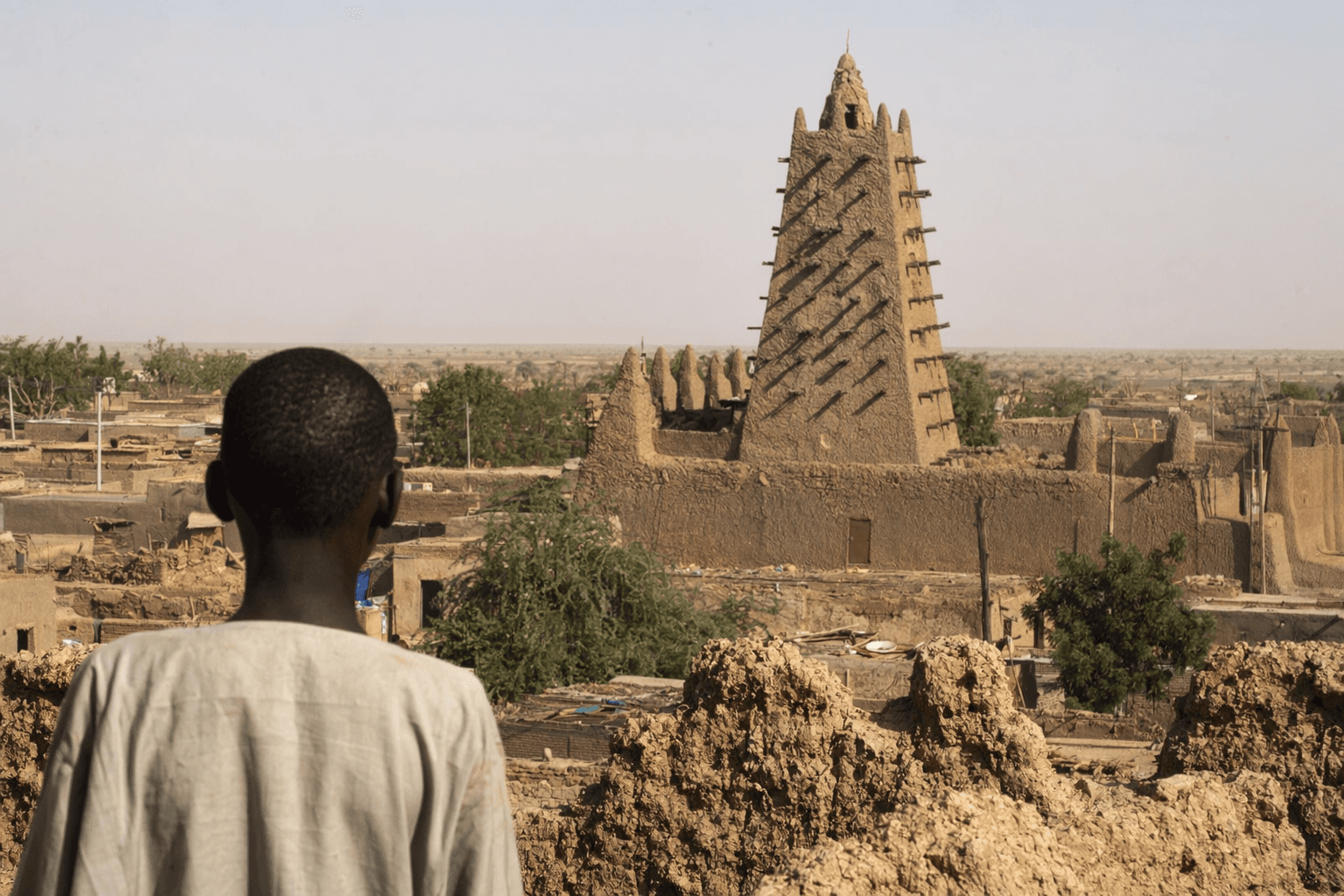
The crimes took place between 2 April 2012 and 29 January 2013, when Timbuktu in northern Mali was under the control of Ansar Dine and Al-Qaida in Islamic Maghreb. The court identified Al Hassan as a key figure in the Islamic police force that enforced public floggings and other punishments, with women and girls bearing a disproportionate share of the repression because their daily lives were most tightly controlled.
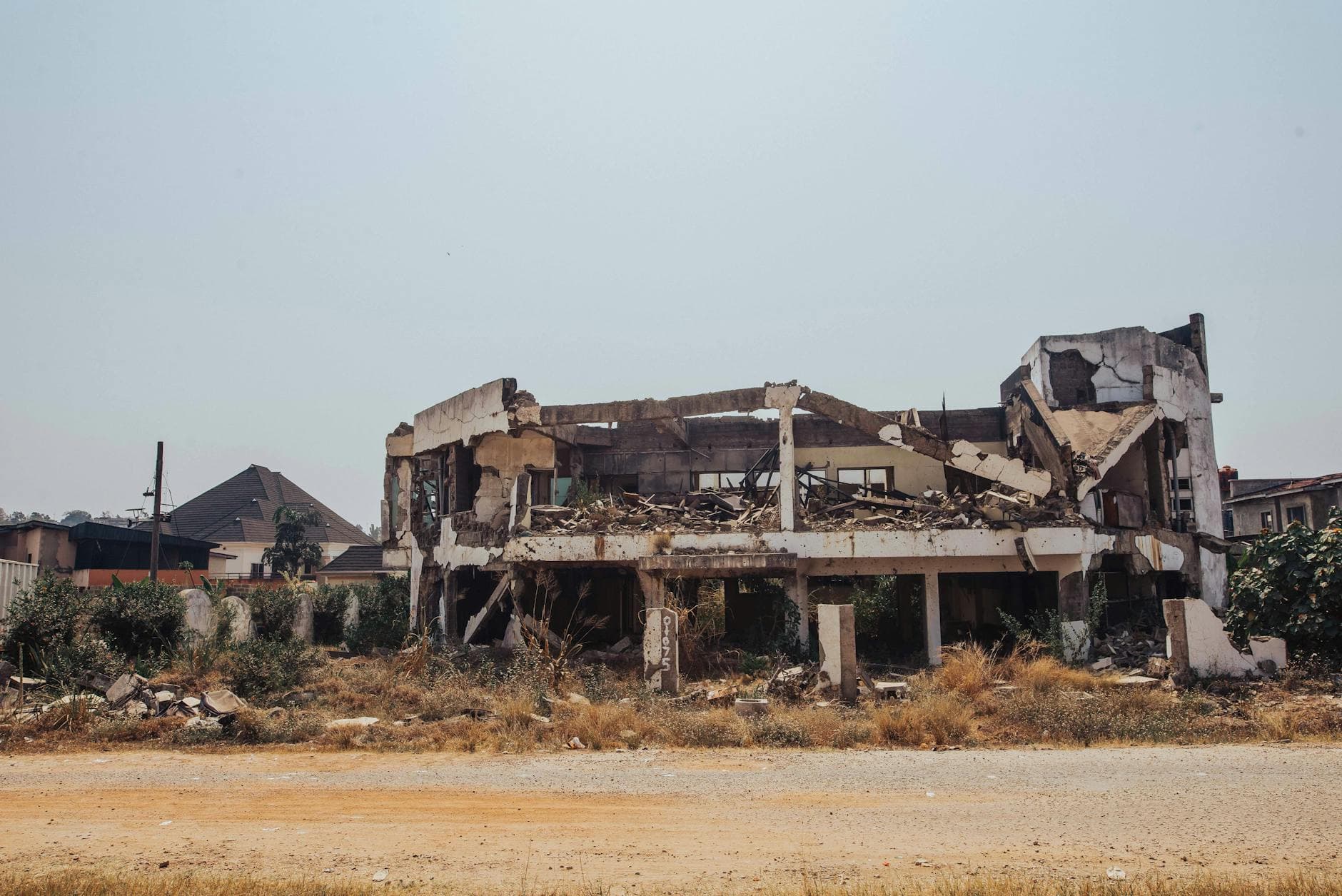
The reparations are designed to reach a vast victim pool through collective community-based measures, with a limited individualised component focused on rehabilitation, symbolic recognition and satisfaction measures. The court’s approach includes educational programs, training and psychological support, reflecting the reality that a one-time payment cannot restore lives broken by fear, exclusion and years of cultural damage. A reparations hearing was held on 17 September 2025 before the order was issued.

Because Al Hassan cannot pay, the plan will be carried out through the ICC Trust Fund for Victims, which has a two-fold mandate: to implement court-ordered reparations and to provide physical, psychological and material support to victims and their families. The fund must submit an implementation plan for judicial approval, and the case will be watched closely as a test of whether international justice can do more than impose prison terms. The ICC is already administering five other active reparations orders through the same fund, making the Timbuktu case part of a broader effort to turn convictions into concrete help years after mass harm has been inflicted.
This article was produced by Prism’s automated news system from verified source data, official records, and press releases, then run through automated quality and moderation checks before publishing. The system is built and supervised by the people who set the standards it runs under. Read our full AI policy.
Did this article answer your question?


