ICE extends no-bid contract for major Texas detention center
ICE kept Camp East Montana open with a no-bid extension that could send Amentum more than $1.2 billion. Critics had pushed to close the Fort Bliss camp.
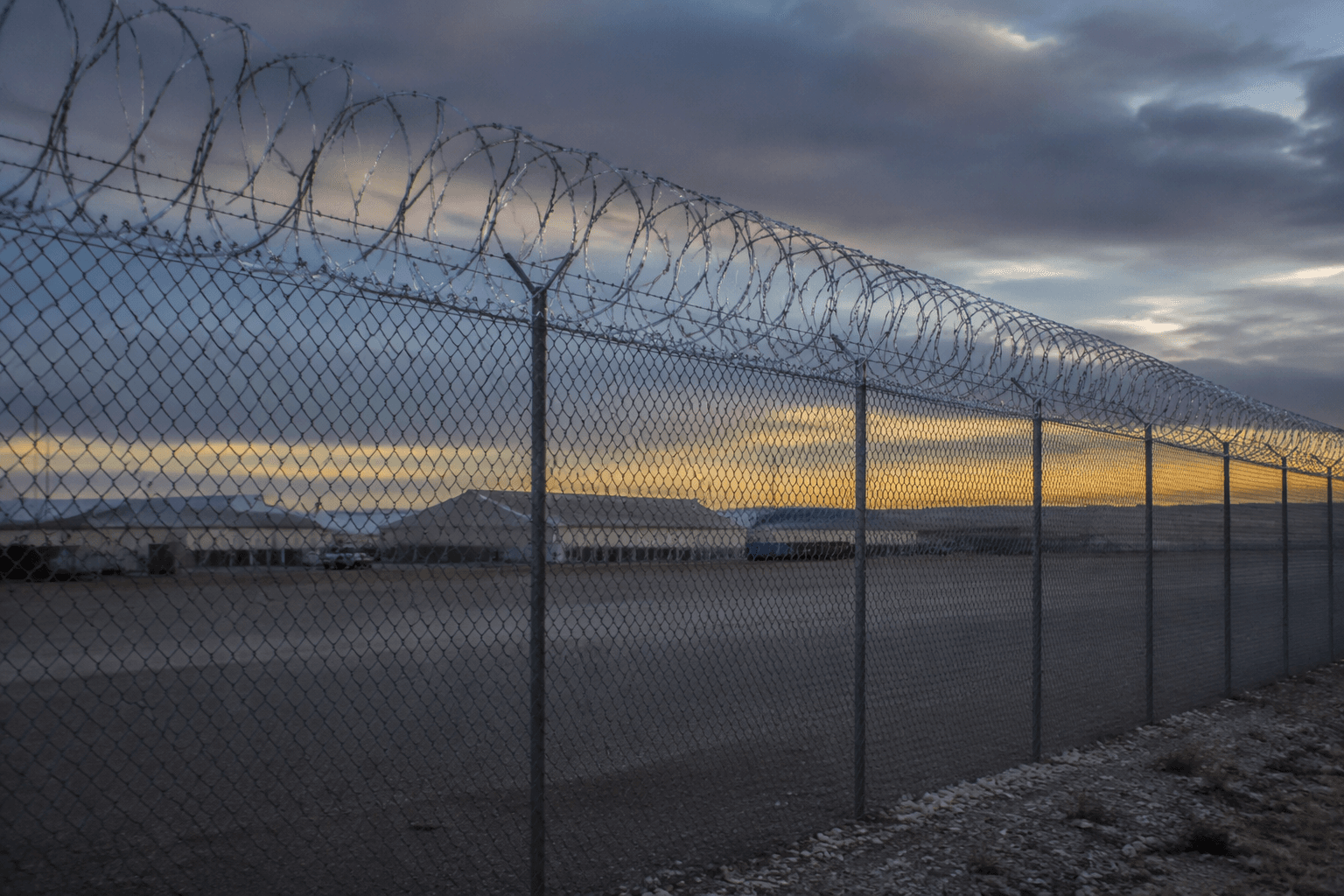
ICE extended a no-bid contract for Camp East Montana, the detention center on the Fort Bliss Army base outside El Paso, Texas, keeping the facility open despite calls to shut it down. The deal could send Amentum more than $1.2 billion and preserve one of the country’s larger immigration detention operations.
The agency said moving detainees or changing contractors would disrupt operations. But the award, made without a competitive bidding process, locked in a private operator at a facility that has become a flashpoint in the wider fight over immigration detention, procurement transparency and who profits when the federal government expands bed space.
Camp East Montana has faced scrutiny over 911 calls, pain, despair and allegations of human rights abuses. A 2026 Government Accountability Office report titled “Waste and Performance Issues at Camp East Montana” found problems at the site, adding to the criticism that has followed the camp since it opened.
The contract extension landed as immigration enforcement remained tied to detention capacity. Immigration officials planned to spend $38.3 billion to boost detention capacity to 92,000 beds, a scale of spending that made the Fort Bliss contract part of a much larger federal expansion. Texas has been one of the central hubs in that system, where detention centers sit at the intersection of border enforcement, contractor oversight and local economic interests.
By bypassing competition, ICE kept a politically fraught facility operating and left Amentum as the clear financial beneficiary. The decision showed how detention is sustained through procurement choices as much as through policy debate, even at a center critics had pushed to close.
This article was produced by Prism’s automated news system from verified source data, official records, and press releases, then run through automated quality and moderation checks before publishing. The system is built and supervised by the people who set the standards it runs under. Read our full AI policy.
Did this article answer your question?