Lifeguards battle dangerous waves to save young swimmer in California
Two lifeguards held back ferocious waves to keep a young swimmer from being swept offshore as rip currents churned California beaches.
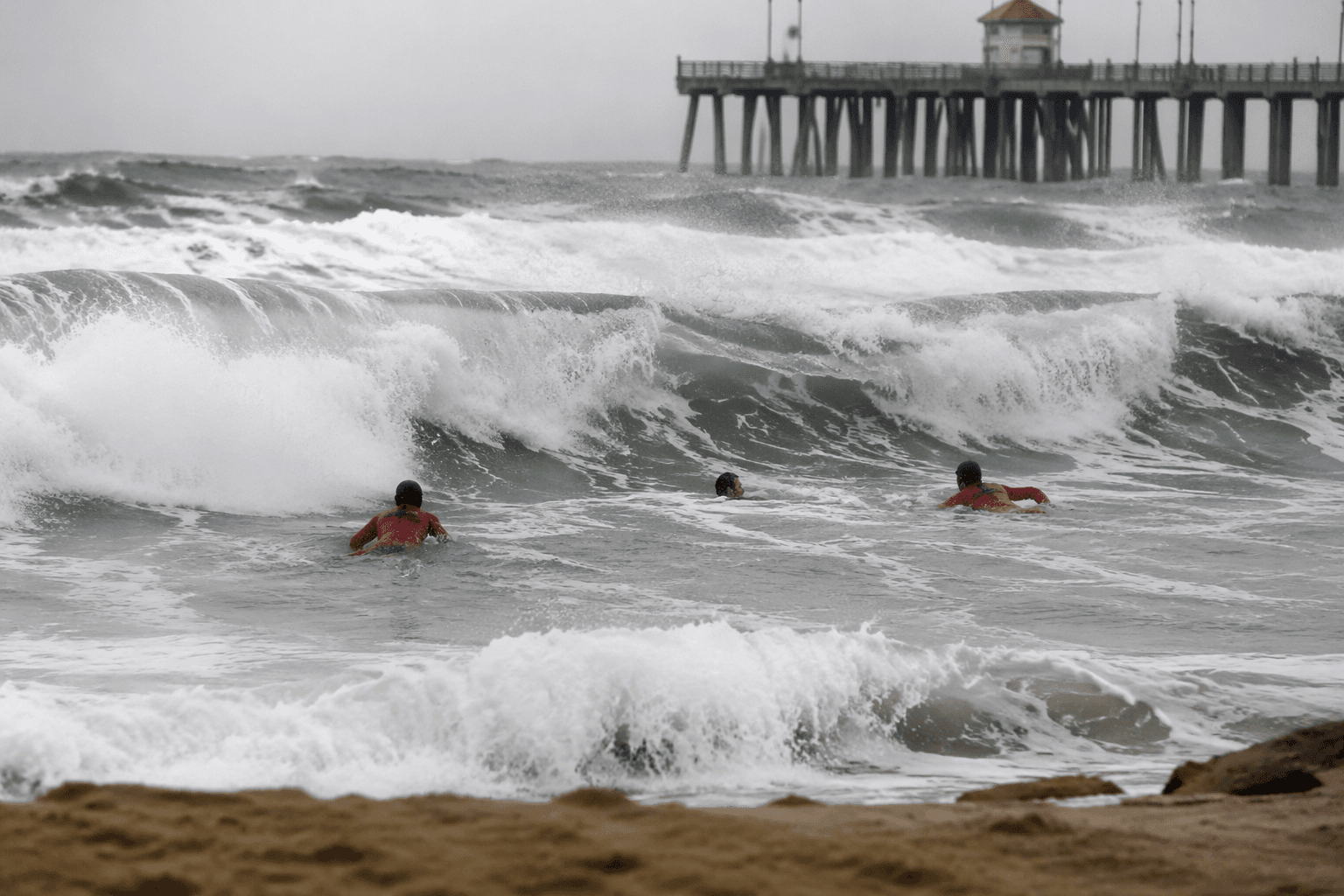
Two lifeguards held their ground in ferocious surf long enough to keep a young swimmer from being pulled farther out to sea as rip currents churned parts of the California coast over the weekend. The rescue showed how fast a beach outing can turn dangerous when a current overtakes a swimmer before anyone on shore fully registers the risk. Along Southern California beaches, officials have warned that the water can turn lethal in seconds.
California State Parks warns that not all beaches along the state’s coastline are recommended for swimming or wading. Large surf, cold water temperatures, backwash, sudden drop-offs, pounding shorebreak and rip currents can all create deadly conditions, especially for weak or non-swimmers. Newport Beach’s ocean safety guidance calls rip currents the leading surf hazard for beachgoers and says they can move at 1 to 2 feet per second, fast enough to overpower someone who tries to fight straight back to shore.
The danger is not limited to one stretch of coast. At Torrey Pines State Beach in San Diego County, lifeguards recently rescued a swimmer caught in a dangerous rip current. In Orange County, rescue teams searched for a young girl who was swept away by a powerful rip current while walking along a beach. Those incidents, spread across different counties, reflect the same problem: California’s surf can look manageable from the sand even when the water is pulling hard beneath the surface.
Beach warning systems are meant to narrow that gap between what looks calm and what is actually dangerous. Posted signs and warning flags are used to alert swimmers before they enter the water, and California State Parks directs beachgoers to pay close attention to them. Coronado’s beach safety system, based on the United States Lifesaving Association and the International Lifesaving Federation, uses a flag warning system to notify visitors of potential water hazards.
The survival advice from federal and local safety agencies is consistent. Stay calm, do not fight the current, float if needed and swim parallel to shore until you are out of the rip’s pull, then head back toward land or wave for help. NOAA and the National Weather Service also urge beachgoers to check conditions before entering the water, because rip currents can form quickly and trap swimmers who never meant to go far from shore.
The weekend rescues in California showed the value of lifeguards who can read surf lines and react in seconds. They also showed how much still depends on clear warnings, posted flags and the public knowing that in a rip current, panic is often the most dangerous response.
This article was produced by Prism’s automated news system from verified source data, official records, and press releases, then run through automated quality and moderation checks before publishing. The system is built and supervised by the people who set the standards it runs under. Read our full AI policy.
Did this article answer your question?