Santa Barbara Zoo loses second endangered red panda cub
Santa Barbara Zoo said its second red panda cub died over the weekend after round-the-clock care, deepening the loss from a rare twin birth that had not happened there since 1993.
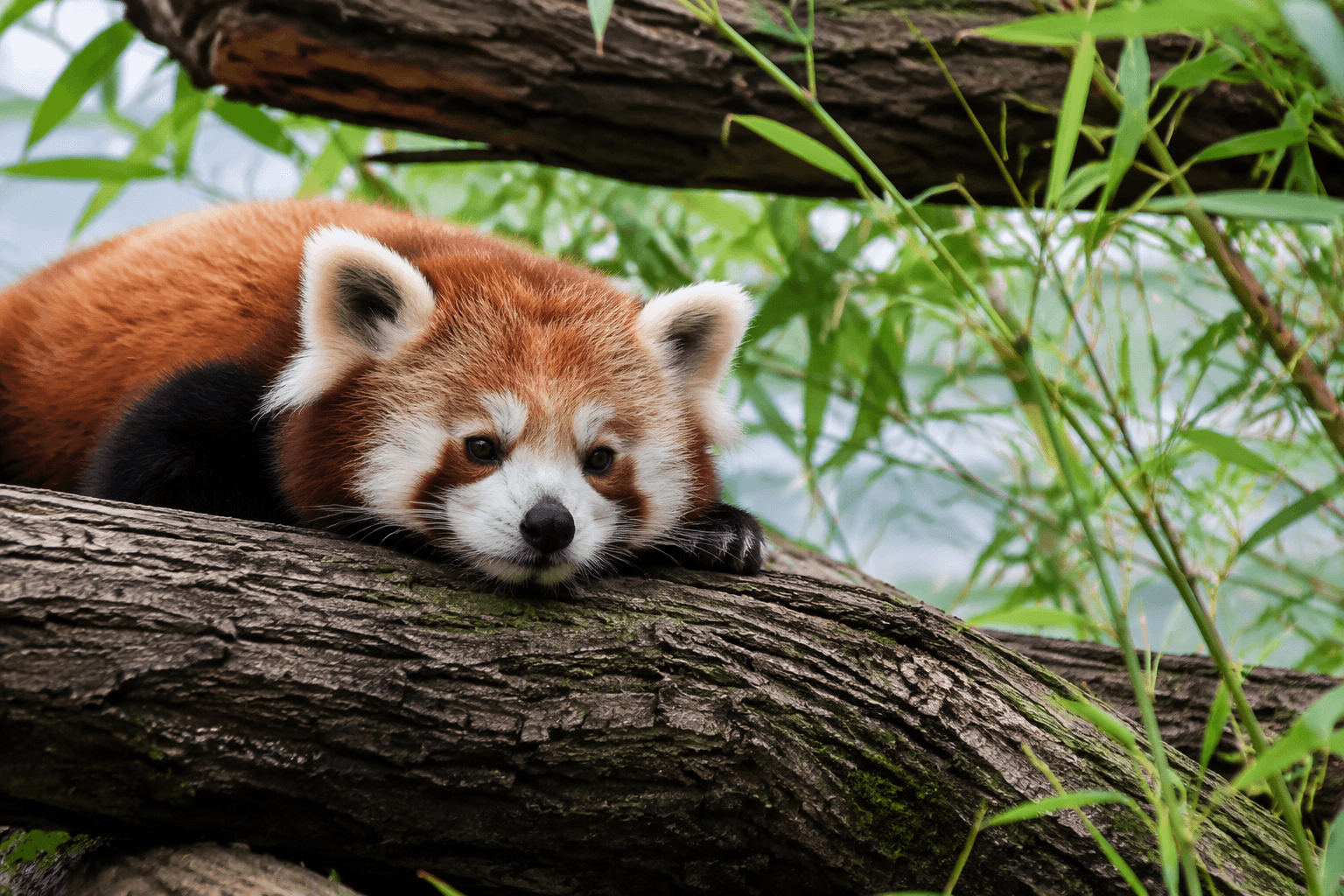
Santa Barbara Zoo said Monday that its second red panda cub died over the weekend despite intensive care, turning a rare breeding success into a reminder of how fragile early survival can be for endangered animals. The cub was born to Ruby on July 2 and was removed from her care on July 19 after keepers determined it was not nursing sufficiently.
Once separated from its mother, the cub was placed in a temperature-controlled incubator and received tube and bottle feedings, antibiotics and continuous veterinary monitoring. Even with that around-the-clock treatment, the zoo said the cub died. The cause of death remains under investigation, and a necropsy is expected.
The zoo worked closely with experts from the Association of Zoos and Aquariums’ Red Panda Species Survival Plan, a coordinated effort built to support breeding and genetic diversity in managed care. That oversight underscores the stakes behind each birth and loss: red pandas are classified as endangered, with fewer than 10,000 estimated to remain in the wild.
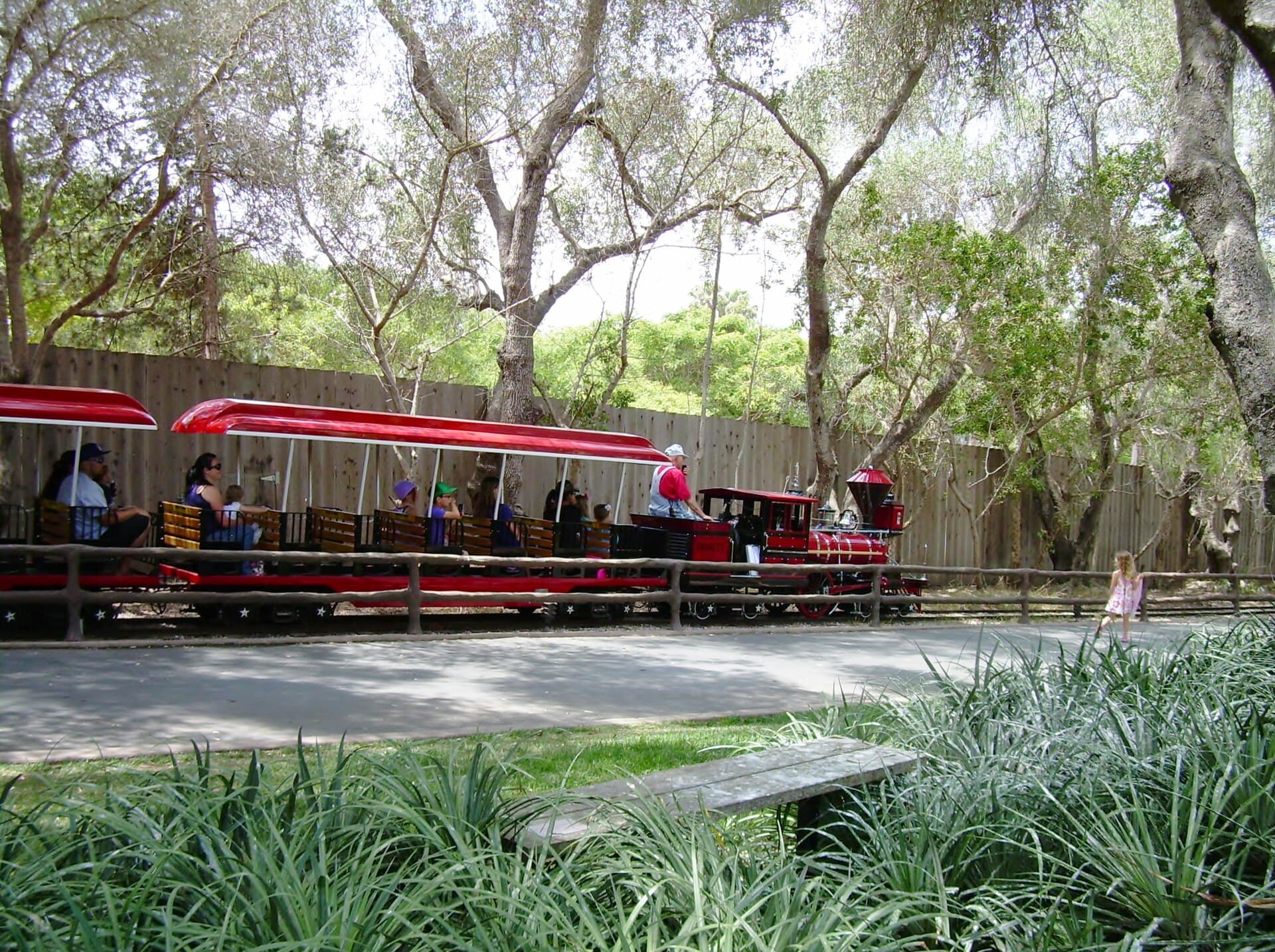
The July births carried added weight because Ruby and Raj’s twins were the first red pandas born at the Santa Barbara Zoo since 1993. For the zoo, the pair marked a long-awaited milestone in a species that breeds seasonally and does not offer frequent chances for repeat litters. Because of that cycle, the zoo said it would not expect another breeding opportunity until next year.
Ruby has since been reunited with Raj in their habitat, and the animal care team will continue to monitor them closely. The death of one cub does not erase the broader conservation work behind the birth, but it does show how much depends on the first days and weeks of life for a species already fighting for survival in the wild.
This article was produced by Prism’s automated news system from verified source data, official records, and press releases, then run through automated quality and moderation checks before publishing. The system is built and supervised by the people who set the standards it runs under. Read our full AI policy.
Did this article answer your question?