ICE slashed training as Trump pushed to rapidly expand arrests
ICE cut about 240 hours from its basic training as arrests accelerated, stripping out firearms time, legal instruction, and field scenarios.

ICE removed about 240 hours from its basic training program, more than 40 percent of instructional time, just as the Trump administration pressed the agency to put more officers on the street. The cuts, which took hold mostly in August 2025, eliminated more than 100 hours of scenarios and nearly all firearms time, while also trimming instruction on case processing, deportation-law basics, driving tests and practical-skills evaluations.
By Jan. 1, more than 900 ICE officers had completed the shortened course, more than triple the number of graduates in the prior 12 months. That surge came as the agency pushed toward a goal of 10,000 new agents by the end of 2026, backed by a huge funding increase that critics say has rewarded speed over readiness.
The training rollback matters because ICE officers are not just making arrests, they are deciding when force is used, who may be detained, and whether civil-rights protections are respected in fast-moving encounters with migrants and detainees. Democrats, former ICE officials and other critics warned that recruits were being sent into the field without enough preparation on firearms, the Constitution, use of force, lawful arrests, detention limits and First Amendment issues. One former acting ICE director said the hiring surge was producing compromises in standards.
There were also signs that the rush was straining screening and vetting. Some recruits were sent to training before vetting was complete, and more than 200 were dismissed during training for failing physical or academic standards, with fewer than 10 removed for criminal charges, failed drug tests or safety concerns. DHS later said no training requirements had been removed, and described the academy as 56 days of instruction plus an average of 28 days of on-the-job training.
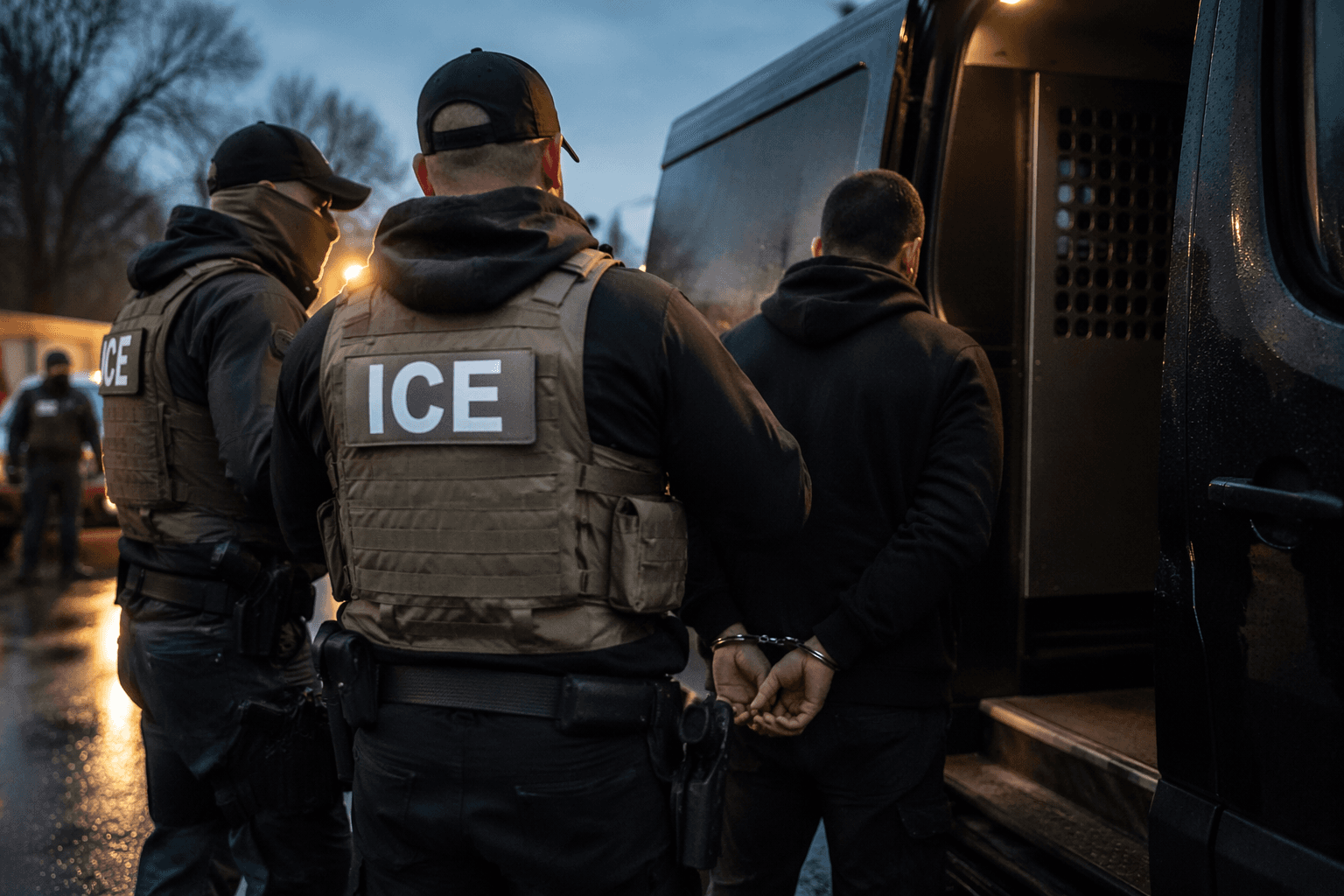
On June 3, during a House Committee on Homeland Security hearing on DHS’s fiscal 2027 budget request, Markwayne Mullin said ICE training would return to its prior level starting July 1. He said officers would again complete more than 500 hours of training, restoring the “regular standards” that had existed before the cuts.
The reversal, coming after months of public dispute, leaves a blunt question hanging over the agency’s expansion: was this a real safety reform, or a quiet admission that the enforcement push had driven professional standards down to keep up with arrests? With nearly $75 billion added for ICE under the One Big Beautiful Bill Act, the stakes now reach far beyond the academy floor.
This article was produced by Prism’s automated news system from verified source data, official records, and press releases, then run through automated quality and moderation checks before publishing. The system is built and supervised by the people who set the standards it runs under. Read our full AI policy.
Know something we missed? Have a correction or additional information?
Submit a Tip

