White House plan to overhaul science grants sparks politicization fears
Political appointees could gain final say over billions in science grants, raising fears that peer review and agency independence will erode.

Political appointees could gain final say over billions of dollars in federal science grants under a White House rule that critics say would weaken peer review and expose research funding to political pressure. The proposed overhaul, published in the Federal Register on May 29 and open for comment until July 13, would apply government-wide and list agencies including the National Institutes of Health, National Science Foundation, National Aeronautics and Space Administration, Department of Energy and Department of Defense.
The draft would require agency senior appointees to review discretionary awards before they are issued, shifting authority away from career scientists and grant managers. Reports on the proposal say peer review would be deemphasized and political appointees would get wider latitude to terminate grants, with awards judged in part on whether they demonstrably advance the president’s policy priorities. The White House says the changes would improve transparency, accountability and oversight, and would let it curtail grants that conflict with Trump executive orders and policies.
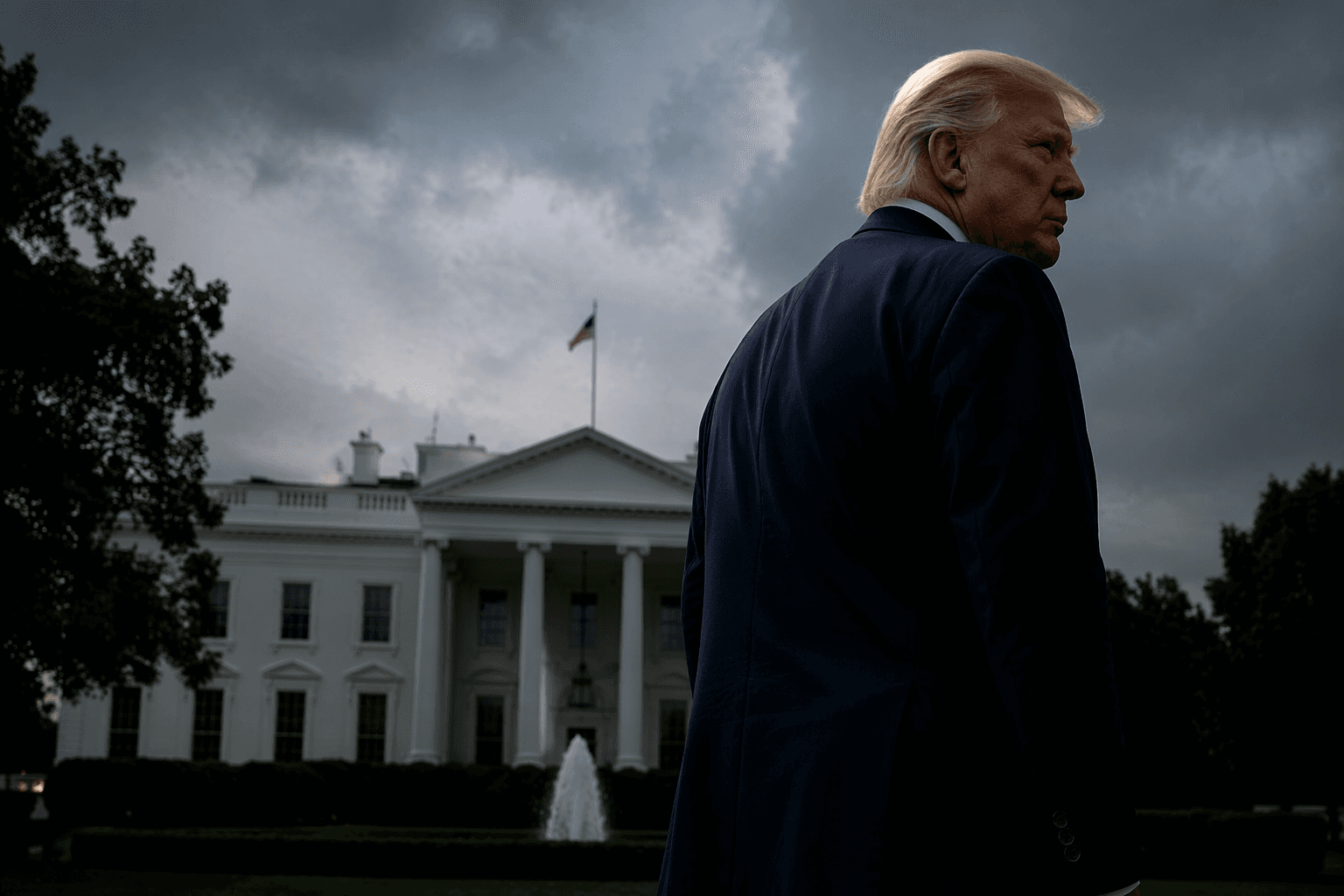
For universities, that could mean less predictable support for labs that depend on federal grants to pay graduate students, postdoctoral researchers and core equipment costs. For drug development, climate science and defense innovation, the stakes are immediate: long-running studies, model-building projects and early-stage technology work often rely on multiyear funding and stable review standards. A system that allows cancellation for policy reasons could slow cancer research, climate modeling, computing work and military-adjacent engineering before the science reaches a usable stage.
The proposal also appears to reach into spending rules. It would limit some uses of grant money, including publishing fees and conference travel, and could restrict funding tied to diversity, equity and inclusion research. The draft reportedly also ends the administration’s earlier effort to cap indirect cost rates, another sign that the White House is trying to rewrite the mechanics of how federal science is financed and monitored.
The concern in the research community is not only that more projects could be redirected, but that the criteria for survival could change. If funding decisions hinge on political alignment instead of scientific merit, universities may pull back on ambitious proposals, agencies may lose independence, and scientists may spend more time navigating ideology than experiments. That fear comes against a backdrop of deep disruption already felt across the federal research system, including more than 7,800 grants terminated or frozen and roughly 25,000 scientists and personnel leaving agencies overseeing research earlier this year.
The comment period now opens a high-stakes fight over whether the overhaul is a technical rule change or a fundamental shift in how the United States decides which science gets funded.
This article was produced by Prism’s automated news system from verified source data, official records, and press releases, then run through automated quality and moderation checks before publishing. The system is built and supervised by the people who set the standards it runs under. Read our full AI policy.
Know something we missed? Have a correction or additional information?
Submit a Tip

