ICJ opens landmark Rohingya genocide merits hearings in The Hague
Public merits hearings begin at the ICJ in The Hague, testing Myanmar's liability under the Genocide Convention and probing alleged crimes against the Rohingya.
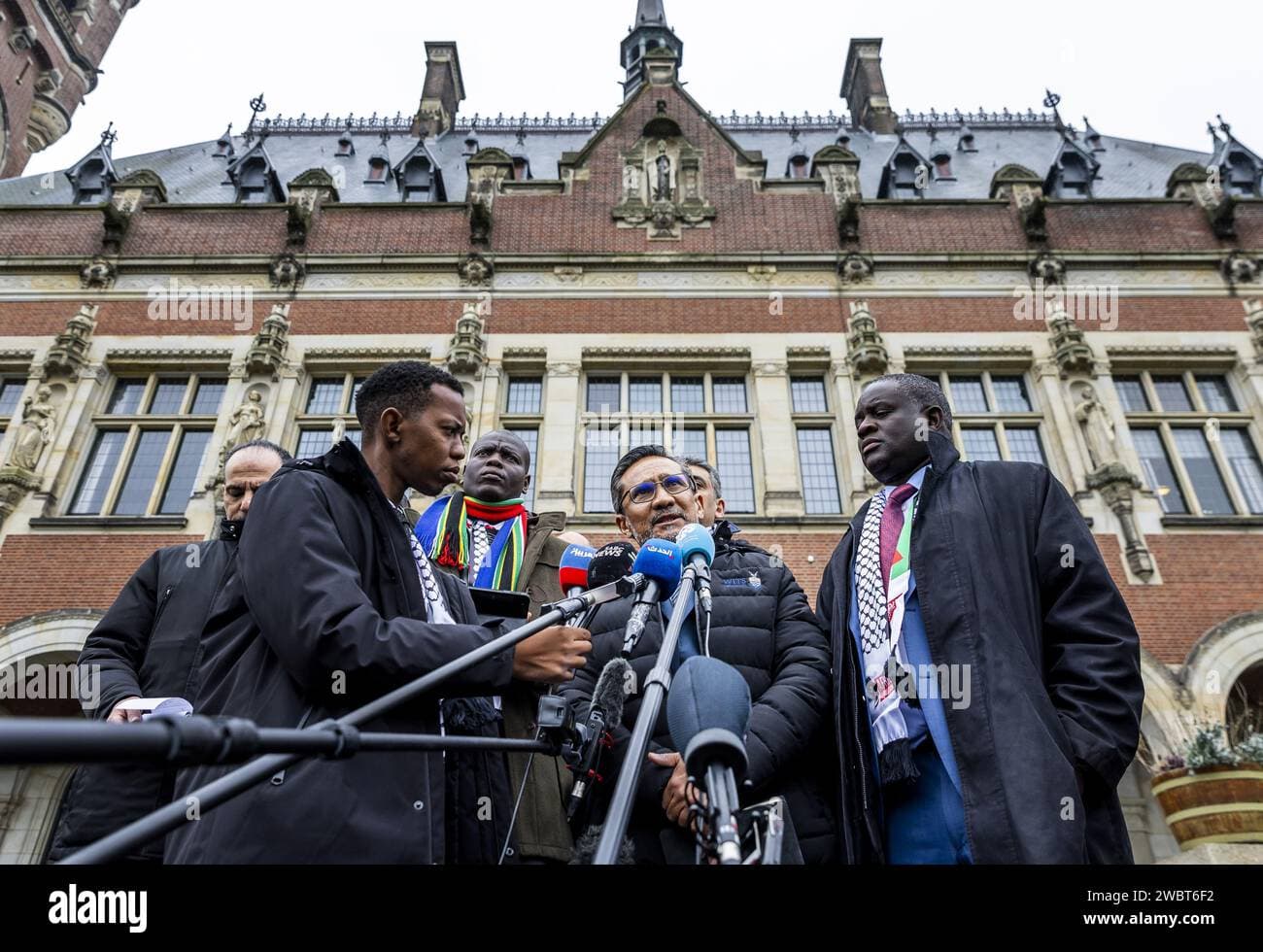
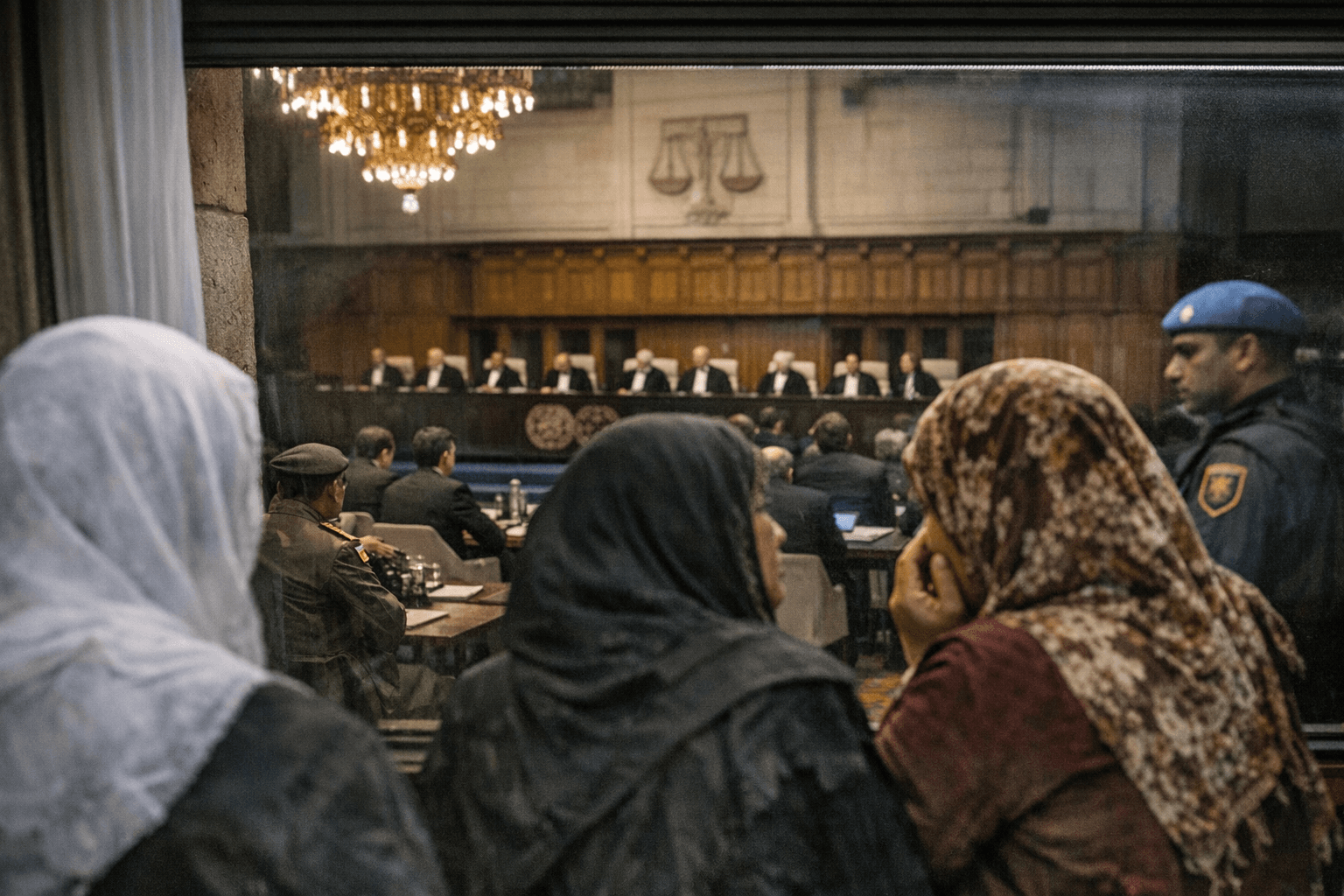
The International Court of Justice opened public merits hearings in The Gambia’s genocide case against Myanmar on January 12, 2026, a pivotal step in a decade-long legal fight over alleged atrocities against the Rohingya minority. The three-week docket, running through January 29, will hear witness testimony and expert evidence in what legal observers describe as the ICJ’s first full merits hearing in a genocide case in more than ten years.
The Gambia filed the application in November 2019, invoking the 1948 Genocide Convention and pressing claims that Myanmar’s military and security forces committed killings, mass murder, rape and other sexual and gender-based violence, deportation and persecution, denial of citizenship, and actions that inflicted conditions of life calculated to bring about the Rohingya’s destruction in whole or in part. The application was brought on behalf of 57 members of the Organisation of Islamic Cooperation, framing the case as the exercise of rights held by states party to the convention rather than a bilateral dispute.
The hearings follow several high-stakes rulings. On January 23, 2020, the ICJ issued provisional measures finding Rohingya remained “extremely vulnerable” and that there was a “real and serious risk of irreparable prejudice” to rights under the Genocide Convention, ordering Myanmar to prevent genocidal acts, preserve evidence and report periodically to the Court. The Court later confirmed by a 15-1 vote on July 22, 2022 that it has jurisdiction under the Convention to adjudicate The Gambia’s application.
The merits phase will test the legal thresholds of the Genocide Convention, including intent to destroy a protected group in whole or in part. International legal scholars have highlighted the novelty of a non-injured state bringing a comprehensive merits claim under the convention, an exercise of erga omnes partes obligations that could clarify the Convention’s remedial reach and state responsibility in mass atrocity contexts.
The proceedings are occurring alongside related international action. The International Criminal Court opened an investigation in 2019 into alleged grave crimes against the Rohingya, and in November 2024 the ICC prosecutor requested an arrest warrant for Min Aung Hlaing, the commander-in-chief of Myanmar’s military, alleging responsibility for crimes including deportation and persecution. Those parallel tracks create overlapping but distinct forums for accountability, with the ICJ focused on state responsibility and the ICC on individual criminal liability.
Advocacy groups and Rohingya organizations have urged the Court to deliver a clear finding of genocide and comprehensive relief. Fortify Rights welcomed the hearings as a critical opportunity for international justice and said its chief executive, Matthew Smith, will attend the trial in person as part of The Gambia’s official delegation. Human Rights Watch and allied groups said the merits phase offers essential scrutiny of the full range of atrocities. Wai Wai Nu of the Women’s Peace Network said the start of the merits phase “delivers renewed hope” to Rohingya amid ongoing violations.
Beyond legal outcomes, the case carries geopolitical and economic implications. A definitive ICJ finding of genocide could intensify Myanmar’s diplomatic isolation, influence sanctions and investor decisions, and increase pressure on states to enforce measures addressing evidence preservation and the protection of vulnerable populations. For global policymakers, the hearings will test whether long-standing treaty mechanisms can be mobilized to prevent and remedy mass atrocities in an era of fractured multilateral capacity.
This article was produced by Prism’s automated news system from verified source data, official records, and press releases, then run through automated quality and moderation checks before publishing. The system is built and supervised by the people who set the standards it runs under. Read our full AI policy.
Did this article answer your question?


