IMF cuts euro zone growth forecast, warns of higher inflation risks
The IMF cut euro area growth to 0.9% and raised inflation to 2.8%, warning that Middle East tensions could keep energy prices high and force more ECB tightening.
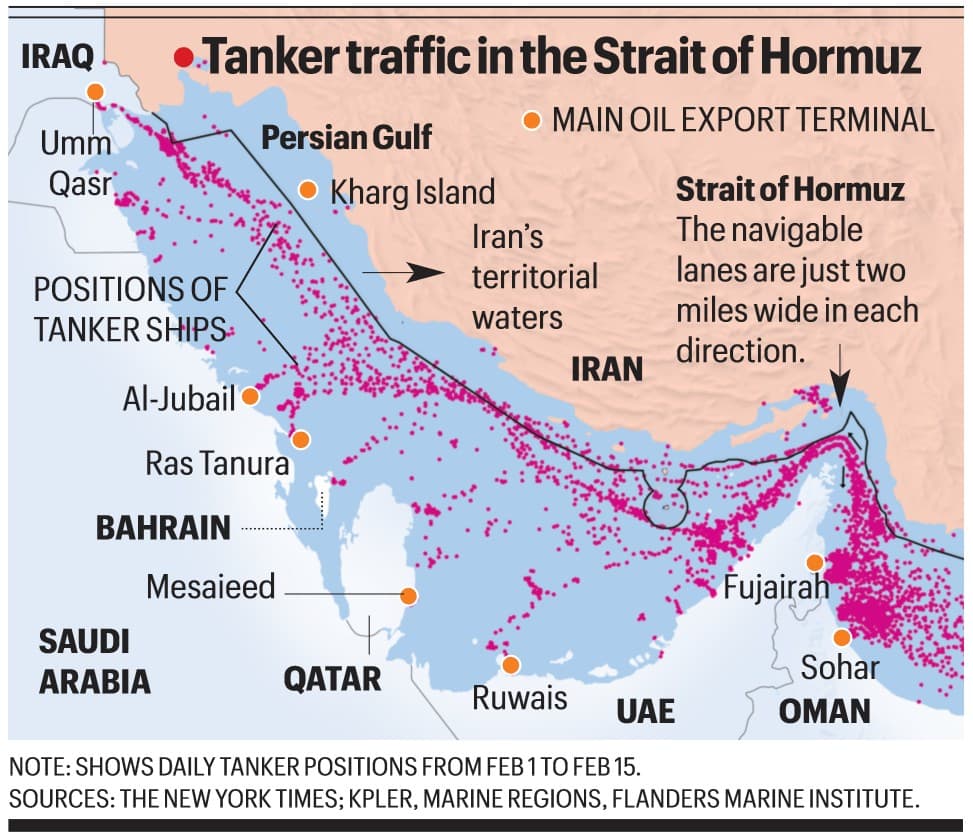
Europe’s energy shock is back on the policy front line. The International Monetary Fund cut its 2026 euro area growth forecast to 0.9% from 1.1% and raised its inflation outlook to 2.8% from 2.6%, warning that the war in the Middle East could keep fuel costs elevated and deepen pressure on households and factories. The warning landed as euro-zone finance ministers weighed how a new geopolitical shock is moving through prices, confidence and monetary policy.
The fund described the conflict as a large but temporary adverse supply shock, but said the risk rises sharply if energy prices stay elevated for longer. In that case, inflation expectations could drift higher even as weaker confidence and financial stress hit demand. The IMF’s June 11 mission statement also pointed to long-running drag on the region, including population aging and persistently subdued productivity growth, leaving Europe with less room to absorb another energy-driven hit.
The European Central Bank complicated the picture on June 11 by raising its deposit facility rate to 2.25% from 2.0%, its first increase since September 2023. The ECB also lifted its 2026 inflation projection to 3.0% from 2.6% and increased its 2027 outlook to 2.3% from 2.0%. IMF officials said the central bank was likely to tighten again by a cumulative 50 basis points in 2026, with a third increase still possible. ECB staff had already warned in March that a stronger and more persistent energy-price shock could damage growth and lift inflation through confidence and second-round effects.
That combination leaves governments trying to shield consumers without undoing the incentive to save energy. The IMF told ministers that blanket subsidies were not warranted and that support should be temporary and targeted at vulnerable households. It also warned that many euro-zone governments had already introduced modest support measures, which may have blunted conservation incentives. The most exposed members are the high-debt economies that have the least fiscal space to repeat broad aid and would face the sharpest tradeoff if energy prices rise again. The IMF said those countries should tighten fiscal policy rather than relax it further.

The broader policy message is clear: the Middle East conflict is no longer only an oil-market story. It is feeding into euro area growth forecasts, forcing the ECB to balance inflation risks against slowing activity, and pushing Brussels and national capitals to confront how much protection they can afford if the energy shock persists.
This article was produced by Prism’s automated news system from verified source data, official records, and press releases, then run through automated quality and moderation checks before publishing. The system is built and supervised by the people who set the standards it runs under. Read our full AI policy.
Know something we missed? Have a correction or additional information?
Submit a Tip