IMF predicts 4.8% Israeli growth in 2026 but flags clear risks
IMF projects Israel’s economy to rebound to 4.8% in 2026, conditional on the ceasefire holding, while warning of regional and fiscal vulnerabilities.
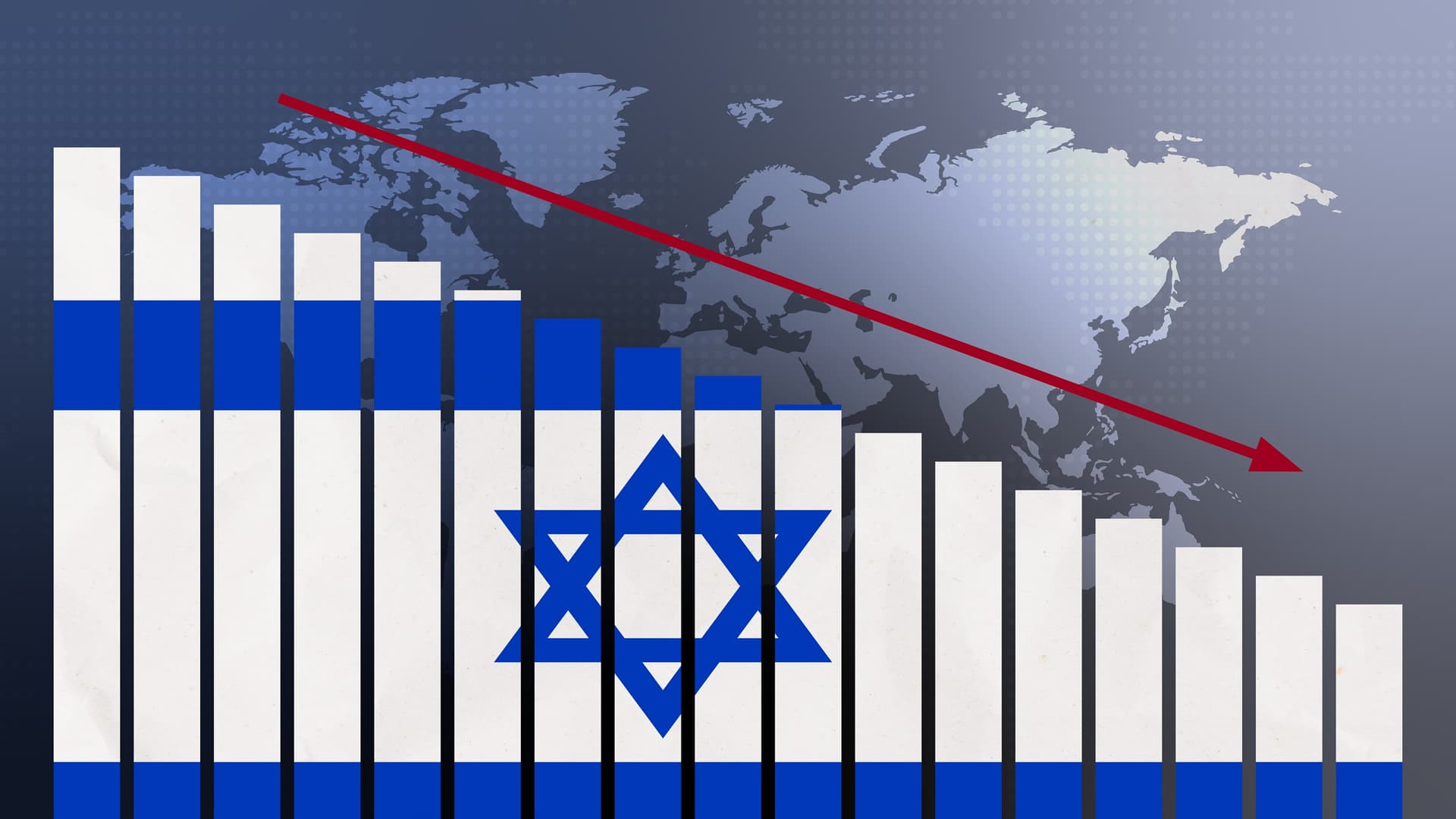
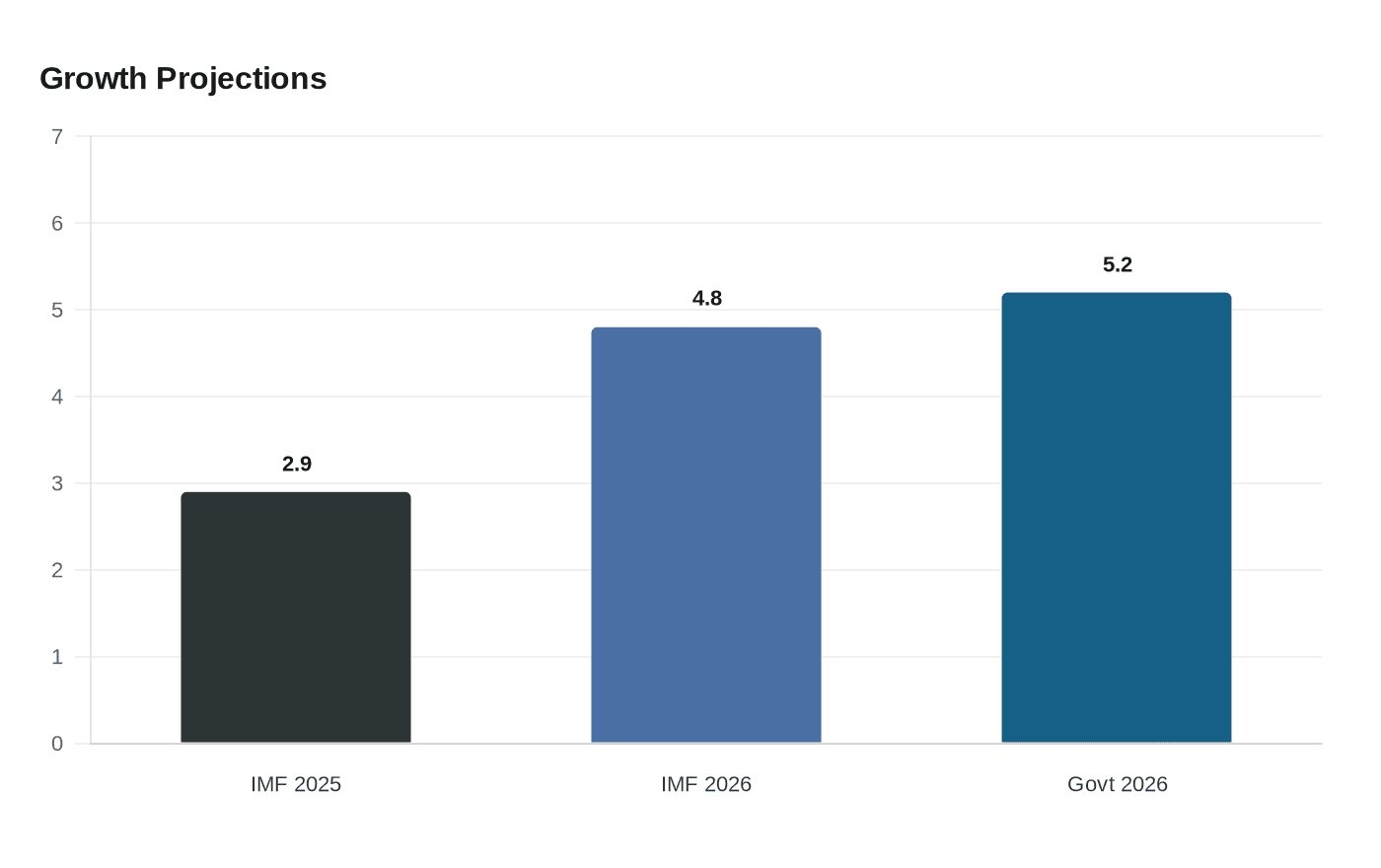
The International Monetary Fund said Israel’s economy is likely to rebound sharply next year, projecting growth of about 4.8% in 2026 after an estimated 2.9% expansion in 2025, but it cautioned that gains hinge on the ceasefire holding and on avoiding renewed major hostilities.
The IMF attributed the prospective upswing to “pent-up private consumption and a rebound in investment, while government consumption declines,” the fund said, as quoted by Reuters. That combination, the IMF argued, has helped economic activity recover since fighting eased. Marketscreener’s republishing of the IMF assessment added that inflation is expected to dip below 2% in 2026, reflecting the fund’s view that supply constraints and inflationary pressures have eased.
Still, the IMF stressed that the outlook is fragile. “There are downside risks (to growth), including from potential renewed regional tensions,” the IMF said, as quoted by Reuters. The fund advised monetary policy should lean toward normalization, noting that “with inflationary pressures and supply constraints easing, gradually lowering the policy rate toward neutral is appropriate,” but added that “the Bank of Israel should remain ready to adjust course should inflation surprise on the upside,” again as quoted by Reuters.
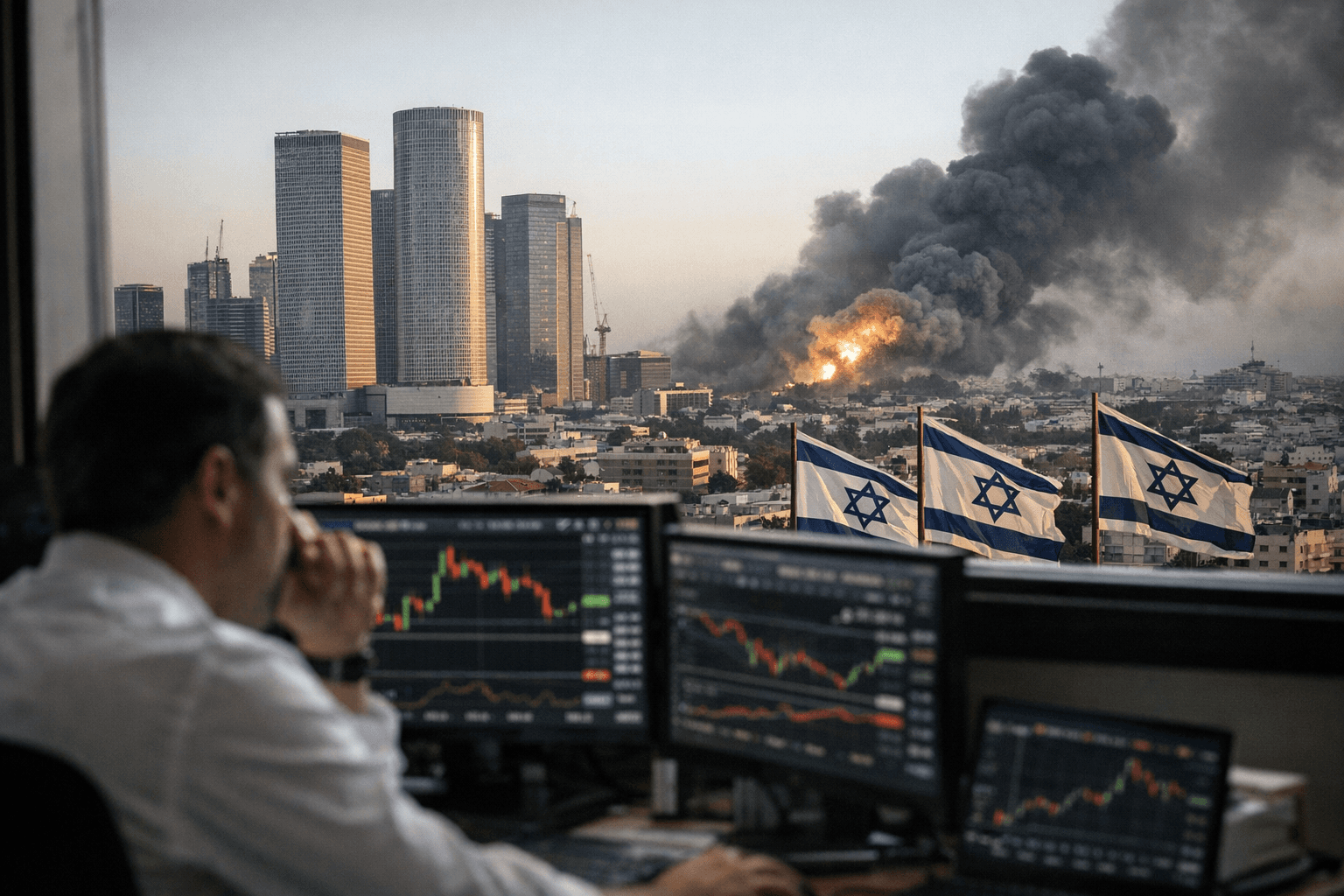
Israeli officials project a stronger rebound. En Globes and The Times of Israel noted that both the Bank of Israel and the Ministry of Finance forecast 5.2% growth for 2026, a point the IMF’s lower projection highlights as a more cautious external assessment of postwar momentum.
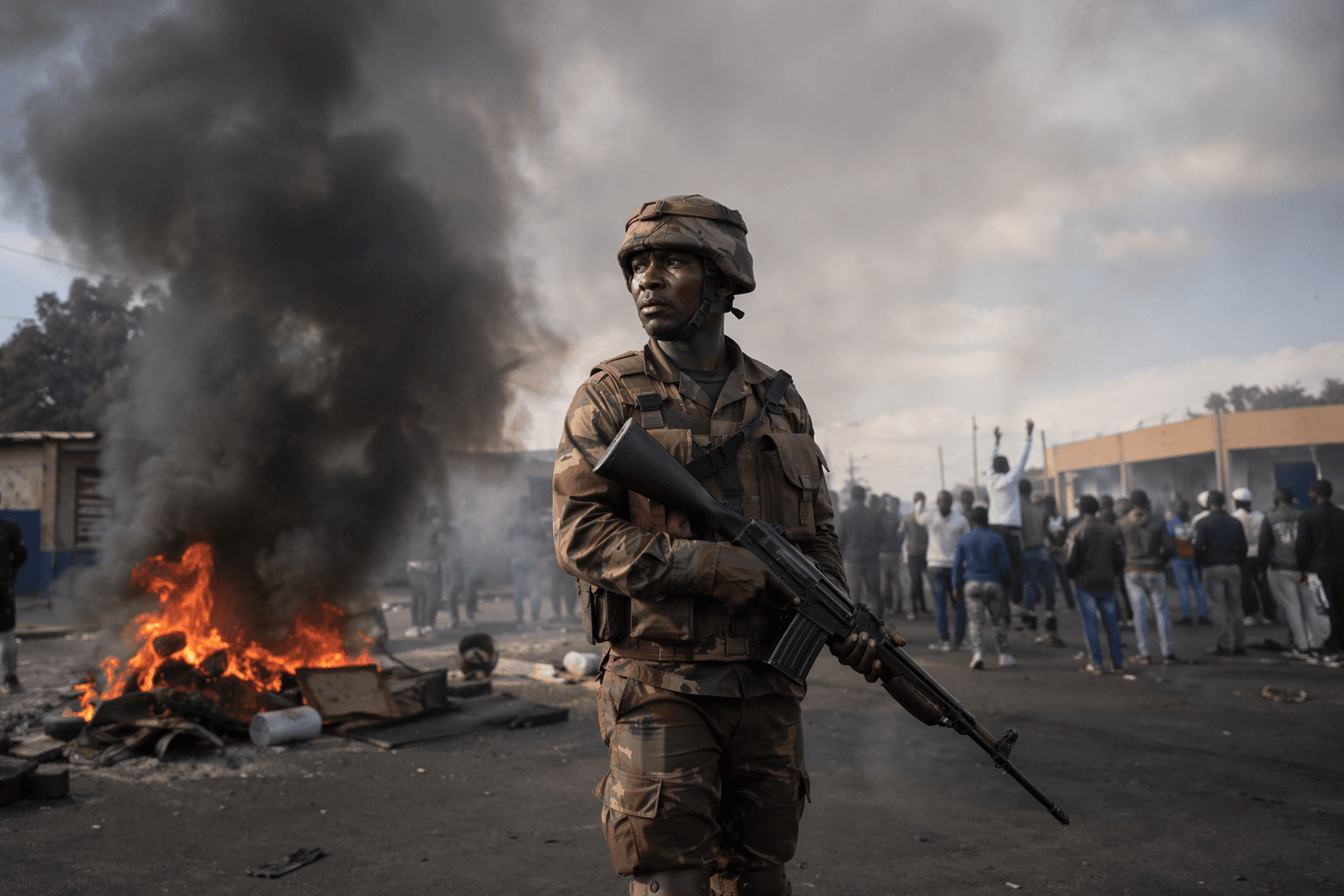
The economic context is stark. The truce implemented in October brought a halt to much of the fighting after nearly two years of war that began with the October 7, 2023, Hamas attack, and the Times of Israel reported the conflict cost the economy around NIS 250 billion ($80 billion). Despite the pause in large-scale operations, Reuters noted the ceasefire has remained fragile and that both sides have accused the other of violations.
The Times of Israel further warned that renewed regional hostilities could quickly reverse gains by crowding out civilian spending, raising defense outlays, lifting risk premia and draining labor through mobilization of IDF reserves. It also flagged growing regional tensions linked to Iran, citing the Iranian regime’s crackdown on protests and indications of possible U.S. military moves, with Tehran warning it would retaliate against Israel and U.S. bases should strikes occur.
On fiscal policy, the IMF urged additional consolidation to bring down a debt burden that “jumped during the war,” while emphasizing the need to safeguard adequate civilian spending. That warning comes as parliament gave initial approval to the 2026 state budget draft last week, but Reuters reported it was unclear whether the measure will receive final sign-off by the March 31 deadline; failure to pass the budget by then would trigger new elections.
For markets and policymakers, the IMF’s message is twofold: the macro rebound is plausible if peace holds, but political fragmentation, fiscal tightening and geopolitical shocks could quickly undermine growth and force monetary policy to shift. Investors and officials will be watching budget negotiations, defense spending trajectories and detailed IMF tables for inflation, debt-to-GDP and fiscal-balance paths to gauge whether the recovery can be made durable.
This article was produced by Prism’s automated news system from verified source data, official records, and press releases, then run through automated quality and moderation checks before publishing. The system is built and supervised by the people who set the standards it runs under. Read our full AI policy.
Did this article answer your question?